Blood Management
The principles of PBM, a structured outline of iron deficiency anaemia management, and a side‑by‑side comparison of parenteral iron formulations — including components, dosage calculation, expected effects, adverse reactions, and availability in Malaysia.
Iron Therapy
The commonest reversible cause of anaemia worldwide. These sections cover confirming the diagnosis, treating the cause, oral and intravenous iron, the anaphylaxis protocol, dosing and monitoring.
05 Iron Deficiency Anaemia — Diagnosis
Confirm the diagnosis, quantify the deficit, and identify the cause before treating.
Step 1 — Confirm microcytic hypochromic anaemia
A full blood count will typically show reduced haemoglobin, reduced mean corpuscular volume (microcytosis), reduced mean corpuscular haemoglobin and often raised red cell distribution width. The first step in every case is to exclude a non‑iron cause of a microcytic anaemia — because iron therapy will not help, and in haemoglobinopathy trait it can cause harm by overloading iron stores.
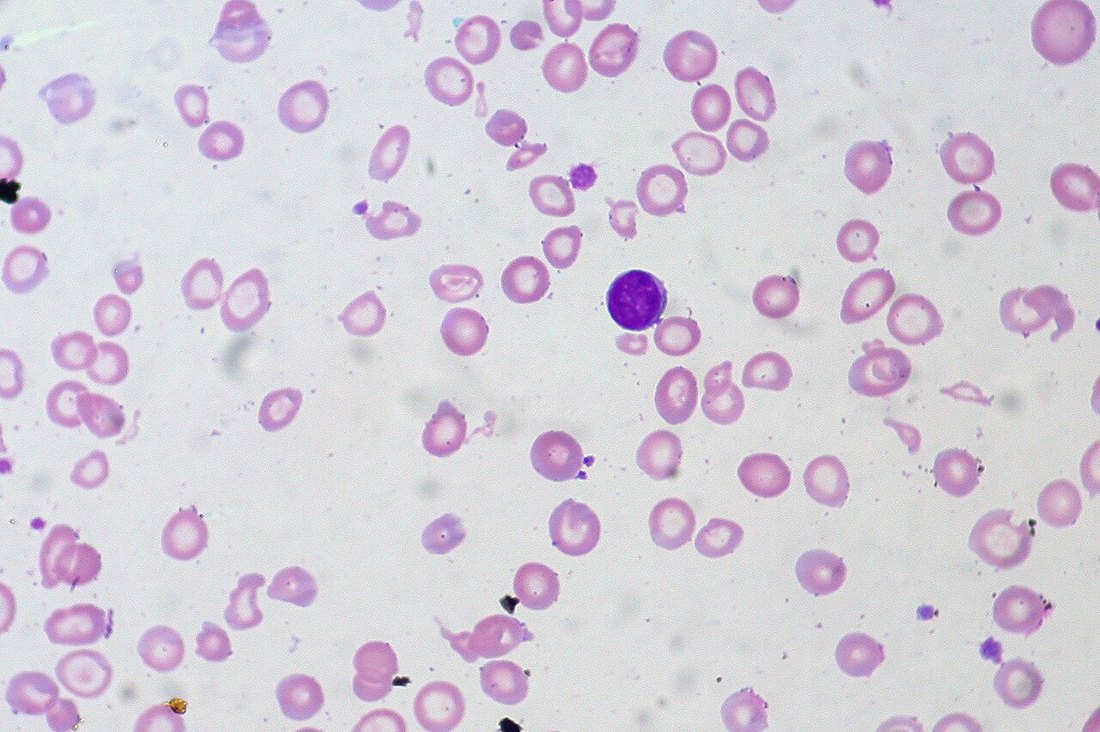
Step 2 — Iron studies and the interpretation trap
| Parameter | Iron deficiency | Iron deficiency with inflammation | Anaemia of chronic disease |
|---|---|---|---|
| Serum ferritin (µg/L) | < 15 (adults, no inflammation) | < 50–100, but interpret with CRP | Normal or raised (> 100) |
| Serum iron (µmol/L) | Low | Low | Low |
| TIBC / transferrin (µmol/L) | Raised | Normal or low | Low or normal |
| Transferrin saturation (%) | < 20 | < 20 | < 20 (may be normal in early disease) |
| Reticulocyte count | Low (hypoproliferative) | Low | Low |
| CRP | Normal | Raised | Raised |
| Soluble transferrin receptor (sTfR) | Raised (unaffected by inflammation) | Raised | Normal — useful to separate IDA from ACD |
Differential diagnosis of a microcytic anaemia — must be excluded
- Iron deficiency anaemia — the commonest cause worldwide.
- Anaemia of chronic disease / inflammation — iron is sequestered; iron therapy helps only if genuinely iron‑deficient (TSAT < 20%).
- Thalassaemia trait / α or β thalassaemia — strongly relevant in Malaysia and across Southeast Asia; usually microcytic with a normal or raised red cell count. Check haemoglobin electrophoresis/HPLC, or use the Mentzer index (MCV ÷ RBC count) — < 13 suggests thalassaemia trait, > 13 suggests iron deficiency. Never transfuse or iron‑load a trait carrier.
- Haemoglobinopathies and combined defects (Hb E, Hb Constant Spring, sickle trait).
- Sideroblastic anaemia — high ferritin with ring sideroblasts; copper, alcohol, lead, B6, linezolid, alcohol excess.
- Lead or copper deficiency, chronic cadmium exposure.
- Bone marrow failure / infiltration (reticulocytopenic, normal ferritin).
Step 3 — Identify and treat the cause
Do not treat the haemoglobin and forget the aetiology. A structured search is essential because recurrence signals a missed cause.
- Gastrointestinal blood loss — in adults, this is assumed until excluded: peptic ulcer, malignancy, angiodysplasia, NSAIDs/antiplatelets/anticoagulants, coeliac disease, colorectal carcinoma, small bowel lesions. Use bidirectional endoscopy ± coeliac serology ± faecal immunochemical test, and further small‑bowel imaging or capsule endoscopy as indicated.
- Menstrual blood loss — quantify, and consider gynaecological referral for menorrhagia, fibroids, endometriosis, intrauterine device use.
- Urinary loss — haematuria, nephrolithiasis, malignancy, PNH (haemoglobinuria), haemoglobinuria in prosthetic valve haemolysis, march haemoglobinuria.
- Malabsorption — coeliac disease, Crohn disease, bariatric surgery, chronic proton pump inhibitor or omeprazole use, chronic pancreatitis, H. pylori infection.
- Dietary insufficiency — restrictive diets, vegetarian/vegan, low‑iron diets, tea/coffee/calcium taken with iron‑rich meals.
- Blood donation — regular whole‑blood or apheresis donors lose ~200–250 mg iron per unit and are commonly iron‑deficient.
- Chronic inflammatory disease — rheumatoid arthritis, IBD, chronic infection including tuberculosis, HIV, malaria, chronic kidney disease, heart failure, malignancy, COVID‑19.
- Multiple myeloma — a common and easily missed cause of severe iron‑resistant anaemia in older adults; send protein electrophoresis and free light chains.
- Hookworm and other parasites — relevant in endemic settings.
- Pregnancy — physiological haemodilution plus fetal and placental iron demand; requires antenatal screening, oral iron supplementation, and IV iron in the second and third trimesters for severe or unresponsive cases.
- Neonates and children — prematurity, rapid growth, inadequate intake; note that iron deficiency impairs neurodevelopment, so treatment is time‑critical.
06 Outline of Treatment of Iron Deficiency Anaemia
A stepwise clinical algorithm. Each step has a clear exit criterion.
-
Confirm iron deficiency and define the target
Establish a genuine iron deficiency biochemically, quantify severity, set a haemoglobin target appropriate to age, sex, pregnancy status and comorbidity, and define the timeframe.
- Typical adult target: Hb ≥ 12 g/dL in women and ≥ 13 g/dL in men; 11–12 g/dL in pregnancy; higher targets in heart failure or ongoing heavy loss.
- Decide the rate required: this single decision drives oral versus IV iron.
-
Correct the cause simultaneously — this is mandatory
- Perform the appropriate GI, gynaecological, urinary, malabsorption and marrow workup before or alongside treatment.
- Stop offending drugs where safe (NSAIDs, unnecessary PPI), stop/reduce alcohol, treat H. pylori, address heavy menstrual loss, optimise diet.
- Without this step, iron deficiency recurs and repeated courses of iron fail.
-
Start oral iron if the patient can take it and time allows
Oral iron remains first‑line for uncomplicated iron deficiency anaemia where there are no contraindications and the target haemoglobin is not urgent. It is cheap, effective and safe.
- Optimise the salt, dose and schedule (see section 07) before declaring failure.
- Oral iron should be continued for 3 months after haemoglobin normalises to replenish stores.
-
Switch to, or add, intravenous iron when oral iron cannot deliver
Indications, contraindication checking, preparation, administration and monitoring are detailed in section 08 and the comparison table in section 10.
- Use a single high‑dose preparation where possible (ferric carboxymaltose, ferric derisomaltose, iron isomaltoside) — fewer clinic visits, better patient experience, comparable efficacy.
- Multiple‑dose low‑molecular‑weight preparations (iron sucrose, ferrous gluconate) are appropriate in settings where high‑dose single infusions are unavailable, or where gentler repeated dosing is preferred (haemodialysis).
- Do not co‑administer oral iron and IV iron; withhold oral iron for at least 24–72 hours after an IV dose (some centres prefer 5 days for ferric carboxymaltose) because oral iron reduces IV iron bioavailability and adds toxicity without benefit.
-
Use other haematinics or erythropoiesis‑stimulating agents only when indicated
- Vitamin B12 — hydroxocobalamin (IM) or oral cyanocobalamin; give full replacement doses and lifelong maintenance if the cause is permanent.
- Folate — 5 mg daily; always correct B12 deficiency first, as folate alone can precipitate subacute combined degeneration of the cord.
- Erythropoiesis‑stimulating agents — reserved for CKD, symptomatic heart failure after correction of iron deficiency, selected chemotherapy/oncology patients, and for elective surgery when an oral/IV iron trial has failed. ESAs carry a thrombotic and tumour‑progression risk: never use them as a substitute for adequate iron repletion, and never exceed the maximum tolerated dose.
-
Reserve blood transfusion for emergencies only
Transfusion is the treatment of last resort in iron deficiency anaemia because it delivers only ~200–250 mg of iron while exposing the patient to all the risks of allogeneic transfusion, and it will not correct the underlying deficiency.
- Indication: haemodynamic instability, ongoing major blood loss, or severe symptomatic anaemia (e.g. angina, heart failure, profound fatigue with ischaemic ECG change) where iron cannot raise haemoglobin fast enough.
- Where transfusion is unavoidable, discuss a top‑up single unit plan to minimise exposure, and follow up with definitive iron therapy.
-
Monitor response, stop when replete, and recheck
See section 11. Iron therapy should be discontinued once iron stores are replete — overloading carries real harm, including oxidative stress, ferroptosis, liver injury and diabetes risk, and the response curve flattens above ferritin ~100 µg/L (or ~200–500 µg/L in CKD).
Expected response — use it to judge whether therapy is working
- Haemoglobin should rise by roughly 1 g/dL (10 g/L) per 100 mg of iron given intravenously, with a realistic ceiling of about 2 g/dL from a single total‑dose infusion in iron‑deficient anaemia.
- Oral iron raises haemoglobin by ~1–2 g/dL per month of treatment, but a plateau is common because iron‑limited erythropoiesis responds early while mucosal hepcidin blockade limits further absorption — do not interpret the plateau as failure.
- Ferritin is the last marker to recover; expect it to remain low for weeks after haemoglobin has normalised, and be careful not to redose iron unnecessarily during that window.
- Non‑haematological benefits may precede haemoglobin change: improved fatigue, exercise tolerance, cognition, quality of life and reduced hospitalisation in heart failure.
07 Oral Iron — First‑line Therapy
The default when the patient can absorb and tolerate it, and time allows.
| Preparation | Strength | Elemental iron | Comments |
|---|---|---|---|
| Ferrous sulfate | 200 mg tablet | ~65 mg | First‑line reference; cheap, widely available in Malaysia; most GI side effects |
| Ferrous fumarate | 210 mg tablet | ~68 mg | Common in Malaysian practice and primary care |
| Ferrous gluconate | 300 mg tablet | ~35 mg | Better tolerated; lower elemental iron per tablet |
| Ferrous succinate | 100–200 mg | ~35–70 mg | Alternative salt |
| Polysaccharide‑iron complex / iron polymaltose | Varies | ~30–50 mg | Non‑ionic, fewer GI effects; traditionally for pregnancy; not interchangeable dose‑for‑dose with ferrous salts |
| Ferrous bisglycinate (chelated) | 25–50 mg elemental | ~25–50 mg | Better absorbed and tolerated; higher cost; widely used in practice |
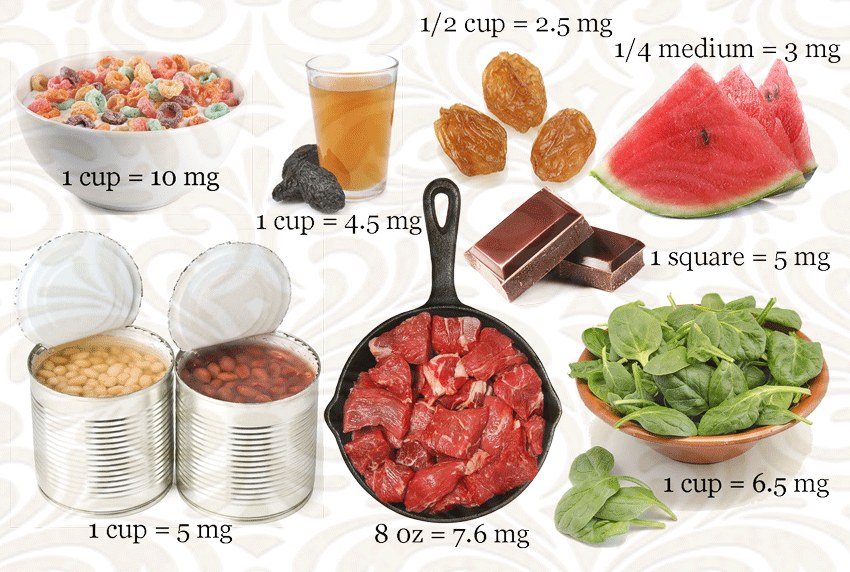
Dosing rules that materially change absorption
- Alternate‑day dosing is now preferred over daily dosing. Single oral iron doses transiently raise hepcidin for ~24 hours, suppressing absorption of the next dose. Alternate‑day dosing produces greater fractional absorption, a higher peak, lower hepcidin and fewer GI adverse effects than daily dosing at the same total dose. Consider once‑daily or alternate‑day dosing rather than two or three doses per day.
- Take on an empty stomach (or with only vitamin C), 1 hour before or 2 hours after food, to maximise absorption.
- Co‑prescribe 100–200 mg vitamin C (ascorbic acid) with iron — it reduces ferric to ferrous iron and improves absorption.
- Avoid inhibitors within 2 hours: tea, coffee, milk, calcium, antacids, proton pump inhibitors, and levothyroxine. Iron also reduces levothyroxine, tetracycline and quinolone absorption — separate doses by at least 2–4 hours.
- Total duration: until haemoglobin normalises, then a further 3 months to replete stores. Continue for 3–6 months postpartum in pregnancy.
- Counting ferrous (black) stools is expected and not a reason to stop. A strongly positive faecal occult blood test will be confounded by oral iron — clarify this with the laboratory before investigating further.
Common reasons for "oral iron failure" — check these before switching to IV
- Taking the wrong elemental dose (many preparations deliver only 30–65 mg, not the assumed 200 mg).
- Taking with food, tea, coffee, calcium or antacids — a large and avoidable loss.
- Twice or three times daily dosing, which increases hepcidin and side effects without increasing net absorption.
- Untreated ongoing blood loss, or an unexcluded GI malignancy.
- Malabsorption (coeliac disease, PPI, bariatric surgery), or Helicobacter pylori infection.
- Gastrointestinal intolerance genuinely preventing an adequate dose — a genuine and common reason to move to IV iron.
08 Parenteral (Intravenous) Iron — When and Why
IV iron is one of the best‑evidenced interventions in PBM, but it must be prescribed deliberately.
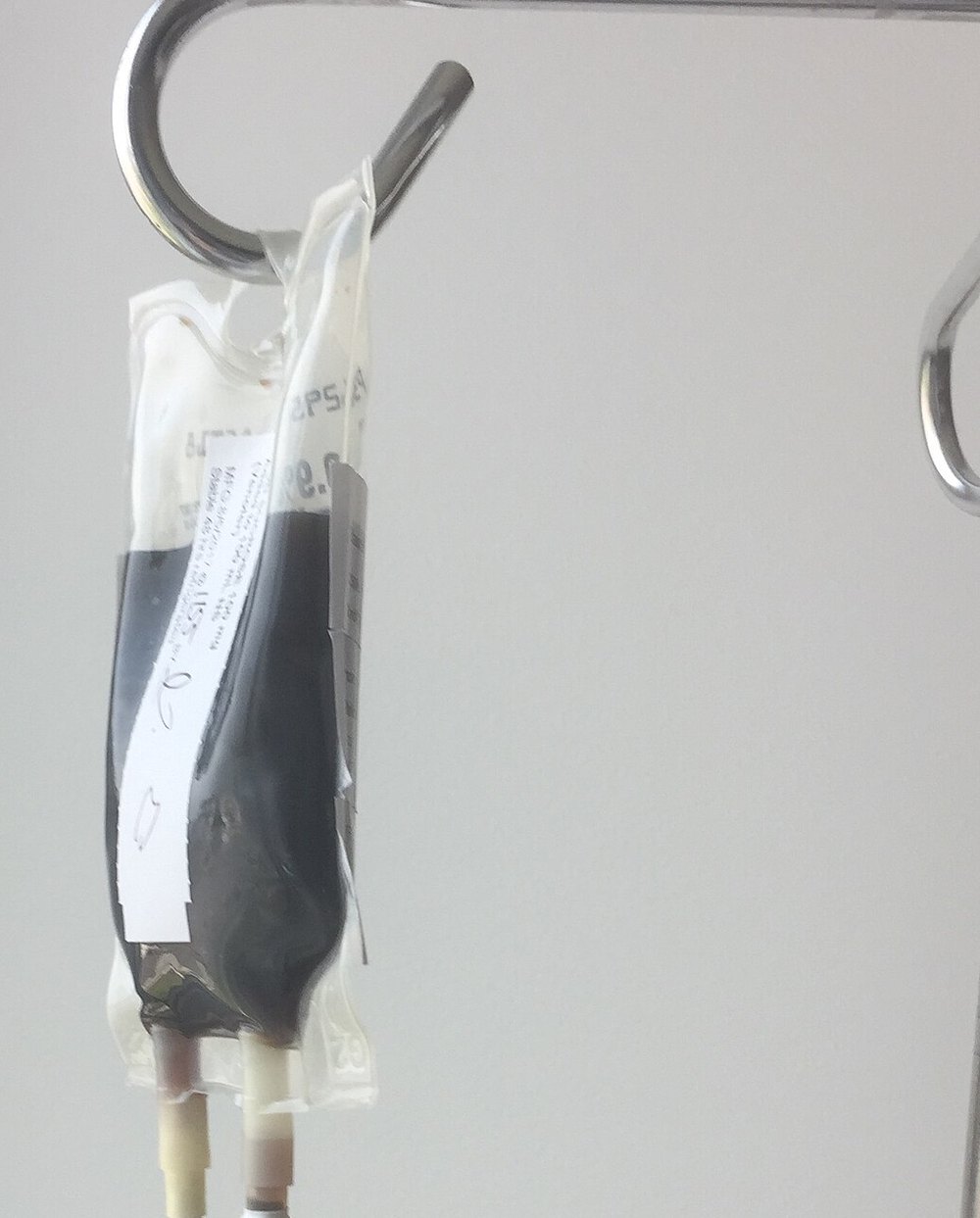
Image: Smokefoot, Wikimedia Commons, CC BY-SA 4.0
Indications for IV iron
Strong / guideline‑supported indications
1. Oral iron intolerance — persistent GI side effects preventing an effective dose.
2. Oral iron non‑adherence or failure despite dose and schedule optimisation.
3. Ongoing or recurrent blood loss where oral iron cannot keep pace (haemodialysis, frequent phlebotomy, active GI bleeding, ongoing heavy menstruation).
4. Malabsorption — coeliac disease, inflammatory bowel disease, bariatric surgery, chronic PPI, chronic pancreatitis.
5. Chronic kidney disease — particularly eGFR < 30 mL/min/1.73 m², haemodialysis and peritoneal dialysis, including ESA initiation or dose escalation.
6. Anaemia of chronic disease/inflammation with confirmed iron deficiency (TSAT < 20%, ferritin < 100 µg/L) — e.g. heart failure, rheumatoid arthritis, IBD, cancer.
Situations requiring a rapid rise in haemoglobin
7. Pre‑operative optimisation — when oral iron cannot raise haemoglobin within the available preoperative window, or when the transfusion requirement is predicted to be high.
8. Pregnancy, second and third trimesters — for severe anaemia (Hb < 7–8 g/dL), anaemia unresponsive to oral iron, intolerance, close to term, or multiple gestation. First trimester is avoided.
9. Cancer / chemotherapy — particularly with erythropoietin therapy (with thrombotic risk assessment) and stem cell transplant programmes.
10. Symptomatic heart failure with iron deficiency, to improve exercise capacity and symptoms (and reduce hospitalisation) even when the haemoglobin rise is modest.
11. Non‑anaemic iron deficiency with fatigue, exercise intolerance or restless legs where oral iron has failed.
12. Blood donors — especially regular donors, and before repeated donation programmes or athletic competition.
Side effects of parenteral iron — in detail
Almost all reactions to IV iron fall into one of three mechanistic groups. Knowing which group you are dealing with determines whether you continue the infusion, stop it, or manage the patient.
The three reaction patterns
- 1. Dose‑related, self‑limiting "infusion reaction" — a non‑immunological reaction to the transiently high concentration of unbound (circulating) iron released into the blood as the dose is infused. Frequency roughly mirrors dose size, so it is common with iron sucrose and low molecular weight iron dextran and uncommon with the high‑single‑dose third‑generation products. Manage by slowing or pausing the infusion; the reaction often resolves and the dose can be completed.
- 2. True IgE‑mediated anaphylaxis / hypersensitivity — a true allergy to the carbohydrate carrier or to the preparation. Dose‑independent, may occur on the very first dose, and can be life‑threatening. Stop the infusion immediately and treat as anaphylaxis. See section 08B.
- 3. Delayed or organ‑specific toxicity — including ferumoxytol‑related severe hypotension, and ferric carboxymaltose‑related hypophosphataemia. This is why the package insert, not just clinical instinct, governs practice for these two products.
| System | Adverse effect | Frequency | Mechanism / distinguishing features | Management |
|---|---|---|---|---|
| Cardiovascular | Hypotension | Uncommon–common | Part of a dose‑related infusion reaction; ferumoxytol carries a US boxed warning for severe or life‑threatening hypotension | Stop infusion, lie flat, elevate legs, IV fluids; adrenaline if severe. Slow subsequent infusions. Assess for bleeding, cardiac disease and volume status |
| Cardiovascular | Hypertension, tachycardia, palpitations | Uncommon | Seen with ferric carboxymaltose, particularly with rapid infusion | Usually transient; slow the infusion, monitor blood pressure, rarely needs specific treatment |
| Immune / allergic | Anaphylaxis, angioedema | Rare (~0.5–1 per 1,000 for FCM and dextran; ~0.3–0.5 per 10,000 for iron sucrose, ferric derisomaltoside, iron isomaltoside) | IgE‑mediated allergy to the carbohydrate carrier. Can occur on the first dose. Risk tracks carrier molecular weight — highest for dextran, lowest for the small‑molecule isomaltosides | Stop immediately; treat as anaphylaxis (see section 08B). Observe at least 30 minutes. Document the product and consider a different carrier |
| Immune / allergic | Urticaria, pruritus, rash, flushing | Uncommon | May be a mild component of an infusion reaction, or early evolving anaphylaxis | Urticaria without respiratory or circulatory compromise may be watched through with the infusion slowed. New wheeze, stridor or hypotension = treat as anaphylaxis |
| Respiratory | Dyspnoea, chest tightness, wheeze, cough | Uncommon | Free‑iron mediated bronchospasm (histamine and iron‑mediated) or early anaphylaxis. Iron may be a trigger in asthmatics | Stop infusion; treat as anaphylaxis until proven otherwise. Salbutamol for wheeze. Respiratory support and observation |
| Gastrointestinal | Nausea, vomiting | Common | Dose‑related infusion reaction; may also occur with oral iron given concurrently | Slow or pause the infusion; antiemetic if needed. Withhold oral iron for 24–72 h after IV iron |
| Gastrointestinal | Constipation, diarrhoea, abdominal pain, bloating | Uncommon | Free‑iron effect on gut mucosa; more common with multi‑dose regimens | Usually transient; symptomatic management. Encourage hydration and fibre |
| Musculoskeletal | Myalgia, arthralgia, back pain, chest‑back pain | Common (esp. iron sucrose) | Dose‑related free‑iron reaction; a well‑recognised and characteristic reaction to iron sucrose | Slow or pause the infusion — this is the classic response, and the dose can usually be completed after symptoms settle |
| Local / vascular | Injection‑site pain, phlebitis, extravasation, injection‑site reaction | Common | Irritant effect of iron on the endothelium; higher with peripheral cannulae, concentrated solutions and rapid infusion | Ensure correct dilution and adequate cannula gauge; use a suitable vein; slow the rate. Stop and aspirate if extravasated — do not flush through |
| Skin / pigmentation | Transient brownish skin, mucous membrane or urine discolouration | Uncommon | Excretion of iron‑pigmented breakdown products | Benign and self‑limiting. Reassure the patient; no treatment. Warn in advance to prevent alarm and to avoid unnecessary investigation |
| Haematological | Transient fall in MCV and mean cell haemoglobin (hypochromic, low‑MCV reaction) | Uncommon | Circulating iron is diverted into new reticulocytes that are still iron‑poor, diluting red cell indices. Lowest with iron isomaltoside; also reported with other third‑generation products | Interpret cautiously — a falling MCV with a rising Hb is still a treatment response, not failure. Check ferritin and TSAT before redosing |
| Metabolic | Hypophosphataemia | Common with ferric carboxymaltose | Characteristic and potentially severe with ferric carboxymaltose (a hepcidin‑induced renal phosphate wasting effect). Rare with other preparations | Monitor serum phosphate with repeated dosing, CKD, malignancy, osteoporosis or malnutrition. Replace with IV phosphate if symptomatic or severe. Prefer ferric derisomaltose or iron isomaltoside in high‑risk patients |
| Renal | Acute kidney injury (rare) | Rare | Almost always an indirect consequence of hypotension, hypophosphataemia or pre‑existing renal disease, rather than direct iron nephrotoxicity. Note the risk in ferumoxytol | Ensure adequate volume status, avoid rapid bolus in CKD, monitor creatinine, correct hypophosphataemia and hypotension |
| Iron overload | Iron accumulation, hepatic and endocrine toxicity | With excessive/inappropriate dosing | Repeated dosing above need, especially in anaemia of chronic disease, transfusion‑dependent patients and CKD. Contributes to oxidative stress and ferroptosis | Do not redose if ferritin > 100 µg/L (> 500–800 µg/L in CKD), or if TSAT > 30%. Begin chelation in transfusion‑dependent patients |
| Infection | Increased infection risk | Uncommon | Free iron may promote bacterial growth, particularly in active infection and in iron‑overloaded states | Contraindicated in active systemic infection — treat the infection and defer iron. Avoid in neutropenic patients |
| Preparation | Defining / characteristic adverse effect | What the patient usually notices | Precaution specific to this product |
|---|---|---|---|
| Iron sucrose | High rate of dose‑related infusion reactions (back/chest pain, myalgia, arthralgia, flushing) | Back or chest pain and a hot flushing feeling during the infusion | Strict dilution limit (≤ 100 mL NaCl 0.9%), slow the infusion, expect more visits and therefore more reaction opportunities |
| Ferric carboxymaltose | Hypophosphataemia; hypersensitivity; US boxed warning for hypersensitivity | Typically little during the infusion; fatigue, muscle weakness or cramps days to weeks later from low phosphate | Check serum phosphate if repeated dosing, CKD, malignancy, osteoporosis or malnutrition |
| Ferric derisomaltose | Minimal hypophosphataemia — a key advantage | Injection‑site discomfort; otherwise few symptoms | No specific phosphate monitoring required; preferred in bone‑health risk groups |
| Iron isomaltoside | Lowest rate of the transient MCV/haematocrit fall | Injection‑site discomfort; otherwise few symptoms | Useful where a falling MCV would be misinterpreted as treatment failure |
| Low‑MW iron dextran | Highest hypersensitivity risk of the family (carrier molecular weight dependent); anaphylaxis, angioedema, dyspnoea, back pain | Sudden dread, flushing, rash, wheeze, hypotension — sometimes minutes into the infusion | Test dose per protocol; never give high‑MW (historical) dextran; full resuscitation capability must be at the bedside |
| Ferrous gluconate (IV) | Highest rate of infusion reactions and phlebitis; longest infusion time | Flushing, headache, nausea, back pain, local vein pain | Test dose and prolonged observation; 1–2 hour infusion — impractical for most outpatients |
| Ferumoxytol | US boxed warning: severe or life‑threatening hypotension and anaphylaxis | Sudden light‑headedness, pallor, diaphoresis, back or flank pain | Observe ≥ 30 minutes after every dose. Consider the split 255 mg × 3 regimen in high‑risk patients |
Safety rules that follow from the side effect profile
- Never co‑administer oral iron with IV iron. Withhold oral iron for 24–72 hours after an IV dose. Co‑administration is both unnecessary and a common cause of nausea, abdominal pain and iron overload.
- Never co‑infuse IV iron with any other IV medicine. Use a dedicated line, or flush thoroughly between drugs.
- Observe ≥ 30 minutes after the first dose of any preparation, and after every ferumoxytol dose.
- Warn the patient about transient brownish skin and urine discolouration, and about possible myalgia, back pain and nausea — pre‑warning substantially reduces anxiety and unneeded investigation.
- Document the product, dose, rate and any reaction in the administration record, and record it in a patient allergy alert after a hypersensitivity event.
Contraindications and cautions
| Check | Status | Action |
|---|---|---|
| Active systemic infection | CONTRAINDICATED | Treat the infection first; defer iron. Free iron may enhance bacterial growth and, in iron overload, may increase infection risk |
| First trimester of pregnancy | AVOID | Use oral iron; reserve IV iron for the second and third trimesters or postpartum |
| Previous anaphylaxis to this preparation or its components | CONTRAINDICATED | Consider a structurally different carrier (e.g. avoid dextran or polysaccharide carriers) under specialist supervision |
| Known hypersensitivity to the carrier (dextran, sucrose, isomaltoside, carboxymaltose) | CONTRAINDICATED | Select an alternative preparation |
| Uncontrolled heart failure / fluid overload | CAUTION | Slow the infusion, use a smaller volume, monitor closely; prefer total‑dose in a smaller diluent |
| Chronic liver disease, advanced cirrhosis | CAUTION | Specialist input; risk of iron overload and hepatic decompensation |
| Systemic lupus erythematosus, severe atopic dermatitis, multiple drug allergies | CAUTION | Higher baseline hypersensitivity risk; observe for at least 30 minutes after the first dose |
| Suspected or known iron overload (haemochromatosis, transfusion dependence, ferritin > 500 µg/L) | CAUTION | Confirm ferritin and transferrin saturation; seek haematology input before dosing |
| Concomitant oral iron within the last 24–72 hours | ADJUST | Withhold oral iron; it reduces IV iron bioavailability and increases toxicity |
| Other IV medicines in the same line | ADJUST | Do not co‑infuse with other drugs unless compatibility is documented; flush the line; never mix in the same syringe or bag |
| History of severe asthma or anaphylaxis to any IV product | CAUTION | Ensure resuscitation equipment and trained staff are immediately available |
Safe administration — non‑negotiable points
- Administer in a clinical area with immediate access to oxygen, suction, IV fluids, adrenaline and resuscitation staff.
- Observe the patient for at least 30 minutes after the first dose of any preparation (per local policy); do not discharge early.
- Use a dedicated IV line or a dedicated giving set; do not piggyback into a running line containing other drugs.
- Use the specified diluent and volume from the product label; some preparations (notably iron sucrose) have strict dilution limits.
- A test dose is not required for low‑molecular‑weight iron dextran, ferric carboxymaltose, ferric derisomaltose or iron isomaltoside in most current guidance; it is traditionally required for high‑molecular‑weight (historical) iron dextran. Ferumoxytol carries a US boxed warning for severe hypotension and anaphylaxis and warrants extended observation.
- Corticosteroid or antihistamine premedication is not routinely recommended and may itself be harmful — it does not reliably prevent hypersensitivity.
08B Anaphylactic Reactions to Parenteral Iron Anaphylaxis protocol
The most serious adverse drug reaction in PBM practice. Rare, but it can kill rapidly, and it is entirely preventable in almost every case with the right preparation and the right preparation‑room checks.
Why it happens — the underlying mechanism
Hypersensitivity to IV iron is a reaction to the carbohydrate carrier (dextran, sucrose, carboxymaltose, isomaltoside or polygluciron), not to the iron itself — the patient is not "allergic to iron". The risk correlates with the molecular weight and complexity of the carrier moiety:
- Highest risk — high‑molecular‑weight iron dextran (the historical preparation): anaphylaxis in ~5–10 per 1,000 doses, often fatal. Largely withdrawn from practice and must not be used.
- Reduced but still significant — low‑molecular‑weight iron dextran: ~0.5–1 per 1,000 doses.
- Low risk — ferric carboxymaltose (maltodextrin‑derived): ~0.5–1 per 1,000. Carries a boxed warning for hypersensitivity in the US.
- Lowest risk — small‑molecule isomaltoside preparations (ferric derisomaltoside, iron isomaltoside) and iron sucrose: ~0.3–0.5 per 10,000 doses — a tenfold difference from the dextrans.
- Ferumoxytol sits in a distinct regulatory category: a US boxed warning for severe or life‑threatening hypotension and anaphylaxis, with a mandatory ≥ 30 minute observation period after every dose.
Mechanistically, the carrier is taken up by complement‑activating pathways, producing C3a and C5a and mast cell degranulation. Because this is a complement‑mediated process, the reaction is largely independent of dose — a small dose can trigger a severe reaction in a sensitised patient. This explains why severe reactions occur even on a first exposure.
Reaction grades and immediate action
- Grade 1 — mild: flushing, urticaria, pruritus, nausea, transient cough. Action: slow or pause the infusion, observe closely, treat with antihistamine and IV antihistamine. The dose can often be completed after resolution.
- Grade 2 — moderate: generalised urticaria, angioedema, wheeze, moderate hypotension, dizziness. Action: stop the infusion, IM/IV antihistamine, IV hydrocortisone, IV fluids, oxygen, close monitoring.
- Grade 3 — severe (anaphylactic shock): stridor, hoarse voice, severe bronchospasm, profound hypotension, collapse, altered conscious level. Action: stop immediately, treat as anaphylaxis — see the algorithm below.
- Grade 4 — fatal: cardiovascular collapse not responding to treatment.
Management algorithm
-
Stop the infusion immediately
Do not wait for confirmation. Clamp the line, but do not remove the cannula — keep venous access for drug and fluid administration.
-
Call for help and assess
Summon the resuscitation team. State clearly: "Anaphylaxis to intravenous iron in infusion room bay [number]." This should trigger a pre‑specified emergency call.
-
Adrenaline — first line, intramuscular
IM adrenaline (epinephrine) 1:1000 (1 mg/mL) Adults: 0.5 mg IM = 0.5 mL into the mid‑outer thigh Children: 0.01 mg/kg IM (max 0.3 mg) Repeat after 5 minutes if there is no response.IM thigh is the recommended route — absorption is faster and more reliable than subcutaneous, and it avoids the delayed peak and ischaemia seen with IV bolus. Do not delay adrenaline for antihistamines or steroids.
-
IV adrenaline if refractory or peri‑arrest
Give a dilute infusion or titrated IV bolus under expert supervision — a typical preparation is 1 mg adrenaline in 1000 mL NaCl 0.9% (1 µg/mL), titrated to effect, with ECG and blood pressure monitoring throughout. A brief 0.5 mL bolus of 1 mg/10 mL (1:10,000) may be used by experienced clinicians.
-
Fluid resuscitation and position
Lie the patient flat with legs elevated (unless respiratory compromise predominates, when sit them up). Give rapid crystalloid boluses (e.g. 500 mL–1 L of NaCl 0.9%) and reassess. In the ferumoxytol hypotension scenario, fluids and slow re‑infusion are the core of management.
-
Airway and breathing
High‑flow oxygen, early senior airway help for stridor, supraglottic intubation, and nebulised salbutamol for persistent bronchospasm. Antihistamines (e.g. chlorphenamine) and IV hydrocortisone are second line adjuncts only — they treat urticaria, not the airway or circulation.
-
Monitor and confirm recovery
Continuous ECG, pulse oximetry, blood pressure; observe for at least 4–6 hours, longer if there was a severe reaction. Check for biphasic reaction and for biphasic deterioration in the following hours.
-
Document, report and prevent recurrence
- Record the brand, formulation and dose in the allergy alert — the carrier, not the iron, is the allergen.
- Report as a pharmacovigilance / incident report to the hospital medication safety committee and, where appropriate, to the national regulator.
- Plan a different carrier for any future iron — an allergy to a dextran or carboxymaltose preparation does not imply allergy to all iron products, and a reaction to one isomaltoside may not predict the other.
- Consider referral to clinical immunology/ allergy for formal allergy testing if further IV iron is essential.
| Agent | Dose | Role |
|---|---|---|
| Adrenaline (epinephrine) 1:1000 | 0.5 mg IM (0.5 mL) in the mid‑outer thigh; child 0.01 mg/kg (max 0.3 mg). Repeat every 5 min | FIRST LINE — life‑saving. Reverses vasodilatation, oedema and bronchospasm |
| IV adrenaline (refractory) | 1 mg in 1000 mL NaCl 0.9% (1 µg/mL), titrated; or 0.5 mL of 1:10,000 (1 mg/10 mL) IV bolus by experienced staff | For refractory hypotension, peri‑arrest, or profound hypotension under expert monitoring with ECG |
| Crystalloid (NaCl 0.9%) | 500 mL–1 L bolus, reassessing blood pressure and perfusion | Restores circulating volume — critical in vasodilatory shock |
| High‑flow oxygen | 15 L/min via non‑rebreather mask | Maximises oxygen delivery; treat stridor and bronchospasm early |
| Nebulised salbutamol | 2.5–5 mg nebulised | Relieves bronchospasm — adjunct only; does not treat airway oedema |
| IV hydrocortisone | 200 mg IV (child 1–2 mg/kg, max 200 mg) | Second line; may reduce late/recurrent symptoms. Never delays adrenaline |
| Chlorphenamine | 10 mg IV/IM (child 2.5–10 mg) | Second line for urticaria and pruritus only. Does not treat airway or circulatory compromise |
| Airway support | Supraglottic airway, then tracheal intubation | Early senior anaesthetic/ENT help for stridor — oedema can progress rapidly and intubation may become difficult |
| Observation | Minimum 4–6 hours; longer after a severe reaction | Detect biphasic reactions and delayed deterioration |
Prevention — the PBM role in preventing anaphylaxis
Before the first dose
Choose the lowest‑risk preparation that will do the job. A single‑dose isomaltoside preparation carries roughly tenfold less hypersensitivity risk than a dextran. Avoid high‑MW dextran entirely.
Screen specifically for prior reaction to IV iron, asthma, atopic dermatitis, multiple drug allergies, SLE, and occupational or dietary exposure to dextran/dextrin (e.g. certain IV colloids, and some food and pharmaceutical excipients).
Know the patient is already anaemic and may have severe cardiac comorbidity — anaphylaxis is far more dangerous in a patient with limited physiological reserve.
Exclude active infection before dosing.
At the chairside
Resuscitation readiness before the first drop: oxygen, suction, IV fluids, adrenaline 1 mg/mL drawn up and immediately available, resuscitation trolley in the room or adjacent, and a second staff member present who is not engaged in documentation.
Infuse slowly, observe closely, and stay at the bedside for the first 5–10 minutes — most reactions occur early in the infusion.
Use a dedicated line and correct dilution — high concentrations and rapid infusion increase both infusion reactions and risk.
Reactions are managed with adrenaline, not antihistamines. Ensure every staff member on the unit can recognise and treat anaphylaxis.
Summary — the five rules of IV iron anaphylaxis
- Prefer the smallest carrier — isomaltoside or sucrose over carboxymaltose over dextran. Never use high‑MW dextran.
- Adrenaline first — IM, into the thigh, repeated every 5 minutes if required. Nothing else substitutes for it.
- Stop the infusion, keep the cannula — you need the venous access.
- Antihistamines and steroids are adjuncts for urticaria and late symptoms; they do not save lives in anaphylaxis.
- Document the carrier, not "iron" — the allergy alert must name the product, so future prescribing can choose a safe alternative.
09 Dosage Calculation for Parenteral Iron Dose & calculation worked example
How to calculate the total iron deficit, and how to convert it into a number of vials and infusions.
The core formula — iron deficit (Stock / Ganzoni method)
The same formula in the alternative "total‑dose" presentation used by most modern single‑dose products:
| Situation | Formula | Notes |
|---|---|---|
| Standard (non‑oedematous) adult | Weight × (Target − Actual Hb) × 2.4 + 500 | The Stock formula; the most widely used |
| Oedematous patient | As above, plus (current weight − dry weight) × 10 | The 500 mg allowance does not cover expanded extracellular fluid; add the estimated weight of iron‑poor oedema fluid |
| Preoperative (body surface area method) | BSA × 5 × (Hct target − Hct actual) × 100 + 200 | Equivalent Ganzoni approach using haematocrit |
| Involves blood loss at surgery | Iron deficit + estimated blood loss (mL) × 5 | Approx. 5 mg of iron per mL of whole blood lost |
| Chronic kidney disease / haemodialysis maintenance | Weight × 100 × (Hct target − Hct actual) ÷ Hct target | Maintenance/replacement rather than repletion; titrate to ferritin targets |
| Non‑anaemic iron deficiency | 500–1000 mg total | No haemoglobin deficit to correct; a single total‑dose infusion is appropriate |
| Maximum per administration | 1000 mg (or 20 mg/kg) | Never exceed the preparation‑s licensed single‑dose maximum; if the calculated total is higher, give it in two or more divided doses |
Converting the deficit into the volume to draw up
Worked clinical example
65‑year‑old woman, 65 kg, preoperative for colorectal surgery
Actual Hb 8.5 g/dL · Target Hb 13.0 g/dL · No oedema · Ferritin 9 µg/L · Surgery in 10 days · No oral iron intolerance, but oral iron will not raise Hb sufficiently in time
| Step | Calculation | Result |
|---|---|---|
| 1. Haemoglobin deficit | 13.0 − 8.5 | 4.5 g/dL |
| 2. Iron per kg per g/dL | 65 × 4.5 × 2.4 | 702 mg |
| 3. Add red cell mass replacement | 702 + 500 | 1202 mg total |
| 4. Apply single‑dose maximum | 1202 mg > 1000 mg max | Split: 1000 mg + 202 mg |
| 5a. Ferric carboxymaltose regimen | 1000 mg in 15 mL, dilute to 100–250 mL NS, ≥ 15 min. Remainder 202 mg (≈ 4 mL) after ≥ 1 week, after rechecking Hb | 1000 mg now, 202 mg later |
| 5b. Iron sucrose regimen | 1202 ÷ 20 = 60 mL. Max 200 mg (10 mL) per infusion → 6 × 200 mg, e.g. twice weekly for 3 weeks, in 100 mL NS over 15–30 min | 200 mg × 6 sessions |
| 6. Expected response | ~1 g/dL Hb rise per 100 mg iron; ceiling ~2 g/dL | Hb to ~10.5–11.5 g/dL over 4–6 weeks |
| 7. Recheck | CBC + ferritin at 4–8 weeks post‑dose | Decide on further iron or transfusion avoidance |
Don't forget: this patient needs bidirectional endoscopy and coeliac serology concurrently, coeliac disease or a colorectal lesion is exactly what would have caused a 4.5 g/dL deficit, and iron therapy alone without investigating the cause will relapse.
10 Drug Dosing Reference Drug dosing reference
Consolidated dosing tables for every drug discussed: oral iron, parenteral iron, vitamin B12, folate, and erythropoiesis-stimulating agents — with dose, frequency, duration, route and monitoring. Always verify against the locally registered product label before administration.
| Drug | Concentration | Usual adult dose | Max single dose | Diluent & volume | Infusion time | Regimen / frequency | Test dose |
|---|---|---|---|---|---|---|---|
| Iron sucrose Venofer, Orofer S |
20 mg/mL 100 mg/5 mL |
100–200 mg 5–10 mL |
200 mg | NaCl 0.9%, ≤ 100 mL Not 5% dextrose; no other drugs |
15–30 min | 1–2×/week 5–10 sessions for a 1000 mg deficit |
Not required |
| Ferric carboxymaltose Ferinject, Injectafer |
50 mg/mL 750 mg/15 mL |
750–1000 mg 15–20 mL |
1000 mg 20 mg/kg if lower |
NaCl 0.9% or 5% dextrose ≥ 100 mL; generous dilution OK |
≥ 15 min | Single total‑dose infusion Max 1000 mg/week |
Not required |
| Ferric derisomaltose Monoferic |
50 mg/mL 1000 mg/20 mL |
500–1000 mg 10–20 mL |
1000 mg 20 mg/kg if lower |
NaCl 0.9% 100 mL |
≥ 20 min | Single total‑dose infusion Up to 1500 mg as 2 doses ≥ 1 wk apart (dialysis) |
Not required |
| Iron isomaltoside Monferric |
50 mg/mL 1000 mg/20 mL |
500–1000 mg 10–20 mL |
1000 mg 20 mg/kg |
NaCl 0.9% or 5% dextrose up to 200 mL |
15–20 min | Single total‑dose infusion | Not required |
| Low‑MW iron dextran INFeD, Ferrlecit |
10 mg/mL 100 mg/10 mL |
500–1000 mg 50–100 mL |
1000 mg | NaCl 0.9% 250–500 mL; dilute further |
~60 min | Single total‑dose infusion possible | Protocol‑dependent e.g. 0.02 mL/kg over 5 min |
| Ferrous gluconate (IV) Dose, hospital use |
25 mg/mL 125 mg/5 mL |
500–1000 mg (TDI) 20–40 mL |
~1000 mg total dose infusion |
NaCl 0.9% Large volume — 250–500 mL |
1–2 hours | 8–10 doses over 2–3 weeks Highest visit burden |
Yes + observation |
| Ferumoxytol Feraheme, Accufer |
30 mg/mL 510 mg/17 mL |
510 mg ~17 mL |
510 mg or 255 mg × 3 days |
NaCl 0.9% 50–200 mL, or undiluted bolus |
15–30 min or 15 s bolus |
Single 510 mg, or 255 mg × 3 consecutive days 30 min observation mandatory |
Not required, but observe ≥ 30 min |
| Scenario | Formula | Worked example | Notes |
|---|---|---|---|
| Repletion of a deficiency (standard) | Weight × (Target Hb − Actual Hb) × 2.4 + 500 |
70 kg, Hb 9, target 13:70 × 4 × 2.4 + 500 = 1172 mg |
The Stock/Ganzoni formula. Cap at the preparation's single‑dose maximum; repeat after ≥ 1 week |
| Oedematous patient | As above + (current wt − dry wt) × 10 |
Dry 70 kg, current 85 kg:... + 1500 mg |
Oedema fluid is iron‑poor; the fixed 500 mg allowance does not cover it |
| Preoperative (haematocrit method) | BSA × 5 × (Hct target − Hct actual) × 100 + 200 |
BSA 1.9, Hct 27→39:1.9 × 5 × 12 × 100 + 200 = 1360 mg |
Equivalent Ganzoni approach; some protocols use BSA × 5 × ΔHct + 200 without the ×100 — confirm which your unit uses |
| Including operative blood loss | Repletion deficit + EBL (mL) × 5 |
EBL 400 mL:1172 + 2000 mg |
~5 mg iron per mL whole blood lost. Only use in discussion, rarely prescribable in one visit |
| CKD / haemodialysis maintenance | Weight × 100 × (Hct target − Hct actual) ÷ Hct target |
70 kg, Hct 25→30:70 × 100 × 5 ÷ 30 = 1167 mg |
For replacement of ongoing loss, not initial repletion. Titrate to ferritin targets, and stop if ferritin exceeds the ceiling |
| Paediatric total dose | Weight × (Target Hb − Actual Hb) × 3.4 + 250Iron sucrose: Weight × ΔHb × 3.4 + 100 |
15 kg, Hb 8, target 12:15 × 4 × 3.4 + 250 = 454 mg |
Ferric carboxymaltose ≤ 20 mg/kg, max 1000 mg. Age‑specific; refer to a paediatric or local protocol |
| Non‑anaemic iron deficiency | 500–1000 mg single total dose | Ferritin 12 µg/L, Hb normal:1000 mg once |
No haemoglobin deficit to correct; a single infusion is appropriate |
| Per unit of blood lost | 1 unit RBC = ~200–250 mg iron |
1 unit raises Hb ~10 g/L in a 70 kg adult | Useful for explaining to colleagues why transfusion is a poor iron replacement strategy |
| Drug / preparation | Available as | Elemental Fe | Adult dose | Frequency & duration | Notes |
|---|---|---|---|---|---|
| Ferrous sulfate | 200 mg tablet | ~65 mg | 40–65 mg elemental ≈ 1 tablet |
Once daily, or on alternate days (preferred); continue 3 months after Hb normalises | Reference first‑line. Cheapest, most widely available in Malaysia. Most GI side effects |
| Ferrous fumarate | 210 mg tablet | ~68 mg | 40–68 mg elemental | Once daily / alternate days | Widely used in Malaysian primary care |
| Ferrous gluconate | 300 mg tablet | ~35 mg | 35 mg elemental | Once daily / alternate days | Better tolerated; needs 2 tablets to match a sulfate tablet |
| Ferrous succinate | 100–200 mg | ~35–70 mg | 35–70 mg elemental | Once daily / alternate days | Alternative salt; fewer GI effects than sulfate in some patients |
| Ferrous bisglycinate (chelated) | 25–50 mg elemental | 25–50 mg | 25–50 mg elemental | Once daily; 3–6 months | Better absorbed and better tolerated; higher cost. Can be taken with food if GI intolerant |
| Polysaccharide‑iron complex / iron polymaltose | 37–92 mg elemental drops/tablet | ~30–50 mg | 100–200 mg elemental/day | Once daily; commonly throughout pregnancy | Non‑ionic, fewer GI effects. Not dose‑interchangeable with ferrous salts |
| Sodium ferric EDTA | Oral solution | ~25 mg/mL | Specialist supervised | Specialist use | Rarely used; specialist or paediatric contexts |
| Drug | Indication | Loading / repletion dose | Maintenance | Route & duration | Monitoring & cautions |
|---|---|---|---|---|---|
| Hydroxocobalamin (vit B12) | B12 deficiency, pernicious anaemia, post‑gastrectomy, vegan diet, metformin use | 1 mg IM on alternate days for 1–2 weeks | 1 mg IM every 3 months (lifelong if the cause is permanent) | IM; or high‑dose oral cyanocobalamin 1000–2000 µg daily | Monitor CBC; check baseline and follow‑up MMA/homocysteine. Do not give folate first |
| Cyanocobalamin (oral) | B12 deficiency where IM is impractical | 1000–2000 µg daily | 1000–2000 µg daily, lifelong | Oral, ongoing | Requires adequate intrinsic factor; monitor if malabsorption is severe |
| Folic acid | Folate deficiency, pregnancy supplementation, macrocytosis | 5 mg daily | 5 mg daily; 400 µg–5 mg in pregnancy depending on risk | Oral; continue ≥ 3 months after Hb normalises | Never give alone in B12 deficiency — risk of neurological damage. Unmask B12 deficiency in MDS |
| Erythropoietin alfa | CKD, symptomatic heart failure after iron correction, selected oncology | 50–100 U/kg SC 3×/week (CKD); 40–60 U/kg 3×/week (oncology) | Titrate to lowest effective dose; usually 3×/week or less | SC or IV; months to years, with regular review | Stop if Hb > 11–12 g/dL. Risks: thrombosis, hypertension, seizures, pure red cell aplasia. Never start without adequate iron repletion |
| Darbepoetin alfa | As above; longer acting | 0.45 µg/kg weekly (CKD); 0.45 µg/kg weekly (oncology) or 200 µg every 3 weeks | Reduce or withhold once Hb target reached; dosing interval can extend to 1–2 monthly | SC or IV; once weekly initially | As above. Same thrombotic and tumour‑progression cautions |
| Methoxy polyethylene glycol‑epoetin beta | CKD in patients on dialysis | 30–50 µg/kg SC every 2 weeks | Extend interval as Hb rises | SC; every 2–4 weeks | As above; useful in patients with poor venous access or frequent missed doses |
| Tranexamic acid | PBM adjunct — trauma and obstetric haemorrhage | 1 g IV over 10 min, then 1 g over 8 h (trauma); 1 g IV over 10 min within 3 h of birth (obstetric) | 1 g IV 6‑hourly × 3–4 doses postpartum | IV or oral; short course | Give early — benefit falls sharply after 3 h. Seizure risk at high cumulative doses; caution with thromboembolic disease |
| Calcium gluconate 10% | Massive transfusion — citrate‑induced hypocalcaemia | 10 mL IV (≈ 2.2 mmol) titrated to response | Repeat guided by serial ionised calcium | IV; during resuscitation | Target ionised Ca > 1.0 mmol/L. Extravasation causes tissue necrosis — use a large, patent vein |
11 Parenteral Iron Therapy — Comparison Table 7 IV iron formulations
The requested comparison: components, dosage calculation, effects, side effects, and availability in Malaysia. Scroll horizontally for the full matrix; narrow screens can scroll the table.
| Formulation (generation) |
Components & composition | Dosage calculation & administration | Expected effects | Side effects & key concerns | Availability in Malaysia |
|---|---|---|---|---|---|
|
Iron sucrose
Venofer® Orofer S® 1st/2nd gen |
Ferric (Fe3+) hydroxide complexed with a low‑molecular‑weight sucrose (a multisaccharide / non‑ionic disaccharide) carrier.
100 mg Fe / 5 mL = 20 mg/mL. Non‑ionic carrier — no high molecular weight polysaccharide or macromolecule. |
Total deficit = Wt × (Target − Actual Hb) × 2.4 + 500; express in mL as mg ÷ 20.
Max 200 mg (10 mL) per infusion. Usual 100–200 mg 1–2×/week; total course typically 5–10 sessions over 2–5 weeks. Dilute in up to 100 mL NaCl 0.9%; not in 5% dextrose; no other drugs in the line; do not co‑infuse. Infuse over 15–30 min. No test dose. |
Hb rise ~1 g/dL per 100 mg iron; ~2 g/dL ceiling.
Most studied IV iron; the reference preparation in CKD, haemodialysis and pregnancy. Improves fatigue, exercise capacity, symptoms. Requires the most clinic visits of all preparations. |
Infusion reactions — flushing, back/chest pain, myalgia, arthralgia, dyspnoea, hypotension, nausea, pruritus, urticaria; transient brownish skin discolouration.
Self‑limiting; managed by slowing/pausing infusion. Irritant phlebitis with peripheral cannulation. Hypersensitivity: ~0.3–0.5 per 10,000 doses. No significant hypophosphataemia. Strict dilution limit increases incompatibility risk. |
WIDELY AVAILABLE
Long established; on Malaysian MOH and most private hospital formularies; widely used in CKD/dialysis and obstetrics. Best cost‑effectiveness per mg of iron. Available as generic. |
|
Ferric carboxymaltose
Ferinject® Injectafer® 3rd gen |
Ferric (Fe3+) iron‑carboxymaltose complex — a low‑molecular‑weight, branched maltodextrin‑derived carbohydrate (carboxymaltose) carrier.
750 mg Fe / 15 mL = 50 mg/mL (also 100 mg/2 mL presentations). |
Total‑dose calculation as above; express in mL as mg ÷ 50.
Max 1000 mg per infusion (20 mg/kg if lower); max 1000 mg per week. Dilute in ≥ 100 mL NaCl 0.9% or 5% dextrose; generous dilution permitted. Infuse over ≥ 15 min (some protocols allow slower push). No test dose. Not to be co‑infused with other drugs. |
Equivalent haemoglobin and ferritin repletion to multiple‑dose iron sucrose, in 1–2 visits.
Most convenient for the patient and the service; substantially reduces clinic attendance and staff time. Strong evidence in postoperative anaemia, HFpEF, IBD, pregnancy, and CKD. |
Hypersensitivity — anaphylaxis, angioedema, urticaria, dyspnoea, hypotension; overall ~0.5–1 per 1,000 doses. Key risk
Hypophosphataemia — the major differentiating toxicity; can be severe and require IV phosphate. Monitor serum phosphate with repeated dosing, CKD, malignancy or osteoporosis. Injection‑site reactions, headache, nausea, transient hypertension. Some formulations carry a boxed warning in the US for hypersensitivity. |
WIDELY AVAILABLE
JKN/MOH REIMBURSED
High volume ferric carboxymaltose products are commonly reimbursed in Malaysia, including for post‑operative anaemia. Verify the current registered product strength and JKN indication before prescribing. |
|
Ferric derisomaltose
(iron isomaltoside 3rd gen) Monoferic® 3rd gen |
Ferric (Fe3+) complexed with a branched isomaltoside (higher molecular weight glucose polymer) carrier.
1000 mg Fe / 20 mL = 50 mg/mL. |
Total‑dose calculation; express in mL as mg ÷ 50.
Max single dose 1000 mg (20 mg/kg, whichever is lower) in 100 mL NaCl 0.9%. Infuse over ≥ 20 min. No test dose. Up to 1500 mg may be given as two doses ≥ 1 week apart (haemodialysis protocols). |
Comparable haemoglobin and ferritin repletion to ferric carboxymaltose, with a significantly lower rate of hypophosphataemia.
Very good tolerability profile; preferred where bone health or CKD is a concern. |
Hypersensitivity rare (~0.5 per 10,000).
Lower incidence of the transient fall in MCV/mean cell haemoglobin (the "hypochromic, low‑MCV" reaction) that can occur with other third‑generation iron. Injection‑site reactions, headache, nausea. Iron overload with excessive repeated dosing. No significant hypophosphataemia. |
REGISTERED
FORMULARY VARIABLE
Registered and used in Malaysian tertiary centres and private hospitals; formulary listing and JKN coverage is more variable and often requires justification. Confirm availability locally before selecting. |
|
Iron isomaltoside
Monferric® 3rd gen (low MW) |
Ferric (Fe3+) complex with a low‑molecular‑weight isomaltoside carbohydrate carrier.
1000 mg Fe / 20 mL = 50 mg/mL. |
Total‑dose calculation; express in mL as mg ÷ 50.
Max single dose 1000 mg (20 mg/kg). Dilute in up to 200 mL NaCl 0.9% or 5% dextrose. Infuse over 15–20 min. No test dose. Not to be co‑infused. |
Effective single‑dose repletion with haemoglobin and ferritin outcomes comparable to
ferric carboxymaltose.
Lowest rate of the transient hypochromic, low‑MCV reaction — useful in patients who cannot be rechecked for anaemia promptly (e.g. remote or dialysis settings). |
Lowest rate of the MCV/haematocrit fall after dosing — the distinguishing feature of this preparation.
Hypersensitivity ~0.5 per 10,000. Injection‑site reactions, headache, nausea, dizziness. No significant hypophosphataemia. Iron overload with over‑dosing. |
REGISTERED
FORMULARY VARIABLE
Registered in Malaysia; more limited formulary and reimbursement coverage than iron sucrose or ferric carboxymaltose. Primarily tertiary centre / private hospital use. |
|
Low‑MW iron dextran
INFeD® Ferrlecit® 2nd gen |
Ferric (Fe3+) hydroxide complexed with a low‑molecular‑weight dextran (glucose polymer) fragment.
100 mg Fe / 10 mL = 10 mg/mL concentrate — must be diluted further before use. |
Total‑dose calculation; express in mL as mg ÷ 10.
Up to 1000 mg as a single dose in 250–500 mL NaCl 0.9%. Infuse over ~1 hour. Test dose required by many institutional protocols (e.g. 0.02 mL/kg of the concentrate, 5 min) for historical reasons. Never co‑infuse; never co‑administer in the same syringe. |
Effective total‑dose repletion in a single infusion.
Longest clinical track record of the parenteral preparations. One‑visit option where only dextran is stocked. |
The dextran family carries the highest hypersensitivity risk of all IV iron — that
risk is driven principally by the molecular weight of the carrier.
Low‑MW dextran: ~0.5–1 per 1,000 doses. Historical high‑MW dextran: ~5–10 per 1,000 (often fatal) — the reason high‑MW dextran has largely disappeared. Anaphylaxis, angioedema, dyspnoea, hypotension, back pain. Injection‑site reactions, phlebitis, headache. Cross‑reacts with allergy to dextran/dextrin in IV colloids. No significant hypophosphataemia. |
AVAILABLE
DESPITE, LESS PREFERRED
Registered and used in Malaysia, but largely displaced by third‑generation preparations because of the residual anaphylaxis risk and the test‑dose requirement. Still a viable cost option in some settings. |
|
Ferrous gluconate
(IV) 2nd gen |
Ferrous (Fe2+) gluconate — a simple, low molecular weight
iron‑salt preparation.
125 mg Fe / 5 mL = 25 mg/mL (varies by manufacturer). |
Traditionally given by the total dose infusion (TDI) method: the entire calculated
deficit dissolved in a large volume of saline and infused slowly, typically over 1–2 hours,
as 8–10 sequential doses of 500–1000 mg over 2–3 weeks.
Requires most clinic visits of all preparations. Test dose and observation are standard. |
Produces the largest rise in hypochromic red cell count and the highest
reticulocyte response of the IV preparations.
Longstanding role in haemodialysis, where the test dose and observation are built into the dialysis unit protocol. |
High incidence of infusion reactions — flushing, headache, nausea, back
and chest pain, hypotension, dyspnoea, nausea, tachycardia.
Requires a test dose and prolonged post‑infusion observation because of the reactive ferrous free iron fraction. Marked local phlebitis with peripheral administration. Very slow infusion required — poor tolerability for outpatient use. |
HOSPITAL / DIALYSIS USE
Available mainly in hospital and haemodialysis settings in Malaysia. Note that oral ferrous fumarate is the widely used oral preparation in Malaysian primary care — the two must not be confused, and elemental iron content differs. |
|
Ferumoxytol
Feraheme® Accufer® 3rd gen |
Carbohydrate‑coated magnetite (polygluciron) nanocrystal core — a
structurally distinct, non‑dextran design.
510 mg Fe / 17 mL = 30 mg/mL. |
Total‑dose calculation; express in mL as mg ÷ 30.
510 mg single dose in 50–200 mL NaCl 0.9% over 15–30 min, or 255 mg × 3 doses on 3 consecutive days (split regimen, preferred in high‑risk patients). May be given as a slow undiluted bolus over 15 seconds. No test dose, but 30‑minute observation is mandatory. |
Fewest visits of all preparations — one 510 mg infusion in many protocols.
Effective in CKD, heart failure and refractory anaemia. High rate of "end‑of‑dose" completion versus multi‑dose regimens. |
US boxed warning for severe or life‑threatening
hypotension and anaphylaxis. HIGHEST CAUTION
Requires trained staff, resuscitation equipment, and ≥ 30 minutes of post‑dose observation. Back pain, flushing, headache, nausea, dizziness, myalgia, injection‑site reaction. Can be given in two doses to reduce risk in patients with a high hypersensitivity history — this is a specific advantage. Hypersensitivity reported higher than for other third‑generation preparations in some datasets, and it is not interchangeable with them. |
LIMITED ACCESS
Registered in Malaysia but with limited and expensive access — mostly tertiary referral centres and private hospitals. Cost per mg of iron is the highest of all preparations. Not usually on first‑line MOH formulary listings. |
Supplementary comparisons
| Property | Iron sucrose | Ferric carboxymaltose | Ferric derisomaltose | Iron isomaltoside | LMW iron dextran | Ferumoxytol |
|---|---|---|---|---|---|---|
| Generation | 1st/2nd | 3rd | 3rd | 3rd (low MW) | 2nd | 3rd |
| Carbohydrate carrier | Sucrose (multisaccharide, non‑ionic) | Carboxymaltose (maltodextrin derivative) | Isomaltoside (branched glucose polymer) | Isomaltoside (low MW) | Dextran fragment (low MW) | Polygluciron magnetite core |
| Iron concentration | 20 mg/mL | 50 mg/mL | 50 mg/mL | 50 mg/mL | 10 mg/mL | 30 mg/mL |
| Max single dose | 200 mg | 1000 mg | 1000 mg | 1000 mg | 1000 mg | 510 mg |
| Min. infusion time | 15–30 min | ≥ 15 min | ≥ 20 min | 15–20 min | ~60 min | 15–30 min (or 15 s bolus) |
| Max dilution volume | ≤ 100 mL NS (strict) | ≥ 100 mL, generous | 100 mL NS | 200 mL | 250–500 mL NS | 50–200 mL NS |
| Test dose | No | No | No | No | Protocol‑dependent | No (but 30 min observation) |
| Co‑infusion with other drugs | Not permitted | Not permitted | Not permitted | Not permitted | Not permitted | Not permitted |
| Doses to complete a 1000 mg deficit | 5 | 1 | 1 | 1 | 1 | 1–2 |
| Hypersensitivity rate | ~0.3–0.5 / 10,000 | ~0.5–1 / 1,000 | ~0.5 / 10,000 | ~0.5 / 10,000 | ~0.5–1 / 1,000 | Boxed warning |
| Hypophosphataemia | No | Yes — monitor | Minimal | No | No | No |
| Relative cost per 1000 mg | Low (reference) | Moderate | Moderate‑high | Moderate‑high | Low‑moderate | High |
Choosing a preparation — practical rules
Cost‑sensitive, repeated therapy, CKD/dialysis, 2nd–3rd trimester pregnancy → iron sucrose. Most evidence, lowest cost, no hypophosphataemia, but accept more visits.
Need a large single dose, limited visits, time‑critical optimisation → ferric carboxymaltose. Check phosphate if repeated dosing, CKD, or malignancy.
High repeated dosing with bone health concerns, or CKD → ferric derisomaltose. Large single dose with minimal hypophosphataemia.
High hypersensitivity risk, where MCV fall after prior iron is a concern → iron isomaltoside.
Cannot attend repeated sessions → any third‑generation single‑dose preparation; ferumoxytol only with strict protocol and observation.
Only dextran available, or cost‑driven → low‑MW iron dextran, never high‑MW dextran.
Causes of IV iron failure — and the response
Haemoglobin does not rise. Check that iron‑stores were genuinely depleted (check ferritin and TSAT before dosing), that ongoing blood loss has not continued, that the haemoglobin target was not unrealistic, and consider non‑iron causes: B12/folate deficiency, haemoglobinopathy, marrow disease, renal failure, coeliac disease, or a correctable bleeding lesion.
Haemoglobin rises but symptoms persist. Ferritin should be checked before redosing; do not escalate ESA without adequate iron repletion, and consider other causes of fatigue.
Repeated high ferritin, falling or static haemoglobin. Stop iron. Investigate chronic inflammation, infection, iron overload, and myelodysplasia.
Local phlebitis or pain. Ensure adequate dilution, adequate infusion time, and use of a suitable cannula; a central line is rarely required.
12 Monitoring & Stopping Rules
Iron therapy should be finite, monitored and stopped. Over‑treatment is a real harm.
| When | Assess | Action / threshold |
|---|---|---|
| Before first dose | CBC, ferritin, TSAT, CRP, renal function, weight; source of blood loss; pregnancy status; infection screen | Confirm iron deficiency; document the calculation and the indication; complete the contraindication checklist |
| During infusion | Symptoms, vital signs, infusion site | Stop immediately and treat if hypersensitivity occurs; slow for infusion reactions |
| First 30 minutes post‑dose | Observation for delayed reactions | Do not discharge early on the first dose |
| 2–4 weeks after dose | CBC (Hb response), symptoms | Expected Hb rise ~1 g/dL per 100 mg iron; assess functional benefit |
| 4–8 weeks after dose | FBC + ferritin + TSAT | Decide on further treatment; ferritin may still be low here — this is normal |
| 3‑monthly until replete | Ferritin, TSAT, Hb | Stop iron once ferritin > 100 µg/L and haemoglobin is at target |
| On ESA therapy | Haemoglobin and iron indices; iron dose is reduced as Hb responds | Target ferritin ~200–500 µg/L (non‑dialysis) / 200–800 µg/L (dialysis); withhold or reduce iron if ferritin exceeds the ceiling or Hb > 11–12 g/dL |
| Phosphate monitoring | Serum phosphate, especially with ferric carboxymaltose | If repeated dosing, CKD, malignancy or osteoporosis risk |
| Transfusion‑dependent / thalassaemia | Ferritin, TSAT, MRI liver iron (T2\*), cardiac T2\* | Do not give iron if ferritin > 500–1000 µg/L; begin iron chelation instead |
Stop rule
Do not administer further iron when ferritin is > 100 µg/L, when transferrin saturation is > 30%, or when the haemoglobin is at target. There is no further benefit, and iron loading is associated with oxidative stress, liver injury, diabetes, and worsening outcomes in heart failure. In CKD the ferritin ceiling is higher (~500–800 µg/L) because the rise in ferritin is partly an artefact of inflammation.
Patient Blood Management
Why anaemia management sits at the centre of transfusion practice: the three pillars, the principles, transfusion triggers and major haemorrhage, and what is available in Malaysia.
01 Definition & Scope
What PBM is, what it aims to achieve, and how it fits into perioperative and medical care.
Definition
Patient Blood Management is an evidence‑based, multidisciplinary discipline that aims to optimise the management of a patient's own blood and of all blood products throughout the entire episode of care — from pre‑operative assessment to transfusion and post‑operative recovery — in order to reduce avoidable anaemia, reduce unnecessary transfusion, conserve a limited blood resource, and improve patient outcomes.
The International Collaboration on Transfusion Management (ICM), the European PBM Network, the Asian Australasian Society for Transfusion Medicine (AAST) and the AABB all frame PBM around reducing allogeneic transfusion while protecting patients from both under‑transfusion and the well‑documented harms of over‑transfusion.
Globally, roughly 118 million units of red cells are collected annually, and access to safe blood is unevenly distributed. Even in well‑resourced systems, a substantial proportion of transfusion is avoidably unnecessary. PBM is therefore both a patient safety intervention and a blood stewardship / cost containment intervention.
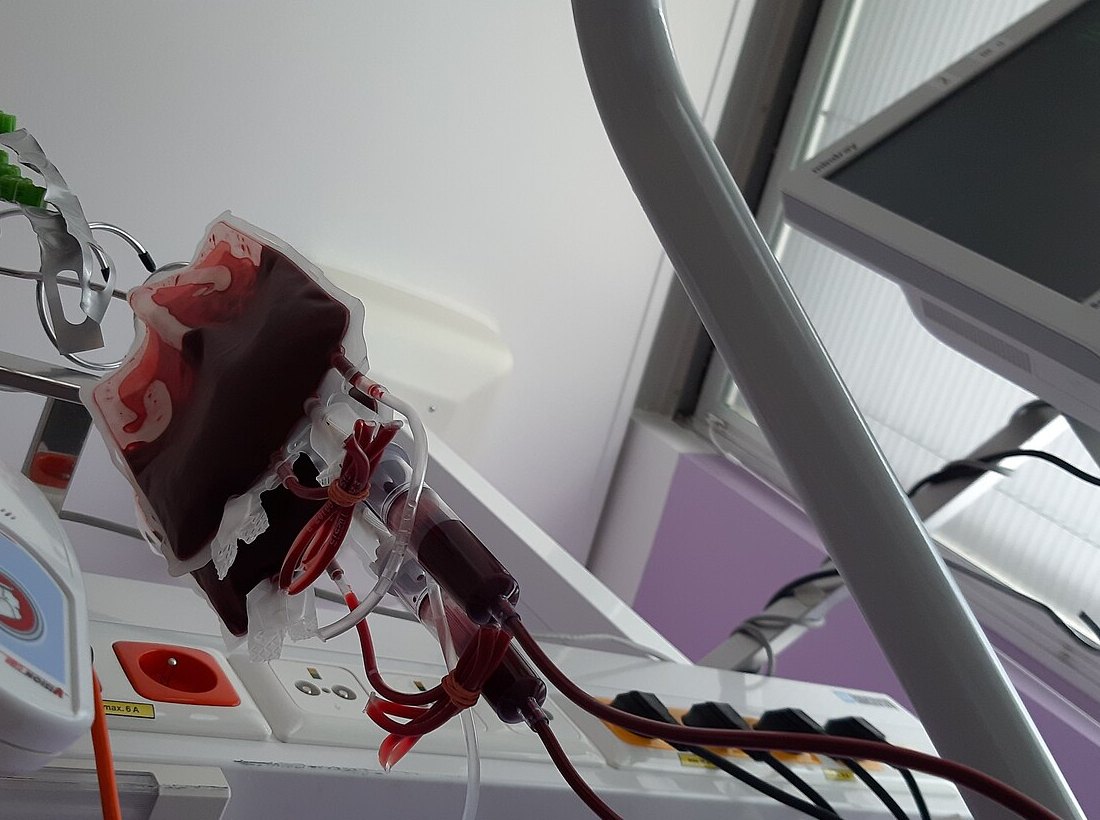
Image: Wikimedia Commons, CC0
Why anaemia management is central to PBM
Pre‑operative anaemia is the single most common and most modifiable risk factor for allogeneic red cell transfusion. It is present in approximately 30–40‑45‑50‑60% of patients undergoing major surgery, is independently associated with increased length of stay, wound complications, infection, cardiac events, readmission and mortality, and it predicts transfusion. Because iron deficiency is the dominant reversible cause, iron therapy sits at the heart of PBM.
| Phase of care | PBM activity | Typical interventions |
|---|---|---|
| Pre‑operative (≥ 4‑6 weeks before) | Screen, diagnose and treat anaemia | CBC + ferritin, reticulocytes, renal & inflammatory markers; coeliac screen; occult blood / endoscopic referral; oral or IV iron; vitamin B12/folate; manage menorrhagia; nutritional optimisation; smoking cessation and exercise prehabilitation |
| Pre‑operative (days before) | Minimise further losses | Avoid preoperative autologous donation where possible; minimise phlebotomy; minimise crossmatch specimen volume; plan for cell salvage; stop anticoagulants/antiplatelets appropriately |
| Intraoperative | Blood conservation & damage control | Minimally invasive / laparoscopic technique; cell salvage with washing and re‑infusion; acute normovolaemic haemodilution; topical and surgical haemostatic agents; permissive hypotension; tranexamic acid; warming; avoiding hypoperfusion |
| Perioperative / critical care | Appropriate transfusion | Restrictive thresholds; 1:1:1 component ratio in major haemorrhage; targeted haemostatic resuscitation; viscoelastic testing; single‑unit discipline; documented indication for every unit |
| Post‑operative / ward | Reassess & treat | Recheck CBC after each unit; stop transfusion once symptoms resolve; treat iron deficiency to support rehabilitation; mobilise early to reduce venous thromboembolism; discharge counselling |
| Long term / chronic disease | Sustain haematopoiesis | Chronic kidney disease and haemodialysis protocols; ESA with careful iron targeting; avoid iron overload; tumour/chemotherapy anaemia pathways; heart failure pathways |
02 The Three Pillars of PBM 3 Pillars of PBM
The standard mnemonic framework. Every PBM activity maps onto one of these three pillars.
Optimise the patient's own blood
Screen for and aggressively treat anaemia and iron deficiency before it becomes a transfusion problem. Prevent avoidable loss of blood volume (phlebotomy, deficiency, occult bleeding).
Blood conservation
Reduce physiological and iatrogenic blood loss and re‑use the patient's own shed blood: cell salvage, acute normovolaemic haemodilution, minimally invasive surgery, haemostatic agents, and avoidance of unnecessary preoperative autologous donation.
Appropriate blood product use
Transfuse the right component, for the right patient, at the right time, in the right amount — using restrictive thresholds, single‑unit discipline, balanced ratios in haemorrhage, and a documented indication for every unit issued.
The overarching goal
Transfuse fewer patients, less often, with less blood — while improving rather than compromising outcome. PBM is not simply "withhold transfusion"; it is a structured replacement of unnecessary transfusion with proactive, evidence‑based optimisation.
03 Principles in Practice 9 Principles
Nine operational principles, each with the practical action it translates to.
-
Anaemia is a predictable, treatable risk — identify it early enough to act
Surgical programmes should have a defined preoperative anaemia pathway with a screening timepoint sufficiently early (generally ≥ 4–6 weeks pre‑operatively) that oral iron can still work and IV iron can be given in time to raise haemoglobin.
- Pre‑operative screening should be risk‑stratified, and ideally use existing preoperative bloods rather than creating a new test encounter.
- Screen in all patients with predicted transfusion risk, and in patients with known CKD, heart failure, inflammatory disease or malignancy.
- Do not postpone urgent surgery solely to optimise haemoglobin — the anaemia pathway must run in parallel with the surgical pathway.
-
Iron deficiency is the commonest reversible cause — diagnose the specific deficiency
Investigate and replace what is actually missing: iron, B12, folate, erythropoietin response, or the underlying blood loss. Do not reflexively transfuse red cells for a condition that responds to iron in 4–6 weeks.
- In adults, iron deficiency anaemia is a sentinel for gastrointestinal blood loss until proven otherwise — bidirectional endoscopy, coeliac serology, and consideration of small bowel imaging or capsule endoscopy as indicated.
- Distinguish true iron deficiency from anaemia of chronic disease/inflammation, from haemoglobinopathy trait (particularly relevant in Malaysian and Southeast Asian populations), and from sideroblastic or aplastic states.
-
Minimise iatrogenic blood loss
Laboratory sampling is a quantifiable, cumulative iatrogenic loss, especially in ICU and long‑stay patients.
- Use the smallest appropriate volume tubes; discard only what analysis requires.
- Reduce sampling frequency; consolidate tests into a single draw where clinically safe.
- Avoid microvascular access sets for blood sampling; use large‑bore peripheral/cannula sampling appropriate to the line.
- Audit laboratory "red cell wastage" as a formal PBM metric.
-
Use restrictive, evidence‑based transfusion triggers
Transfuse on clinical and haematological grounds, not on habit or on a single arbitrary number. Restrictive thresholds are non‑inferior to liberal strategies in most critically ill and perioperative populations.
- Default adult trigger Hb 70 g/L (7 g/dL) in stable, non‑bleeding patients.
- Transfuse regardless of haemoglobin if there is symptomatic anaemia, active significant bleeding, or severe hypoxia — symptoms override numbers.
- Use higher individualised thresholds in myocardial ischaemia, stroke, sickle cell disease, ECMO/VA‑ECMO, neonates and critical congenital heart disease.
-
Transfuse one unit at a time, and re‑measure
A single adult unit of packed red cells has a volume of roughly 250–300 mL and should raise haemoglobin by approximately 10 g/L in a 70 kg adult.
- Transfuse one unit, then reassess clinically.
- Recheck the full blood count 12–24 hours after the unit (and no later than 4–6 hours) before considering a second.
- Record an explicit indication, and reassess ongoing need daily while a patient remains anaemic.
- Be aware of storage lesion: red cell quality declines with time in storage, and prolonged storage is associated with more infection and thrombotic events. This is a further reason not to transfuse "just in case".
-
Match the product to the clinical problem
Red cells are for oxygen carriage; plasma is for coagulation factor replacement; platelets are for platelet‑dependent haemostasis. Using the wrong component causes harm and depletes supply.
- Red cells are not a volume expander and are not a treatment for anaemia that is correctable with iron or haematinics.
- In major haemorrhage, use a balanced 1:1:1 ratio of red cells : plasma : platelets as a starting strategy, then transition to a haemostasis‑directed (goal‑directed) approach using fibrinogen and viscoelastic testing.
- Replace fibrinogen early — target ≥ 1.5 g/L in bleeding and ≥ 2.0 g/L in trauma or major obstetric haemorrhage; give cryoprecipitate or fibrinogen concentrate if low.
- Give tranexamic acid early (within 3 hours of birth in obstetric haemorrhage; 1 g over 10 minutes then 1 g over 8 hours in trauma), alongside active PBM.
-
Use blood conservation modalities actively
Autologous and cell‑salvage techniques return the patient's own blood, which is warm, fresh, ABO/Rh identical and free of donor alloimmunisation risk.
- Intraoperative cell salvage — aspiration of shed blood, washing, concentration and re‑infusion; reduces allogeneic requirement, particularly in cardiac, obstetric, urological and trauma surgery.
- Acute normovolaemic haemodilution — controlled preoperative haemodilution with autologous crystalloid/colloid and reinfusion after surgery.
- Preoperative autologous donation — used sparingly; it may itself worsen preoperative anaemia and haemodilute iron stores, and is largely superseded by cell salvage and anaemia treatment.
- Paediatric delayed cord clamping and avoidance of unnecessary blood sampling in neonates.
-
Governance, audit and education
PBM sustains itself only as a governed clinical programme, not as an individual clinician's preference.
- Establish a multidisciplinary PBM team with clinical, laboratory, pharmacy, anaesthetic, surgical, nursing and administrative representation, plus patient representation.
- Write, ratify and audit local guidelines for screening, iron prescribing, transfusion triggers and monitoring.
- Audit core metrics: percentage of elective surgical patients screened preoperatively; percentage of anaemic patients investigated and treated; units transfused per 1,000 elective procedures; single‑unit compliance rate; laboratory wastage; documented indication rate.
- Educate in undergraduate and postgraduate curricula (medical, nursing, pharmacy, allied health) and involve patients and the public.
-
Promote patient involvement and shared decision‑making
PBM is also a patient empowerment agenda: informed patients decline unnecessary transfusion more often, accept iron treatment more readily, and manage anaemia in the community.
- Explain that transfusion carries defined but real risks (delayed haemolytic reaction, TRALI, TACO, allergic reaction, infection window, alloimmunisation, iron overload) and is not risk‑free.
- Set shared transfusion decision‑making plans for patients likely to need multiple units (e.g. haematological malignancy, myelodysplasia, sickle cell disease), recorded in the notes and honoured across shifts.
- Provide written information on oral iron adherence, dietary iron, bleeding red flags, and when to seek review.
04 Transfusion Triggers & Major Haemorrhage
Reference thresholds for the most common clinical contexts.
| Clinical context | Trigger (Hb, g/L) | Notes |
|---|---|---|
| Stable adult, critically ill, perioperative | 70 | Default restrictive threshold; recheck Hb 12–24 h after each unit |
| Ongoing active bleeding | Not Hb‑driven | Transfuse on physiology and haemostatic need; use massive haemorrhage protocol |
| History of ischaemic heart disease / high CV risk | 80 | Consider symptoms, ECG, cardiac biomarkers; do not transfuse for heart failure alone |
| Severe heart failure (NYHA III–IV) | 80–90 | Treat iron deficiency; transfusion gives little benefit and risks volume overload |
| Sickle cell disease (steady state) | 70–90 | Target higher Hb to suppress vaso‑occlusive crisis; avoid hyperviscosity |
| ECMO / VA‑ECMO | 70–90 | Higher targets generally, guided by oxygenation and microcirculatory signals |
| Post‑operative, low bleeding risk | 80 | Frequently transfusible without benefit; prefer iron therapy for iron‑deficient patients |
| Neonates / infants | Individualised (100–130) | Physiological anaemia is expected; transfuse for clinical compromise, not to normalise Hb |
| Thalassaemia major / transfusion‑dependent | Pre‑transfusion target | Target a pre‑transfusion Hb that suppresses ineffective erythropoiesis and extramedullary haematopoiesis; monitor iron overload |
Component targets in massive haemorrhage
| Component | Target | Action if below |
|---|---|---|
| Platelets | > 50 × 109/L (100 × 109/L for CNS or cardiovascular surgery) | Platelet concentrate; 1 pooled adult unit ≈ 60 × 109/L |
| Fibrinogen | > 1.5 g/L (≥ 2.0 g/L in trauma / obstetric haemorrhage) | Cryoprecipitate (≈ 2 g per 10 unit pool) or fibrinogen concentrate |
| INR / PT | < 1.5 (trauma; less aggressive if head injury) | Fresh frozen plasma, 10–15 mL/kg; consider PCC if urgent reversal of VKA |
| APTT | < 1.5 × upper limit of normal | FFP ± specific concentrate guided by viscoelastic testing |
| Calcium (ionised) | > 1.0 mmol/L | Calcium chloride or calcium gluconate — citrate in massive transfusion chelates calcium |
| Temperature, pH, lactate | > 37 °C, pH > 7.2, lactate falling | Active warming, limit crystalloid, consider a "lethal triad / diamond" checklist |
13 Availability in Malaysia — Practical Notes Malaysia formulary
What is in use locally, and the governance required to use it safely.
| Preparation | Typical Malaysian setting | Funding & access notes |
|---|---|---|
| Iron sucrose | All levels — MOH hospitals, clinics, dialysis units, obstetrics | On MOH and most private formularies; the most widely stocked and lowest cost IV iron; reference agent for CKD/dialysis protocols |
| Ferric carboxymaltose | All levels — increasingly first choice for total‑dose therapy | Commonly included in JKN reimbursable programmes, notably for post‑operative anaemia; confirm the registered high‑volume strength and the current indication |
| Ferric derisomaltose | Tertiary referral centres, private hospitals | Registered; formulary listing and JKN coverage variable — may require prior approval or clinician justification |
| Iron isomaltoside | Tertiary centres, selected private hospitals | Registered; limited routine reimbursement. Fall back to a first‑line preparation if unavailable |
| Low‑MW iron dextran | Hospitals where cost is the overriding constraint | Registered; test‑dose and anaphylaxis policy required. Largely superseded clinically |
| IV ferrous gluconate | Haemodialysis units, some hospitals | Hospital use; part of established dialysis protocols. Distinct from the widely used oral ferrous fumarate |
| Ferumoxytol | Tertiary centres, private hospitals | Registered but expensive and limited access; highest cost per mg of iron; not a routine first‑line choice |
| Oral iron (context) | Primary care, all levels | Ferrous sulfate / ferrous fumarate are inexpensive and universally available — optimise these before escalating to IV |
Local governance checklist for an IV iron service
- Approved indication and criteria in a written local guideline (who gets IV iron, and when).
- Standardised dosing calculation with a single agreed formula, printed on the administration chart or available as a simple electronic calculator.
- Prescribing and administration by protocol — in many hospitals IV iron is nurse‑administered under a standing order, which is a safe and efficient PBM model when governed properly.
- Staff competency and anaphylaxis readiness — resuscitation equipment, emergency drug access, and documented 30‑minute observation.
- No co‑administration policy with other IV medicines, and documented compatibility exceptions only.
- Monitoring and stop rules built into the order set, with ferritin rechecking and a hard stop at the ferritin ceiling.
- Blood bank and pharmacy liaison — quantify the reduction in allogeneic red cell issues attributable to the programme (this is the metric that justifies the investment).
- Audit: units transfused per 1,000 surgical procedures, proportion of preoperative patients screened and treated, single‑unit compliance, documented indication rate, IV iron doses given and iron deficiency resolved.
14 References & Further Reading
Verify all dose figures against the current locally registered product label before clinical use.
- International Collaboration on Transfusion Management (ICM). International hemovigilance / PBM resource pages. Available from: icm-society.org
- European Society for Anaesthesiology (ESA) / European PBM Network. Modern Blood Management in Anaesthesiology and Intensive Care — courses and PBM recommendations.
- AABB / American Red Cross. Blood Transfusion Guidelines — restrictive transfusion thresholds and quality transfusion practice.
- British Society for Haematology (BSH). Guidelines for the management of iron deficiency anaemia, including parenteral iron dosing and post‑operative anaemia management.
- European Society of Anaesthesiology and Intensive Care / European Society of Internal Medicine (ESICM). Intravenous iron formulations, dosing strategies and the IRON and FERRARI trial programmes.
- KDIGO. Clinical Practice Guideline for Anaemia in Chronic Kidney Disease — iron targets and ESA use.
- World Health Organization. Guidance on the Appropriate Use of Blood Products — the pillars of PBM and appropriate transfusion practice.
- Malaysian Ministry of Health (MOH). National Clinical Practice Guidelines and Pharmacotherapy circulars (anaemia in CKD, anaemia in pregnancy, management of iron deficiency anaemia). Available from clinicalguidelines.moh.gov.my and pharmacy.gov.my.
- National Pharmaceutical Regulatory Agency (NPRA), Malaysia. Registered product particulars for all parenteral iron preparations. Available from: npra.gov.my (product registration search).
- Asian Australasian Society for Transfusion Medicine (AAST). Regional PBM standards and transfusion guidelines.
- Locally registered product information leaflets (SmPC/PIL) for Venofer, Ferinject/Injectafer, Monoferic, Monferric, INFeD, Ferrlecit and Feraheme — for exact concentrations, dilution limits, infusion times and licensed maximum single doses.
- Resuscitation Council UK (RCUK) / ANZAAG. Emergency treatment of anaphylaxis — adrenaline dosing, refractory anaphylaxis and observation periods. Adapt to your national resuscitation guideline.
- Association of Anaesthetists / national perioperative anaphylaxis registries. Perioperative anaphylaxis guidance and the drug classes most commonly implicated in IV iron reactions.
- European Medicines Agency / national regulators. Product‑specific warnings, including the ferumoxytol boxed warning for severe hypotension and the ferric carboxymaltose warnings for hypersensitivity and hypophosphataemia.
Disclaimer
This page is an educational and reference resource compiled for clinical teaching. It is not a substitute for current product labelling, national clinical practice guidelines, or individual clinical judgement. All doses, diluents, infusion times and maximum single doses must be verified against the currently registered Malaysian product label and your institution's protocol before administration. Product availability, registration status and prices change — confirm with NPRA, the MOH formulary and the JKN benefit schedule at the time of prescribing.
Patient Blood Management & Iron Deficiency Anaemia · Educational reference page · Compiled for clinical teaching use · Sections: principles of PBM · outline of IDA treatment · comparison of parenteral iron therapy.