Bone Marrow Examination
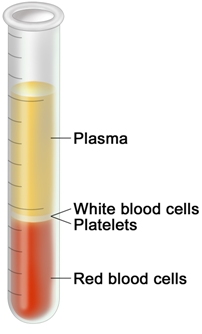
Bone marrow is the blood-producing factory. An examination helps diagnose blood diseases and assess response to treatment.
What is Bone Marrow?
Bone marrow is the spongy or hollow part of the bone. It is the blood-producing factory of the body.
Who needs a bone marrow test?
To diagnose blood diseases and to determine the status / response after treatment.
Common Misperception!
A bone marrow examination is NOT a lumbar puncture.
Lumbar puncture: needle into the spine. Bone marrow test: needle into the pelvic bone (usually).
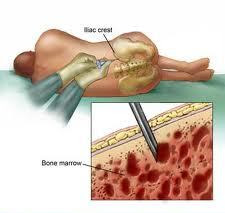
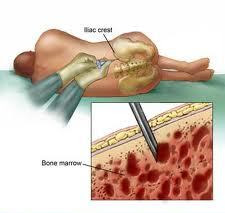
How is this done?
- Only single-use, disposable needles are used.
- Usually the pelvic bone is chosen.
- No knife or blade is used during bone marrow examination.
Pain Relief
You will be given local anaesthetic (LA) (an injection) to numb the area where you are going to be pricked with a bone marrow needle.
In addition to LA, you are given a choice to have sedation (light sleep) for about 5–10 minutes during the procedure.
A bone marrow examination usually consists of two parts:
- Aspiration — liquid marrow sample
- Trephine biopsy — small core of bone marrow tissue
The whole process usually takes about 10–15 minutes. It can be done as a daycare procedure.
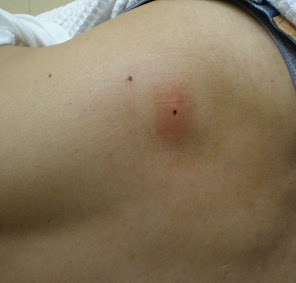
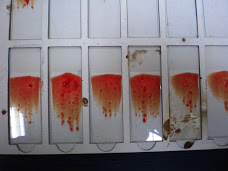
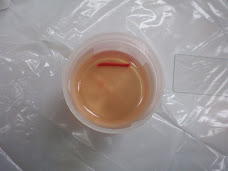
After the procedure
- You should be able to walk after the procedure.
- Leave the hospital accompanied by a companion if you had sedation.
- Pain-killer for about 1 day or when necessary.
- Normal activities should resume the next day.
- Observed for a minimum of 2 hours if sedated, before leaving.
- You can shower with the transparent dressing on.
- Dressing may be removed after three days.
- There is no stitch to be removed.
Turn-Around Time
An accurate diagnosis is of prime importance. Turnaround times differ:
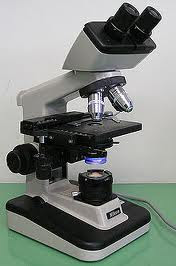
- Morphology tests: ~ 2–7 days
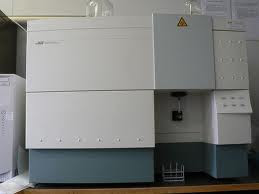
- Flow cytometry: ~ 3–7 days
- Cytogenetics: ~ 2–3 weeks
- FISH analysis: 5–7 days
- Molecular tests: variable (often 1–3 weeks)

Medical disclaimer: Content on this website is for patient education only. It is not a substitute for professional medical advice, diagnosis, or treatment. Always consult your doctor about your individual condition.