CAR-T Cell & Mesenchymal Stem Cell (MSC)
Advanced cellular therapies — engineered T cells and multipotent mesenchymal stem cells.
CAR-T Cell Therapy
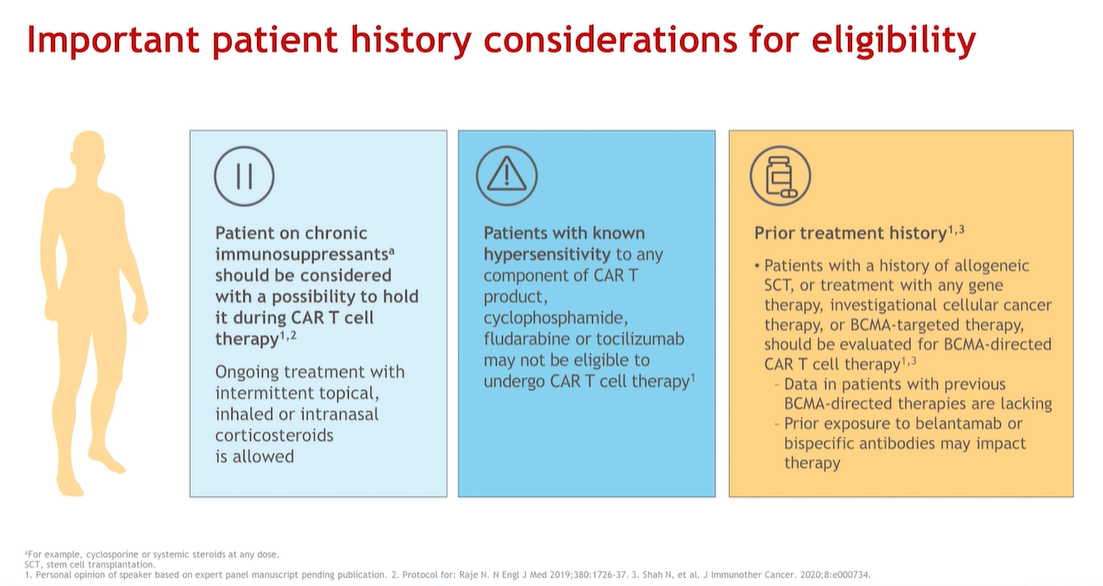
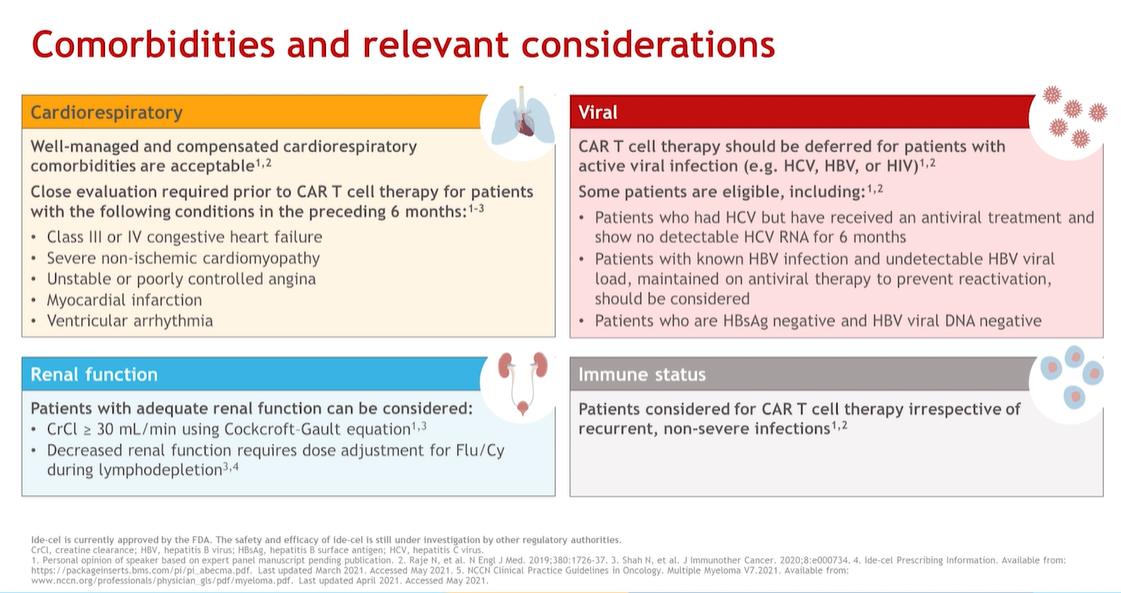
For selected patients with relapsed/refractory blood cancers such as DLBCL and multiple myeloma.
CAR-T Process & Cytokine Release Syndrome (CRS)
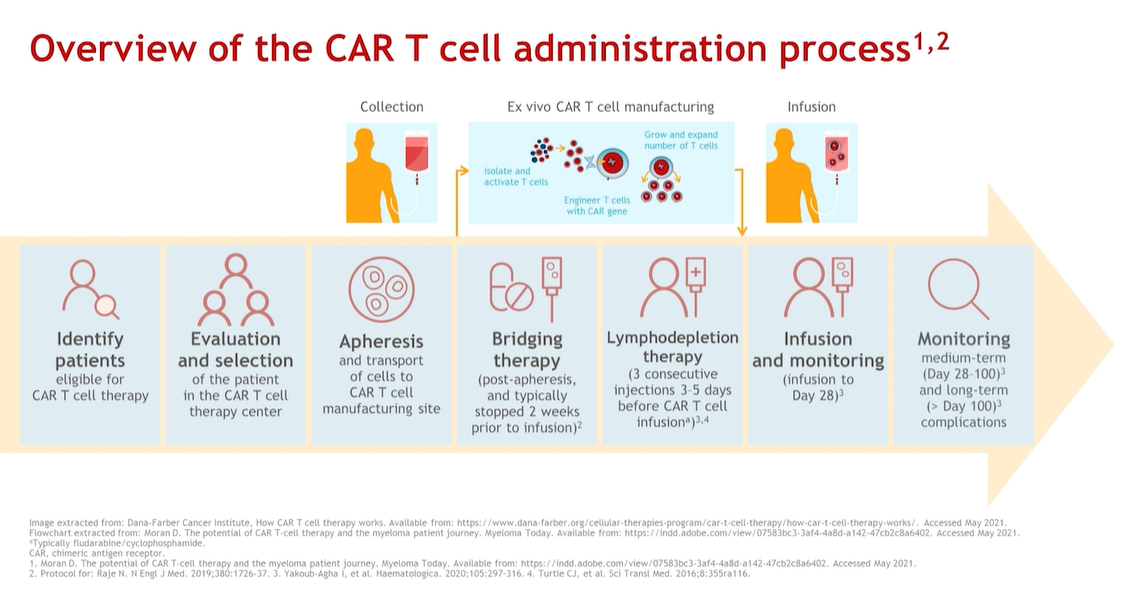
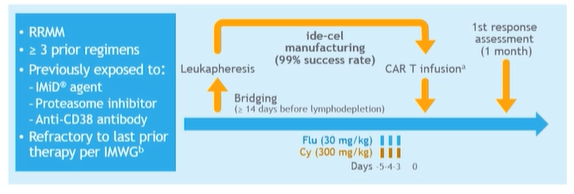
CAR-T therapy typically involves leukapheresis (collecting the patient's T cells), manufacturing of engineered CAR-T cells, lymphodepleting chemotherapy, then CAR-T infusion. Close monitoring is required for toxicities.
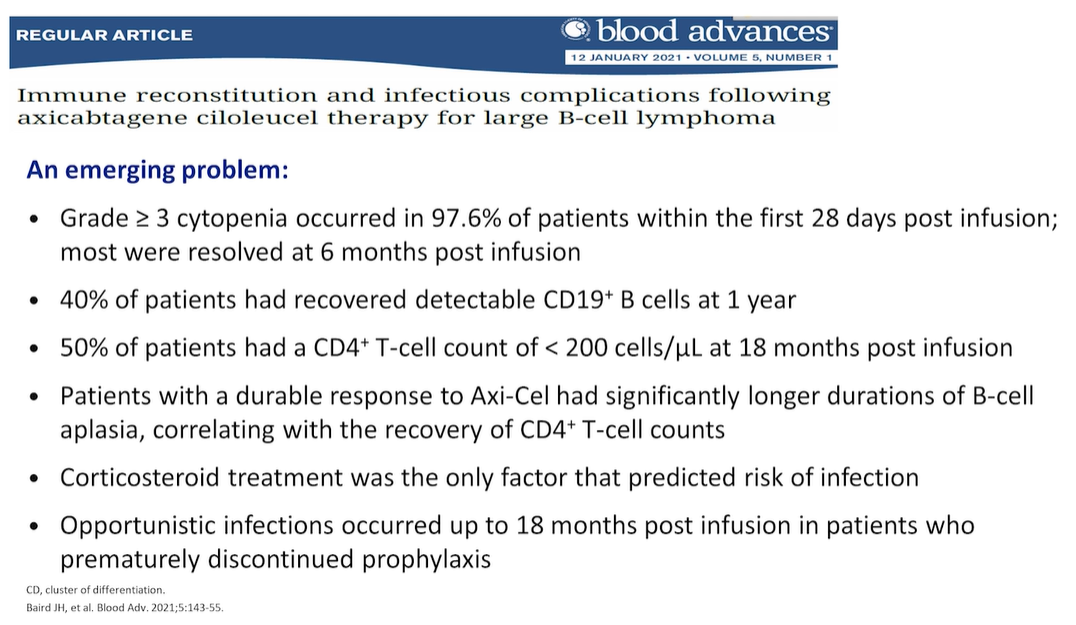
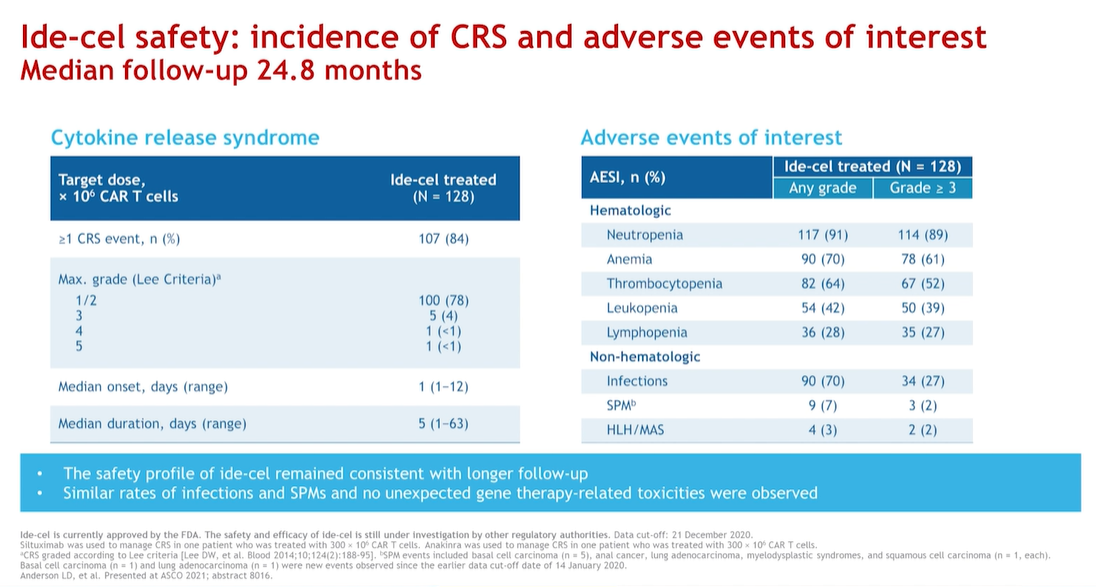
Cytokine Release Syndrome (CRS) is an important possible side effect when activated immune cells release large amounts of cytokines. It can range from mild fever to severe illness requiring specialist care. Discuss risks, monitoring and management with your haematology team before treatment.
CAR-T for Lymphoma
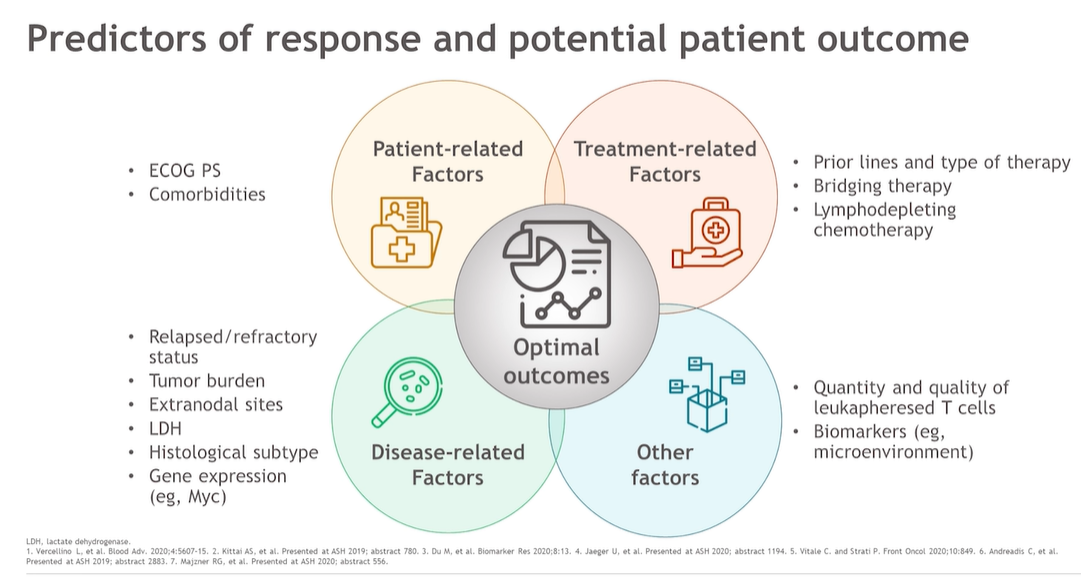
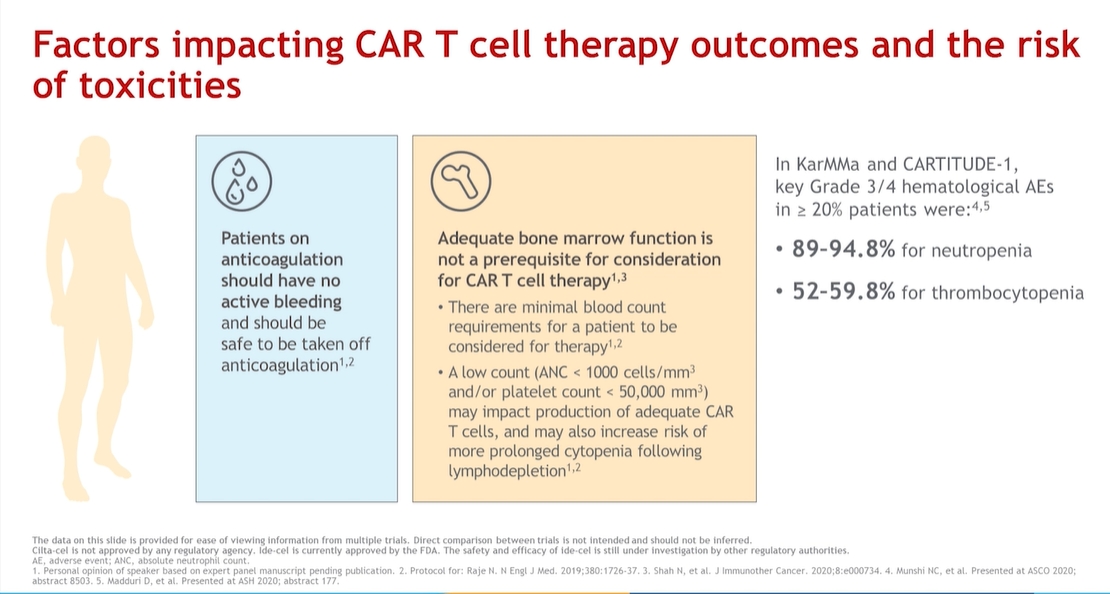
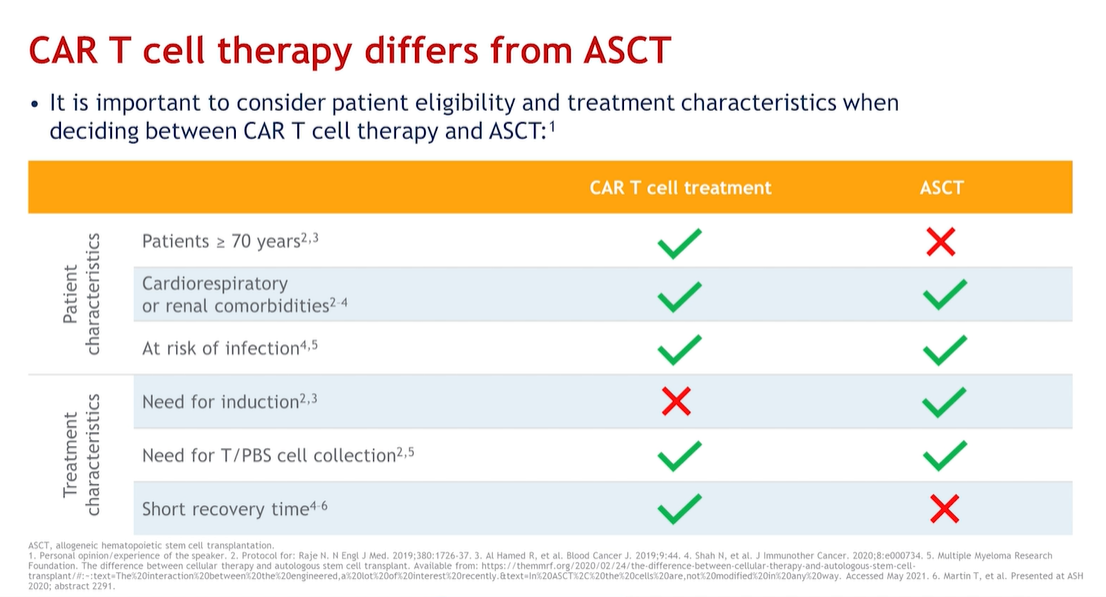
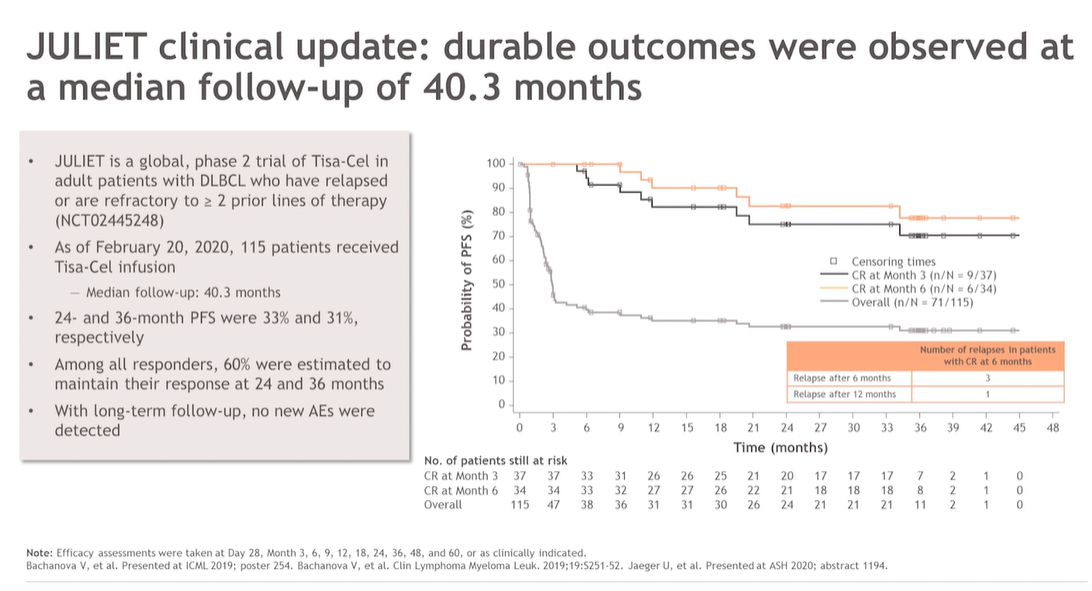
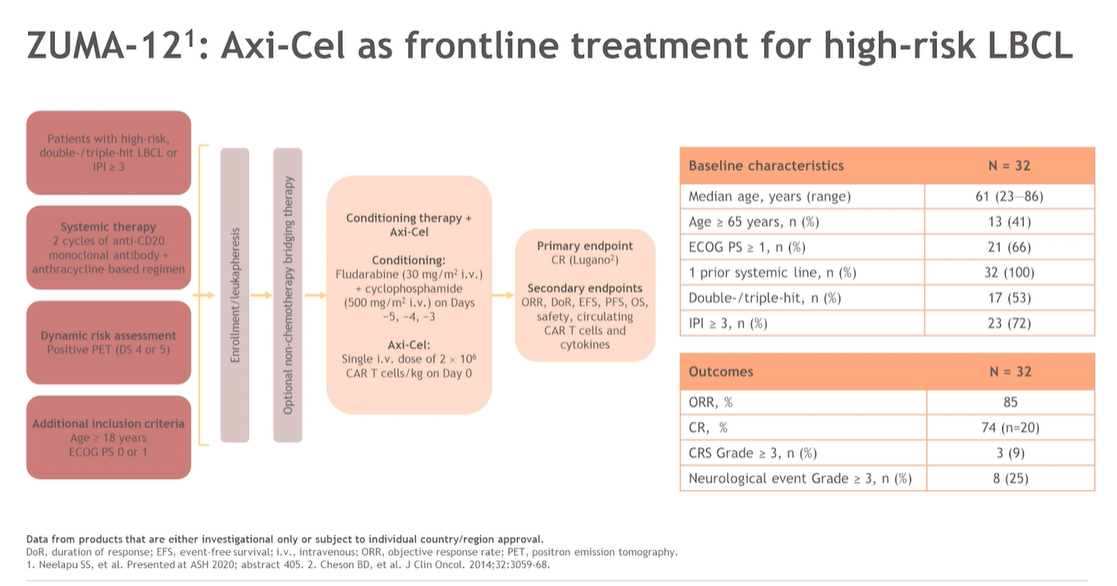
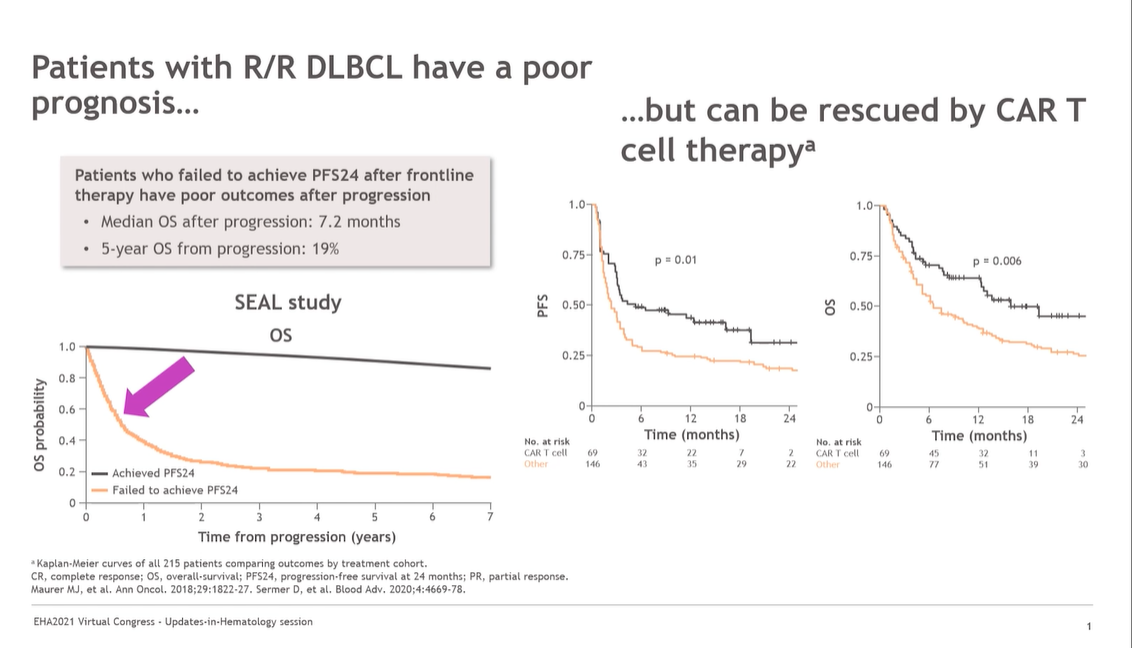
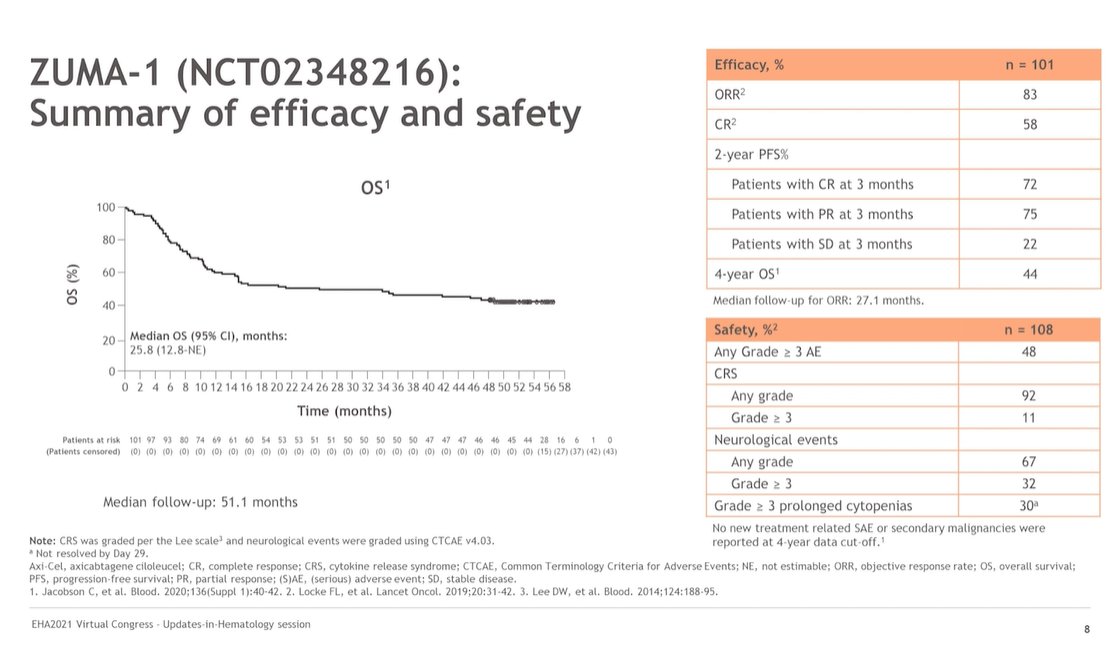
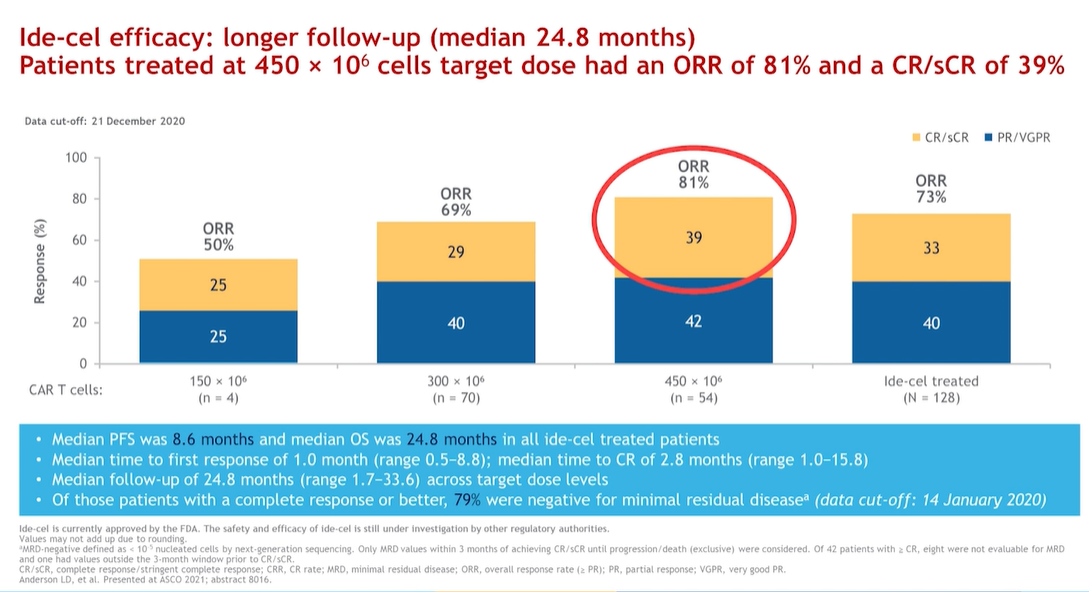
Patients with R/R DLBCL who have poor prognosis after standard therapy may be rescued by CAR-T cell therapy. Discuss eligibility, manufacturing timeline, and toxicities (including Cytokine Release Syndrome) with your haematologist.
CAR-T for Myeloma

Mesenchymal Stem Cells (MSC)
What are stem cells? Stem cells are the foundation cells in our bodies. Throughout our lives, our own stem cells continuously replace injured tissues and cells that are lost every day, such as those in our skin, hair and blood. Stem cells have two key properties: (1) the ability to self-renew and reproduce, and (2) the ability to differentiate into different functional cell types that make up our organs and tissues.
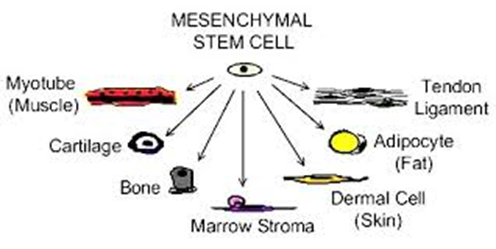
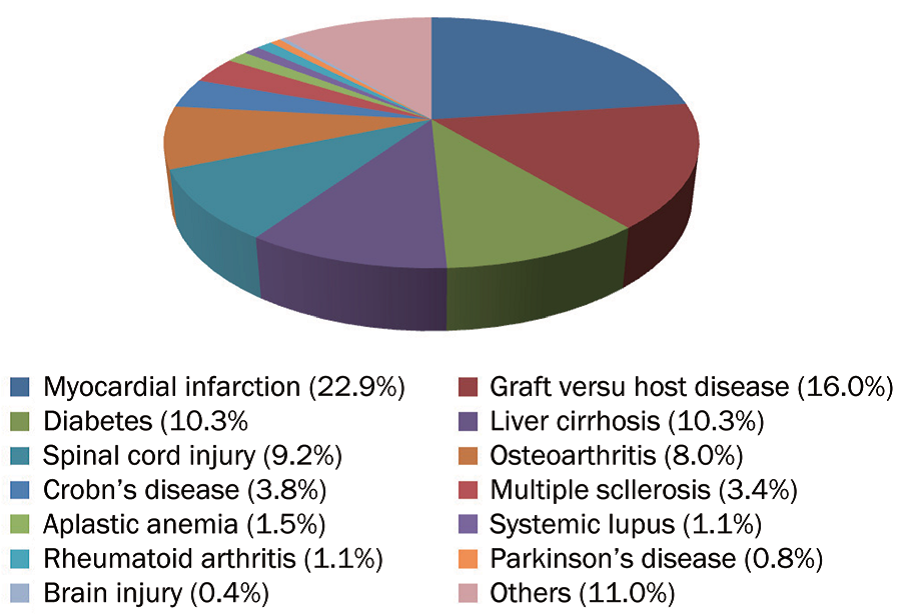
What are MSCs? Mesenchymal stem cells are stromal cells that can self-renew and exhibit multilineage differentiation into a variety of cell types including bone, cartilage, fat and other cells. MSCs have been studied in many conditions (research interest includes GVHD, myocardial infarction, diabetes, liver cirrhosis, spinal cord injury, osteoarthritis, Crohn's disease, multiple sclerosis, aplastic anaemia, lupus, rheumatoid arthritis and others).
Types of Stem Cells
- Adult stem cells — haematopoietic stem cells & mesenchymal stem cells
- Embryonic stem cells (ES)
- Induced pluripotent stem cells (iPS)
There are serious ethical concerns with ES; ES and iPS also have potential for teratoma formation.
What is exciting about MSC?
- Free of ethical concern and teratoma formation
- Self-renewal ability; can differentiate into various cell types
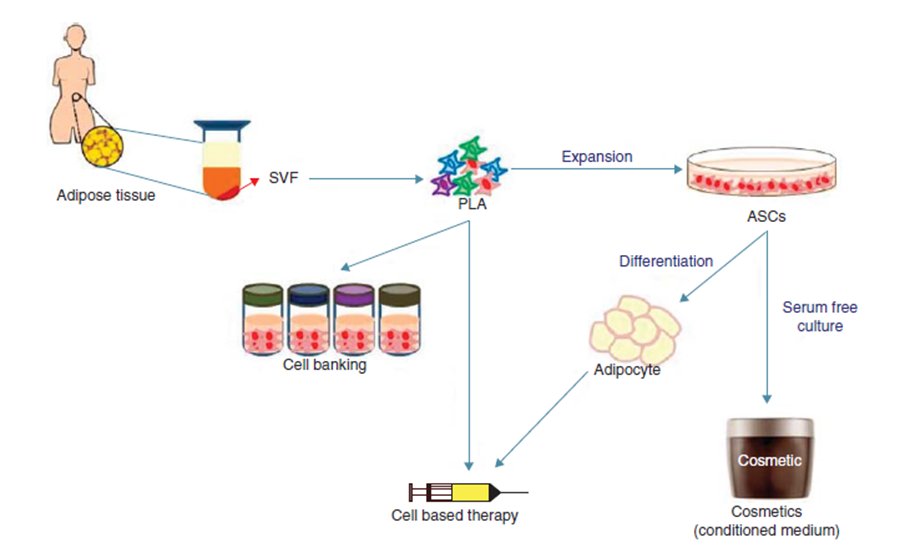
- Easily isolated from bone marrow, adipose tissue, umbilical cord; expandable in vitro
Immune Regulation Capacity
- Treatment of graft-versus-host disease in patients receiving bone marrow/stem cell transplantation
- Potential roles in Systemic Lupus Erythematosus, Crohn's disease and other immune / non-immune conditions under research
Tissue Repair
MSCs can repair tissue injury — they are involved in growth, wound healing, and replacing cells lost through daily wear and tear and pathological conditions (e.g. liver cirrhosis, diabetic limb, bone damage, burn-induced skin defects, cornea damage, spinal cord injury).
MSCs may engraft into damaged tissue for prolonged periods after transplantation and undergo site-specific differentiation depending on their location.
Delivery of MSCs
- Intravenous route — MSCs "home" to site of injury/damage
- Direct local injection into site of injury/damage
MSCs may engraft into damaged tissue and undergo site-specific differentiation into cartilage, fat, muscle, heart muscle, or bone marrow cells depending on location.
Medical disclaimer: Content on this website is for patient education only. It is not a substitute for professional medical advice, diagnosis, or treatment. Always consult your doctor about your individual condition.