Neutropenia & Treatment
When neutrophil counts are low, infection risk rises. Learn severity grades, fever response and growth factor therapy.
What is a Neutrophil?
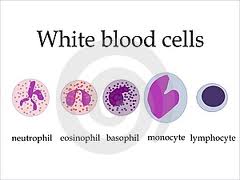
Neutrophil is a type of white blood cell. Types of white cells: neutrophils, lymphocytes, eosinophils, basophils and monocytes. Neutrophils constitute about 45–75% of all white blood cells and defend the body against infections.
ANC calculation: Total WBC (uL) × % of neutrophils = neutrophil count (cells/uL)
| Neutrophil Count (cell/uL) | Risk of Infection |
|---|---|
| < 500 — Significant neutropenia | High risk — significant measures required |
| 500–1000 — Moderate | Moderate risk — sufficient measures required |
| 1000–1500 — Mild | Slightly increased risk — certain measures required |
Neutropenic Fever
Any fever (body temperature above 38.5°C) in a patient with neutropenia must be taken seriously. See a doctor as soon as possible for antibiotics. Severe infections may require hospital admission for IV antibiotics.
Signs & Symptoms of Infection
Fever, chills, headache. Stomatitis, swollen/painful gums, perianal pain, skin eruptions. Most infections occur in lungs, mouth/throat, sinuses and skin.
How to Reduce Infection
Personal Hygiene
Mouth care: gargle before/after meals and at bedtime; soft toothbrush; clean dentures.
Skin: avoid cuts when shaving or using knives.
Handwashing: before eating, after bathroom, after returning home.
Body: shower daily; clean rectal area with water after bowel movement; avoid constipation.
Preventing Infection from Others
- Avoid crowded areas (cinema, mall)
- Keep away from anyone with flu, rash or infections
- Consider wearing a mask
- Stay away from people who just received vaccination
- No fresh flowers or potted plants in room
- Do not clean up pet droppings
Food & Drink
- Eat fresh food; drink clean boiled water
- Wash vegetables/fruits thoroughly; peel fruit
- Avoid food cooked too long ahead; avoid reheating repeatedly
- Refrain from: raw fish, undercooked meat, uncooked vegetables, fermented food, unknown water/ice, unhygienic stalls
See full Neutropenic Diet.
For Adults Only
- You can have sex with your partner as frequently as desired, but keep your genital area and fingers clean.
- Avoid sex when your partner has a cold or when your neutrophil count is very low.
- Be sure to prevent pregnancy — chemotherapy drugs may have undesirable effects on pregnancy.
G-CSF Growth Factors
Granulocyte Colony Stimulating Factor stimulates bone marrow to make white blood cells.
Types
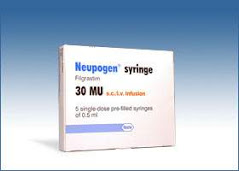
- filgrastim (Neupogen®, Gran®)
- lenograstim (Granocyte®)
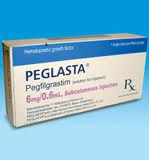
- pegylated filgrastim (Neulasta®, Peglasta®, Neulastim®)
When used?
- During chemotherapy — to shorten low white cell periods, reduce infection risk, keep chemo on schedule
- Stem cell collection — to mobilise stem cells into blood before harvest
How given?
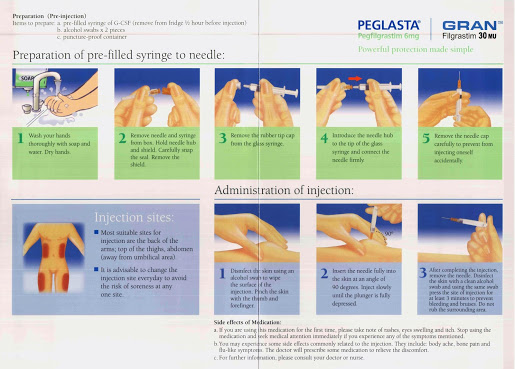
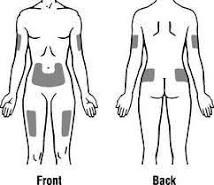
Usually subcutaneous injection. You or a caregiver can be taught home injection. Pegylated filgrastim stays active longer — often once per chemo cycle.
Storage
Filgrastim and pegylated filgrastim: fridge (not freezer). Lenograstim: room temperature — follow pharmacist instructions.
Possible Side Effects
- Bone pain (pelvis, back, arms, legs) — painkillers if needed
- Red, itchy skin at injection site
- Fever and chills — paracetamol may help
- Fluid retention — ankle swelling or breathlessness
Let your doctor know straight away if you feel unwell or have severe side effects.
Medical disclaimer: Content on this website is for patient education only. It is not a substitute for professional medical advice, diagnosis, or treatment. Always consult your doctor about your individual condition.