Thalassaemia
Inherited disorders of haemoglobin production — the most common genetic disease in the world.
What is Thalassaemia?
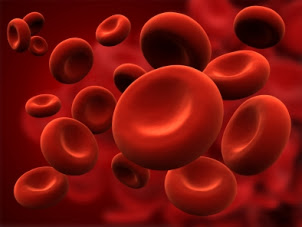
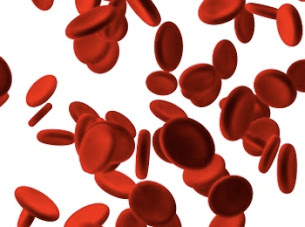
Red blood cells contain haemoglobin, an iron-rich protein that carries oxygen. Haemoglobin has alpha and beta globin chains. When genes for these chains are missing or altered, thalassaemias occur — red cells do not form correctly or carry enough oxygen.
Why test?
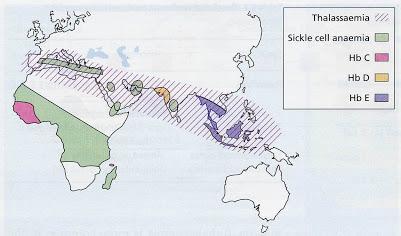
In Asia, up to 1 in 7 people are estimated to be carriers. Most carriers do not know they have it and usually have mild anaemia with smaller red cells.
How do you get it?
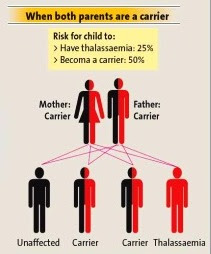
Thalassaemias are inherited. One faulty gene = carrier (often mild/no illness). Faulty genes from both parents = moderate to severe disease.
Malaysian Statistics (Malaysian Thalassaemia Registry 2009)
- Alpha-Thalassaemia carrier: 1.8–7.5%
- Beta-Thalassaemia carrier: 3–5%
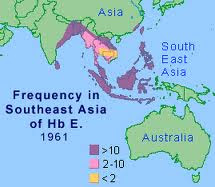
- HbE: 5–46%
Iron Chelation & Care
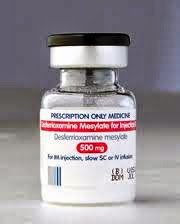
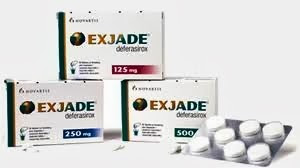
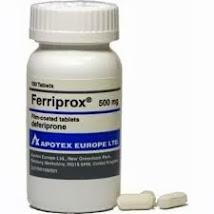
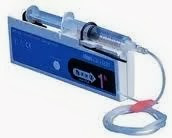
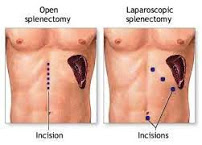
Regular transfusion can cause iron overload. Chelation options include Desferrioxamine (pump), Exjade, and Ferriprox. Some patients require splenectomy.
Thalassaemia Major — Signs, Symptoms & Treatment
If two carriers have a child, there is a 1 in 4 chance that the child has Thalassaemia Major. These cases require major treatments such as lifelong blood transfusions, iron chelation, and — for selected patients with a suitable donor — stem cell transplant.
Signs & Symptoms
- Children with Thalassaemia Major often appear healthy at birth.
- Within the first two years of life they may become pale, listless, fussy and have a poor appetite.
- They grow slowly and often develop jaundice.
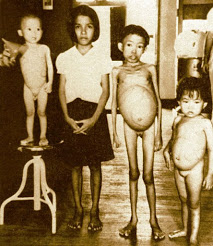
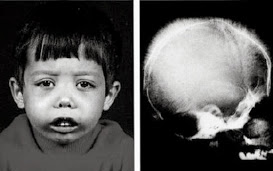
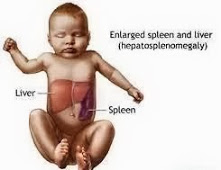
- Without treatment, the liver, spleen and heart become enlarged; bones become thin and brittle; facial bones may become distorted.
- Heart failure and infection are leading causes of death if untreated.
- Left untreated, Thalassaemia Major can result in heart failure, bone changes, spleen and liver enlargement and early death.
Treatment of Thalassaemia Major
- Patients are dependent on blood transfusion throughout their lives.
- Typical transfusion frequency is about every 3–4 weeks (individualised).
- Iron chelation is required to remove excess iron from the body (Desferrioxamine pump, Exjade, Ferriprox).
- Patients with a suitable marrow/stem cell donor should consider stem cell transplantation to cure the disease.
- Splenectomy may be necessary when transfusion requirements become too frequent.
Inheritance summary
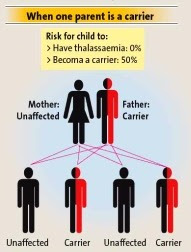
- One parent carrier: risk for child to have thalassaemia disease ≈ 0%; risk to become a carrier ≈ 50%.
- Both parents carriers: risk for child to have thalassaemia ≈ 25%; become a carrier ≈ 50%.
Beta-Thalassaemia types
| Type | Genotype (examples) | Transfusion |
|---|---|---|
| β-Thalassaemia trait / minor | β°/β or β⁺/β | Not required |
| β-Thalassaemia intermedia | β°/β⁺ or β⁺/β⁺ (variable) | Variable / not always dependent |
| β-Thalassaemia major | β°/β° or β°/β⁺ | Transfusion dependent |
| Hb E / β-thal compound | HbE with β-thal gene | Variable |
Alpha-Thalassaemia spectrum
| Form | Gene deletions (concept) | Transfusion |
|---|---|---|
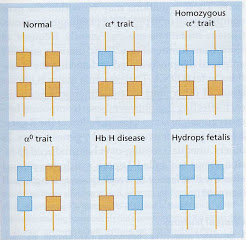
| Silent carrier | 1 alpha gene deletion | Not required |
| Alpha-thalassaemia trait | 2 gene deletions | Not required |
| Hb H disease | 3 gene deletions | Occasionally required |
| Hb H + Constant Spring | 2 deletions + Constant Spring | Occasionally required |
| Hydrops fetalis | 4 gene deletions | Severe / life-threatening |
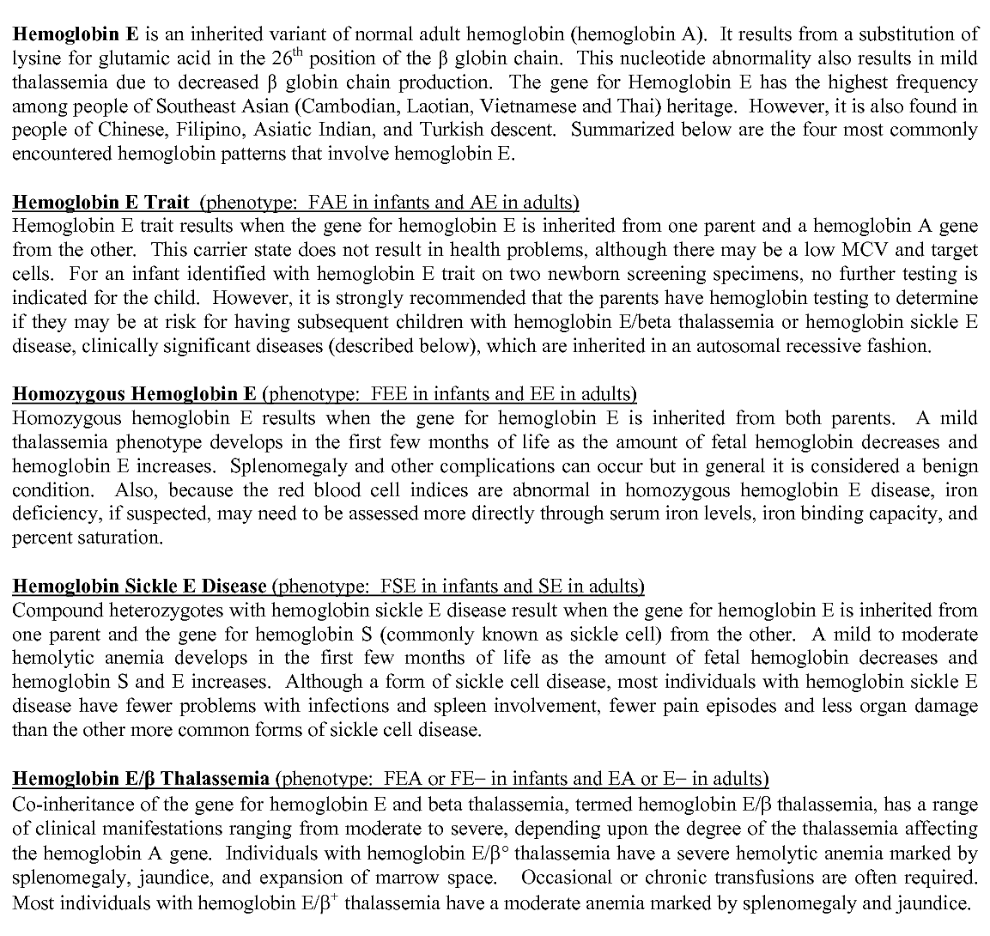
Also see Haemoglobin E fact sheet and genetics diagrams in the gallery above. SEA ovalocytosis and related red-cell disorders may coexist in some families in Southeast Asia.
Medical disclaimer: Content on this website is for patient education only. It is not a substitute for professional medical advice, diagnosis, or treatment. Always consult your doctor about your individual condition.