Nausea / Vomiting
Uncommon these days with good anti-emetic medicines. Tips: relax during chemo; avoid fried/fatty food; eat easy-to-digest food slowly; avoid bothersome odours; maintain fluid intake.
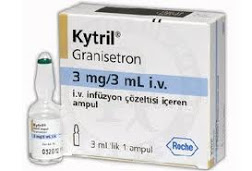
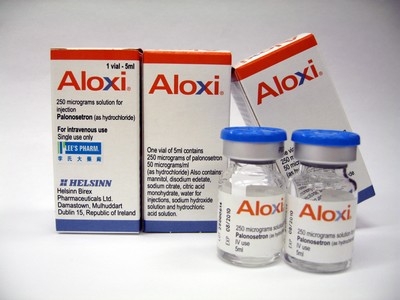
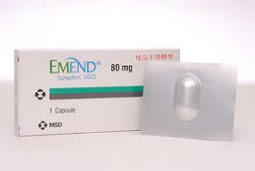
How chemotherapy is given, managing side effects, and delivery methods including chemoport and PICC lines.
Chemotherapy can be delivered by oral tablet, injection, or combination.
Each cancer is managed differently depending on:
Uncommon these days with good anti-emetic medicines. Tips: relax during chemo; avoid fried/fatty food; eat easy-to-digest food slowly; avoid bothersome odours; maintain fluid intake.
Some drugs cause no hair loss, some thinning, others complete loss. Hair usually grows back, sometimes with different texture.
Preventing hair loss: mild unperfumed shampoo; don't wash too frequently; dab dry; soft brush; avoid elastic bands, dyes, perms, alcohol products, excessive heat.
When you lose hair: consider short cut or shave; soft hat in bed; sunscreen/scarf; wig/scarf/cap if desired. Avoid perming/colouring for at least 6 months after treatment ends.
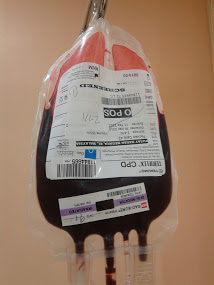
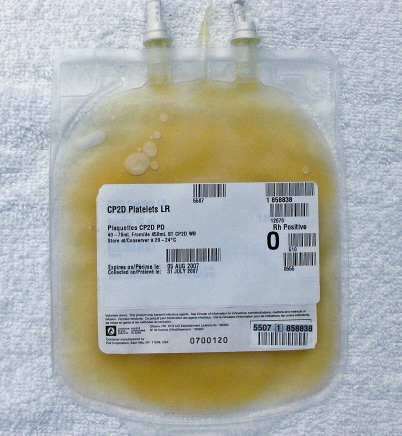
Chemotherapy can affect production of red cells, white cells and platelets.
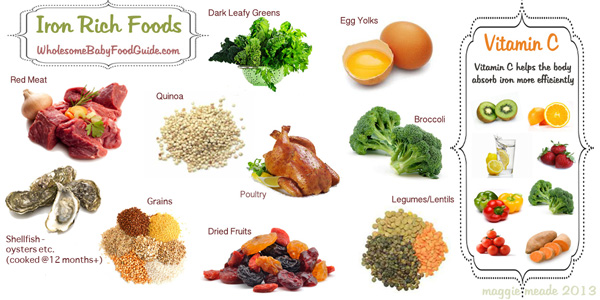
Anaemia: check Hb regularly; iron-rich diet; rest; light exercise.
Thrombocytopenia: report unexpected bruising, petechiae, bleeding gums/nose, reddish urine or black stools; avoid invasive procedures and sharp instruments; pressure on injection sites >10 minutes.
Neutropenia: high hygiene; wash hands; avoid crowds and uncooked food; no flowers/plants in room; check temperature — if >38°C inform nurse/doctor immediately. See Neutropenia page.
Diarrhoea: adequate fluids; low-residue lactose-free diet; avoid spicy/fatty foods, alcohol, tobacco; keep perianal region clean (wash with water after defecation) to prevent infection.
Constipation: high-fibre diet if appropriate (fruits, vegetables and cereals); drink plenty of fluids; warm fluids and prune juice are helpful; physical activity as tolerated.
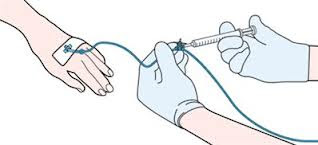
Standard peripheral IV delivery of chemotherapy drugs.
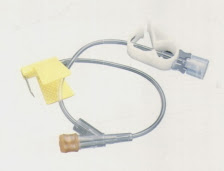
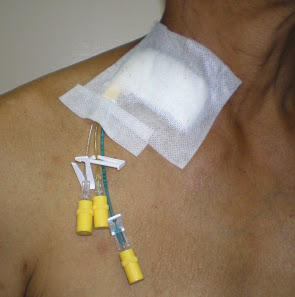
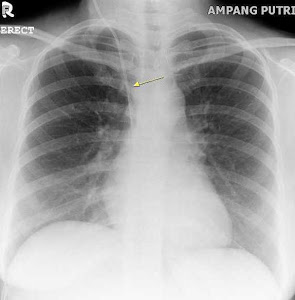
Port under the skin; catheter threaded near the heart for repeated access.
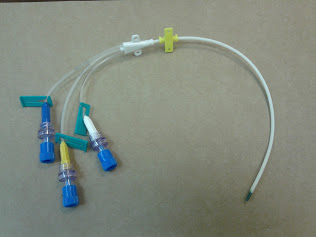
PICC enters arm vein and ends near the heart. CVC for intensive therapy.
Medical disclaimer: Content on this website is for patient education only. It is not a substitute for professional medical advice, diagnosis, or treatment. Always consult your doctor about your individual condition.