Lymphoma
A cancer of lymphocytes in the lymphatic system — Hodgkin's and Non-Hodgkin's types.
Lymphoma: Hodgkin's & Non-Hodgkin's
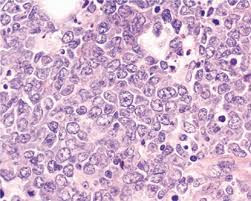
Lymphoma is a form of cancer that originates from a type of white blood cell called lymphocytes. Normal lymphocytes help the body fight infection. When some of these cells multiply uncontrollably and abnormally, they become cancerous — this is lymphoma.
Types of Lymphoma
- Hodgkin's Lymphoma (HL) — Hodgkin's Disease
- Non-Hodgkin's Lymphoma (NHL)
Symptoms of Lymphoma
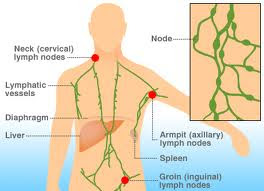
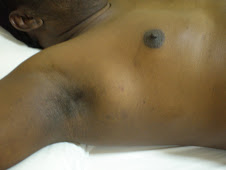
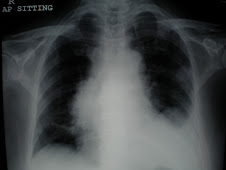
The most common symptom is painless swelling in the neck, armpit or groin. Lymphoma may also affect lungs and bowels.
Other common symptoms: recurrent or persistent fever, night sweats, weight loss, loss of appetite, tiredness, persistent itching, breathlessness or cough.
Indolent vs Aggressive
Indolent NHLs
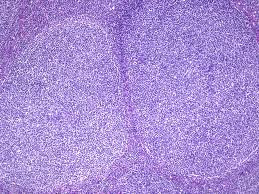
Grow slowly. Often no symptoms initially. Most common symptom: enlarged lymph node. Example: Follicular Lymphoma.
Aggressive NHLs
Grow quickly. Patients notice symptoms earlier. Treatment usually required soon after diagnosis. Often respond very well to treatment. Example: Diffuse Large B-Cell Lymphoma (DLBCL).
Diagnosis & Tests
A diagnosis of lymphoma must be obtained with biopsy. The pathologist determines if this is lymphoma, type (HL or NHL), subtype and behaviour (aggressive or indolent).
Staging
Once confirmed, tests stage the tumour:
- Blood tests
- X-Ray / CT / PET-CT / MRI
- Bone marrow examination
- PET-CT Scan
Treatment Options
- Watch & Wait — for slow-growing, early-stage disease with close monitoring
- Radiotherapy — when disease is confined to one or two areas
- Chemotherapy — CHOP for NHL, ABVD for HL
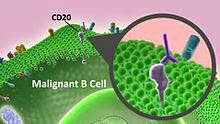
- Monoclonal Antibody — e.g. Rituximab (MabThera) against CD20
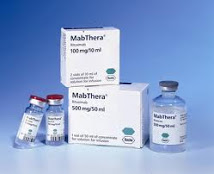
What's New? · DLBCL Relapsed / Refractory
- R-CHOP: Cyclophosphamide, Doxorubicin, Vincristine, Prednisolone + Rituximab (Coiffier et al. Blood 2010)
- POLARIX: Polatuzumab vedotin + R-CHP (Tilly et al. NEJM 2022)
- Relapsed/refractory: consider CAR-T cell therapy (ASTCT Guidelines)
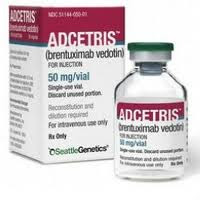
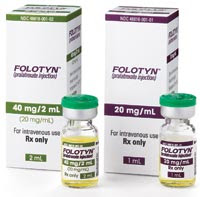
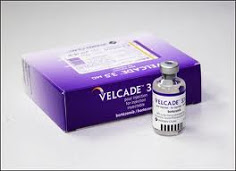
- Other options: tafasitamab + lenalidomide, R-GemOx, brentuximab, Folotyn, Adcetris, Velcade
PET/CT Scan in Lymphoma
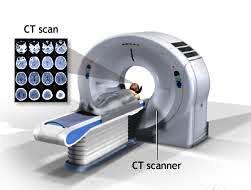
PET/CT (positron emission tomography combined with CT) is often used for staging lymphoma and assessing response to treatment. It helps show where active disease is in the body. Your doctor will explain preparation (e.g. fasting, resting before the scan) and what to expect on the day.
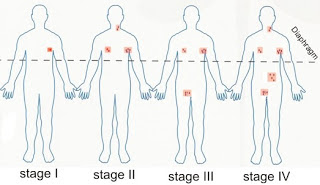
Cancer stages (I–IV) and PET findings together guide whether watch-and-wait, radiotherapy, chemotherapy, immunotherapy or more advanced options such as CAR-T are appropriate.
Further Information / Maklumat Tentang Limfoma
- Patient Information Sheet on Lymphoma
- Maklumat Untuk Pesakit Tentang Penyakit Lymphoma (Bahasa Malaysia)
- CHOP · R-CHOP · R-CVP · Rituximab (=Rituxan; MabThera)
- Patient information on R-CHOP / CHOP chemotherapy
- Mediastinal lymphoma resources
- leukaemia.org.au — Lymphomas
- CAR-T cell therapy for relapsed/refractory DLBCL
Medical disclaimer: Content on this website is for patient education only. It is not a substitute for professional medical advice, diagnosis, or treatment. Always consult your doctor about your individual condition.