Multiple Myeloma
A blood cancer originating from plasma cells in the bone marrow that produce abnormal paraprotein (M protein).
What is Multiple Myeloma?
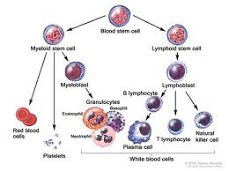
Multiple Myeloma is a type of blood cancer that originates from plasma cells in the bone marrow. In healthy adults, plasma cells produce antibody to fight infection. In myeloma, these plasma cells have turned cancerous and produce large quantities of one toxic antibody called paraprotein or M protein.
Signs and Symptoms
| Body Part | Effect | Symptoms |
|---|---|---|
| Bone Marrow | Anaemia | Lethargy |
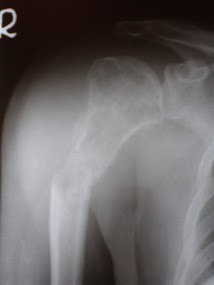
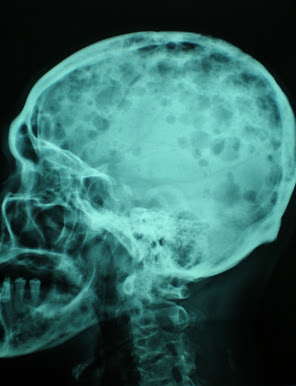
| Bone | Weak bones, fractures, high calcium | Bone pain, abdominal discomfort, constipation |
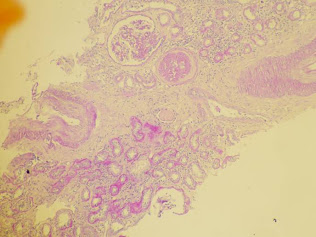
| Kidneys | Kidney failure | Nausea, poor appetite; may need dialysis |
| Nerves | Peripheral neuropathy | Numbness and weakness of the limbs |
| Immune | Low antibody level | Frequent infection |
How is it Diagnosed?
Multiple myeloma is sometimes difficult to diagnose — there is no single test or symptom that always points to the diagnosis. Patients often present with tiredness, vague low back ache, easy fracture, or sudden renal failure.
Blood tests: Full blood count, biochemistry (renal function, calcium), antibody level, protein study.
Urine test: Sometimes done to determine if you are excreting an abnormal protein (e.g. Bence-Jones protein) in your urine.
Imaging: X-Rays, CT/MRI (if nerve compression or spine fracture is suspected), whole body PET/CT occasionally.
Bone Marrow Examination: necessary to determine the presence and severity of plasma cell infiltration in your bone marrow.
Classification of MM
By the type of abnormal antibody or paraprotein your body is producing. Example: if you produce an IgG paraprotein, the type is an IgG subtype of multiple myeloma (other subtypes include IgA and light-chain / Bence-Jones disease).
The Durie-Salmon Staging
| Stage | Criteria |
|---|---|
| I | Hb >10g/dL; Ca normal or <3 mmol/L; normal bone X-ray or solitary plasmacytoma; low M protein |
| II | Fitting neither I nor III |
| III | Hb <8.5g/dL and/or Ca >3 mmol/L and/or advanced lytic lesions and/or high M protein |
International Staging System (ISS)
| Stage | Criteria |
|---|---|
| I | B2M < 3.5 mg/L and Albumin > 35g/L |
| II | B2M < 3.5 and Albumin < 35, or B2M 3.5–5.5 |
| III | B2M ≥ 5.5 mg/L |
ISS is used more widely now for projected survival and treatment decision-making.
How does your Doctor decide treatment?
1. Disease-related factors: type, stage, complications (renal failure, fracture), new disease or recurrence.
2. Patient-related factors: health status, co-morbidities, lifestyle, fitness for stem cell transplant, treatment goals (remission vs control).
Treatment & Supportive Care
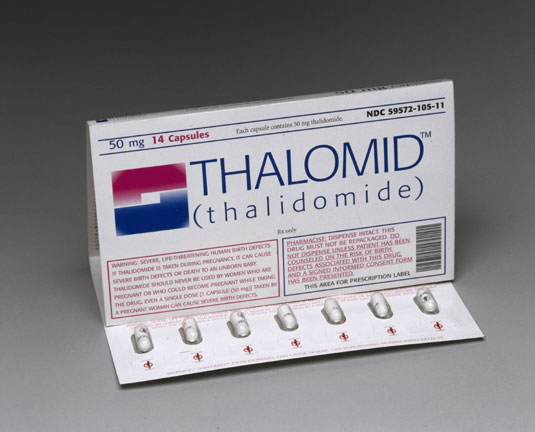

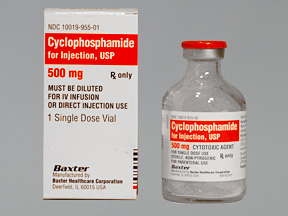
Supportive care: pain killers, antibiotics, growth factors, erythropoietin (red blood cell hormone/stimulants), blood transfusion, medications to lower blood calcium and help build bone faster (bisphosphonates), radiation treatment, medication to reduce the severity of nerve damage.
What's new: Daratumumab · Pomalidomide (FDA approved Feb 2013) · CAR-T for myeloma — see also CAR-T & MSC
Monitoring of Disease after Treatment
- Communicate with your doctor about any problems related to your treatment
- Understand that treatment may take weeks to months before response can be fully assessed
- Be compliant with treatment and follow-up visits
Medical disclaimer: Content on this website is for patient education only. It is not a substitute for professional medical advice, diagnosis, or treatment. Always consult your doctor about your individual condition.