Hospital & Clinic Services
A comprehensive range of haematology and internal medicine services at KPJ Ampang Puteri Specialist Hospital.
Treatments & Diagnostic Procedures
We provide a range of services including
- Out-patient consultation and treatment
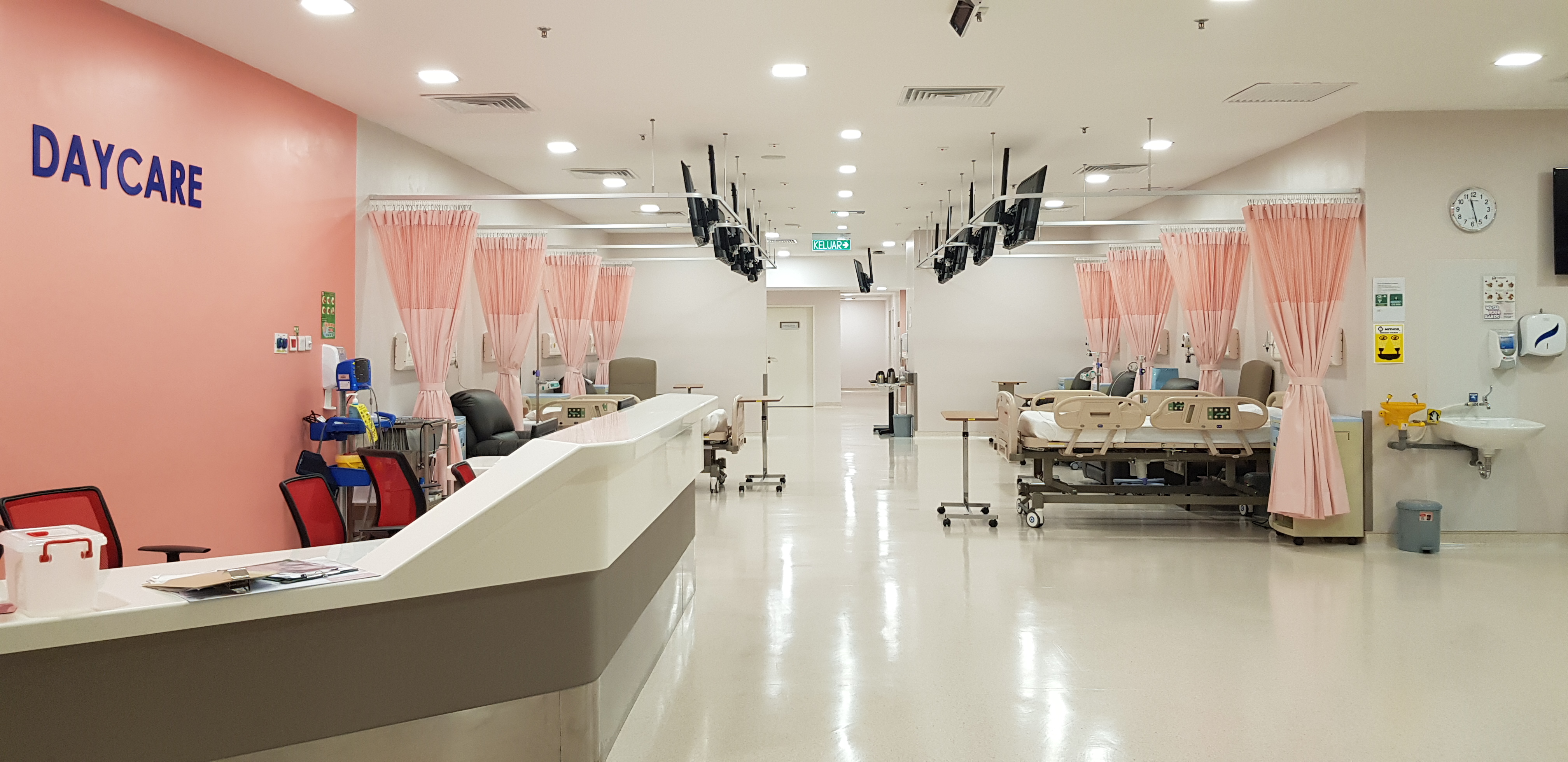
- Haematology & Oncology Daycare with consultation and treatment
- In-patient consultation & treatment
- Internal Medicine Consultation & Services
- Medical Check-up
- Opinion & Interpretation of Laboratory Test Reports
- Medical referral to appropriate medical subspecialties when necessary
Common Haematology & Haematology-Oncology Procedures
- Bone Marrow Examination
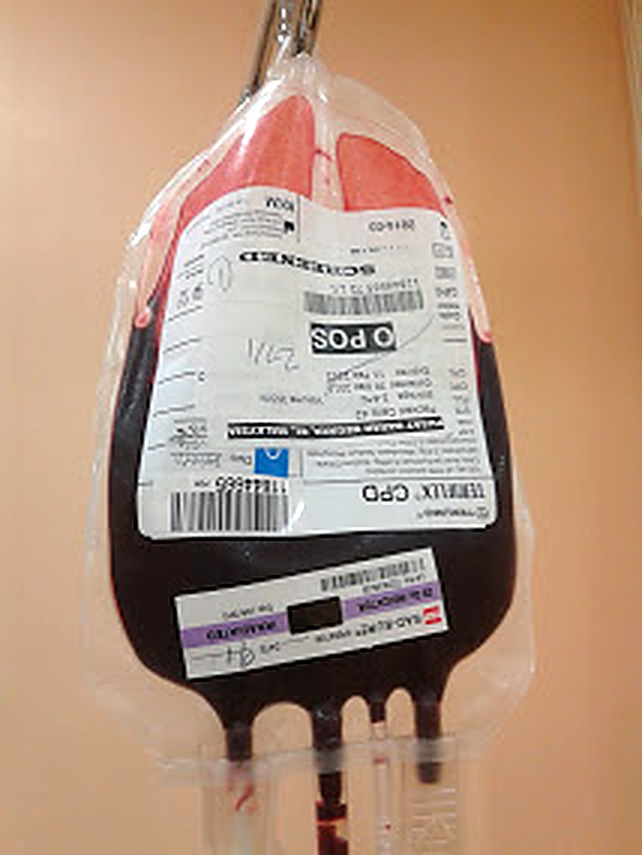
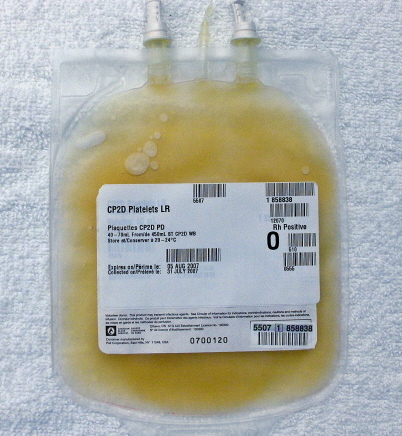
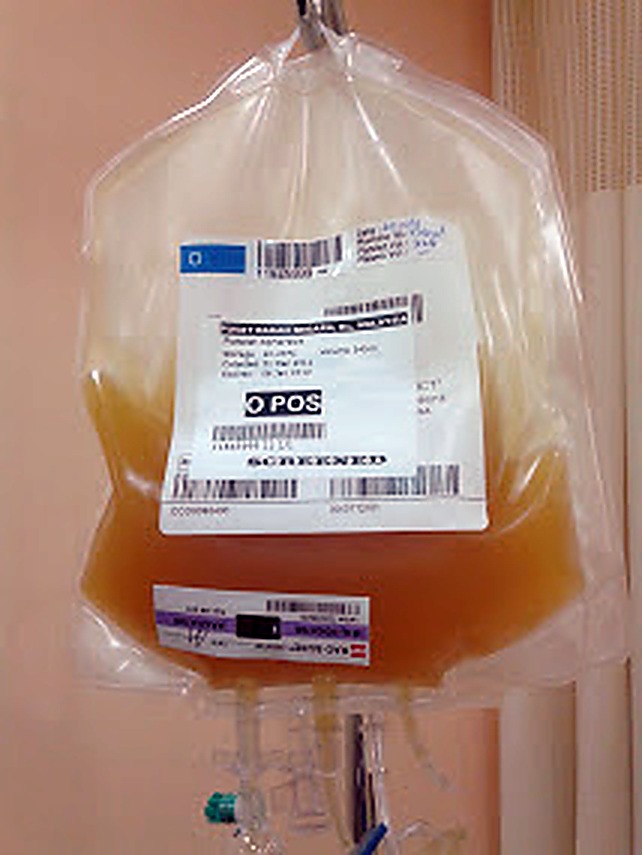
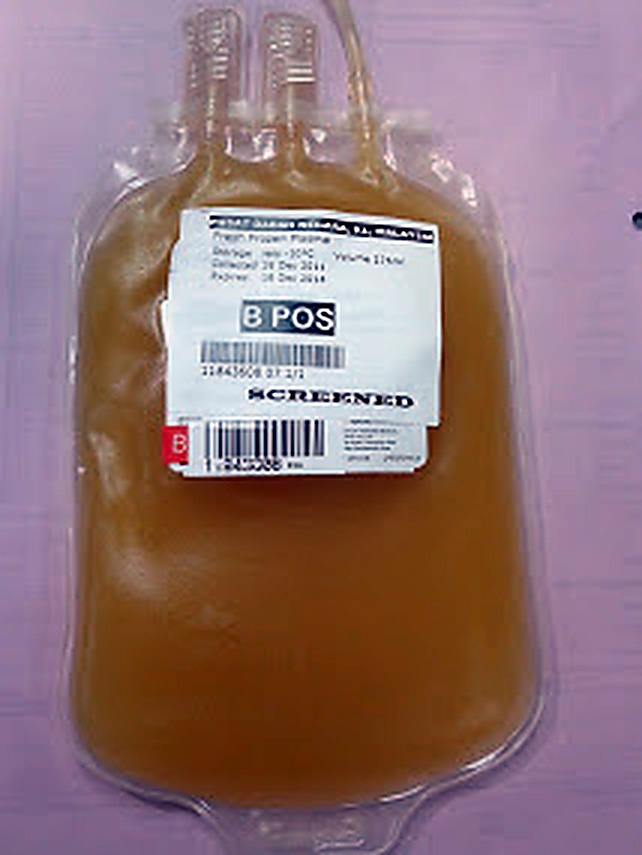
- Transfusion of blood components: Red cells, Platelets, Plasma
- Therapeutic Venesection / Phlebotomy
- Administration of Chemotherapy
- Administration of Immunotherapy & Targeted Therapy
- Apheresis Procedures & Plasma Exchange
- Peripheral Blood Stem Cell Mobilisation & Harvest
- Leukapheresis
Your Blood & Imaging Reports
- We are "paperless" & "filmless".
- Our laboratory information system (LIS) is on-line.
- Laboratory reports can be accessed and viewed from the desktop computer instantly — short report turnaround time.
- X-Ray, CT scan, MRI reports are also on-line.
- Films and reports can be retrieved and viewed instantly.
- You can choose to have your report in films or digital format (CD).
- It is fine if you choose not to take home a copy — reports are stored on our server and can be retrieved anytime.
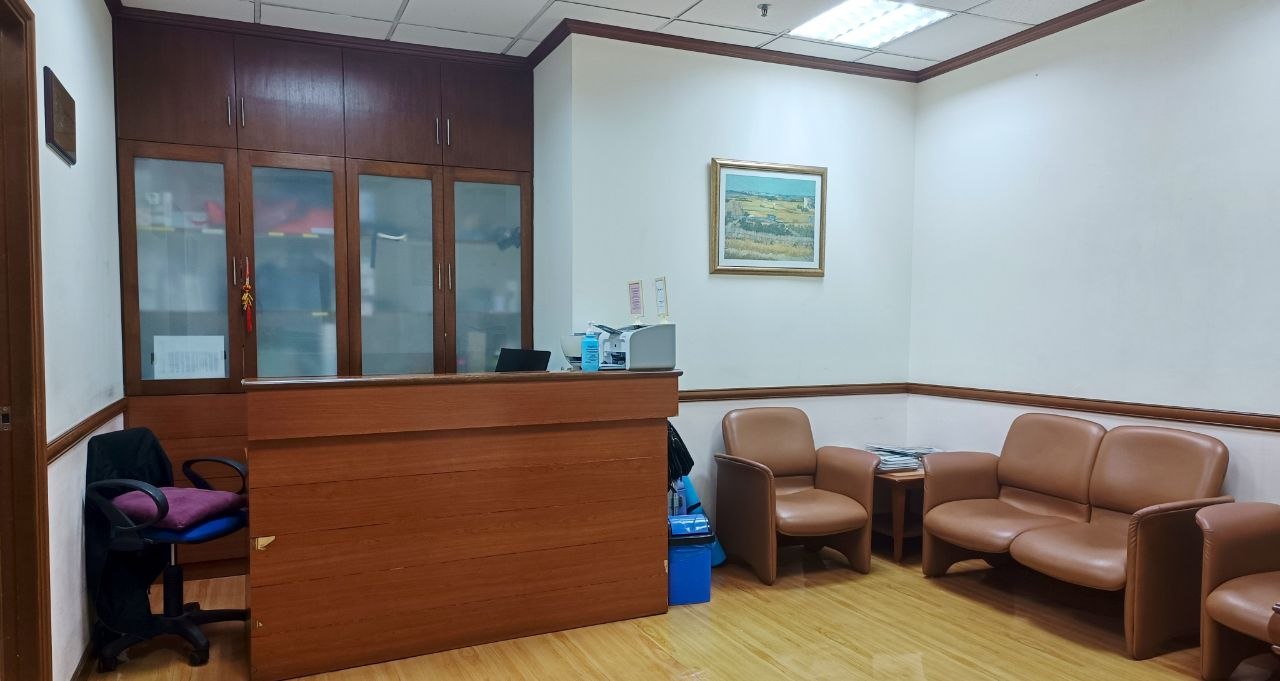
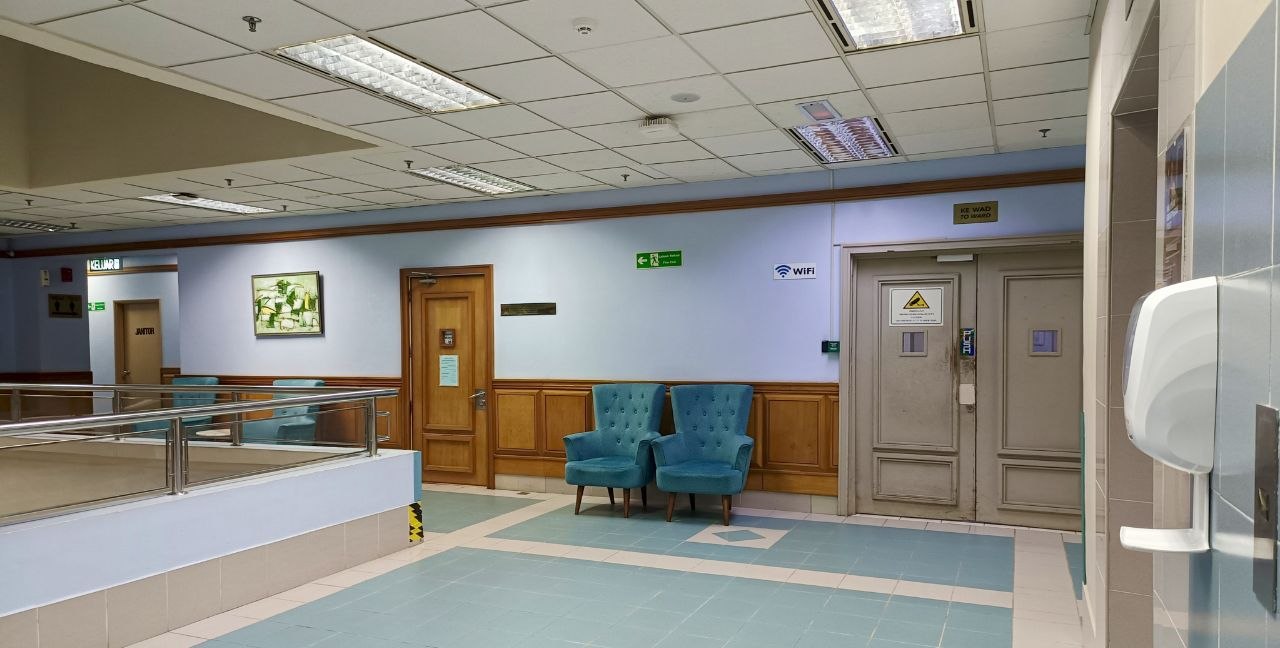
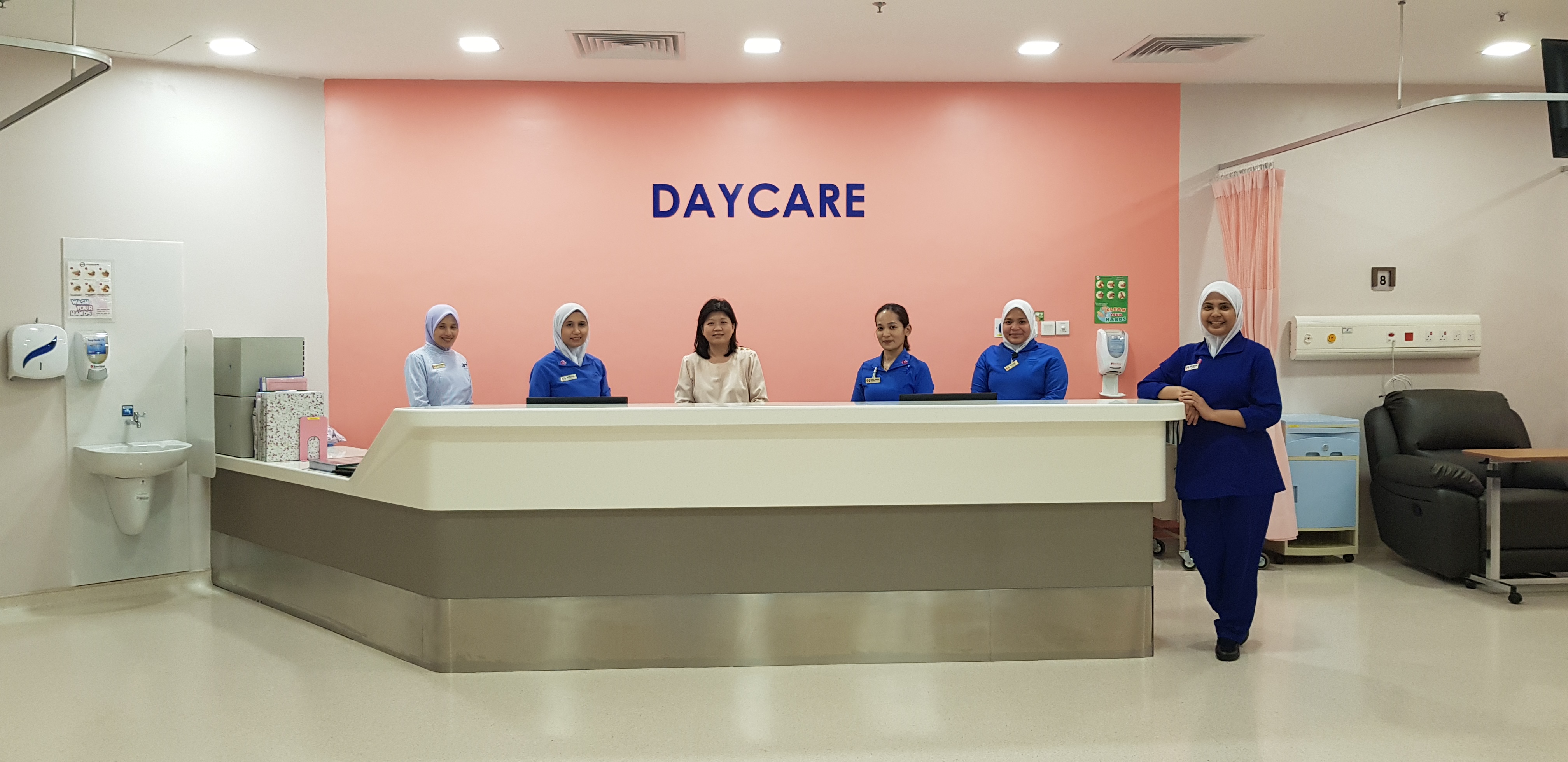
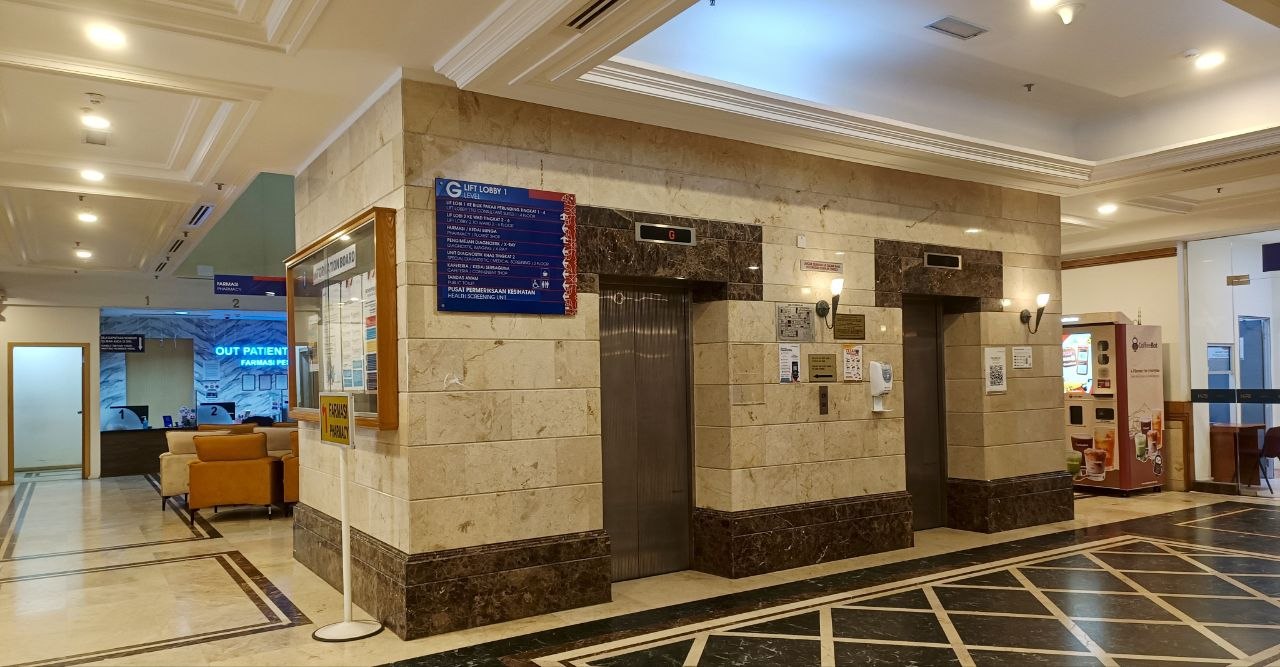
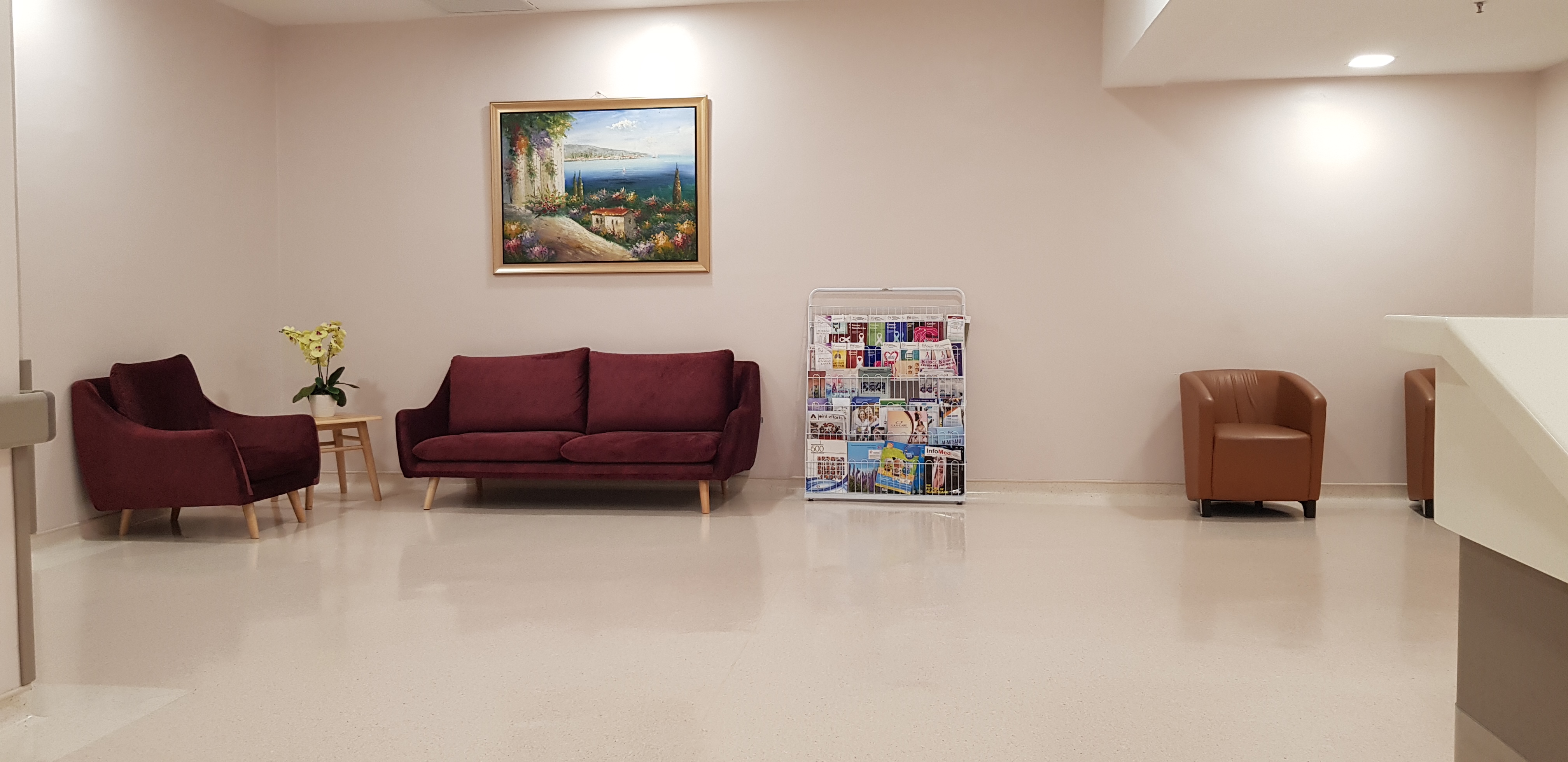
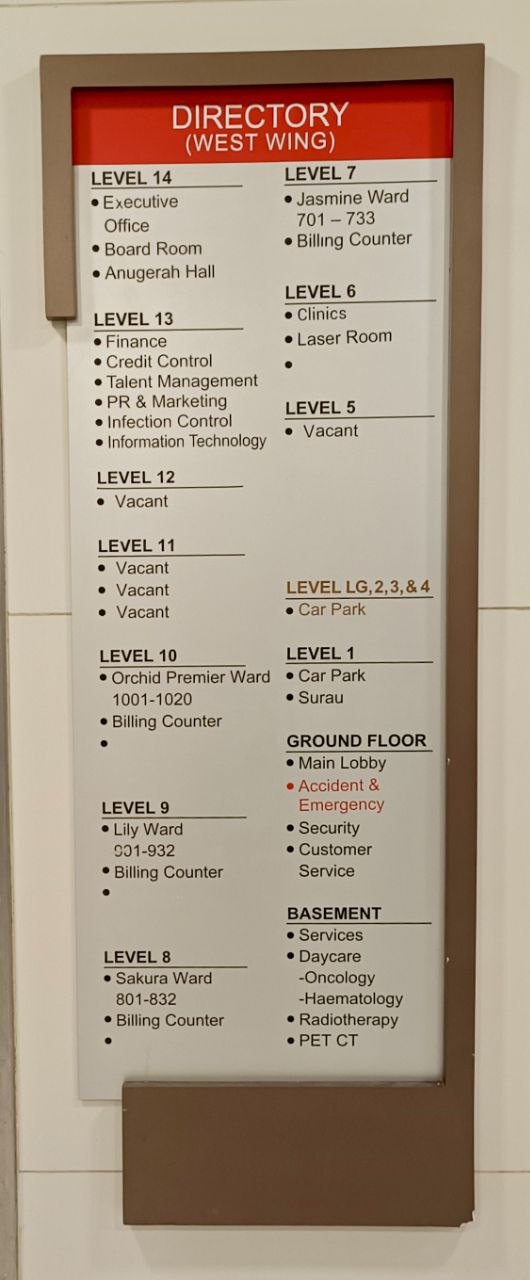
Daycare — Level B, West (New) Wing
Blood Component Transfusion
Transfusion is common and often lifesaving - but it is not always needed. What you may receive, when it is offered, what to expect, and what you can do instead.
What you may receive
- Red cells - carry oxygen. For anaemia and blood loss.
- Platelets - help blood clot. For low platelets or bleeding.
- Plasma - gives clotting factors. For major bleeding.
- Cryoprecipitate - gives fibrinogen. For very low fibrinogen.
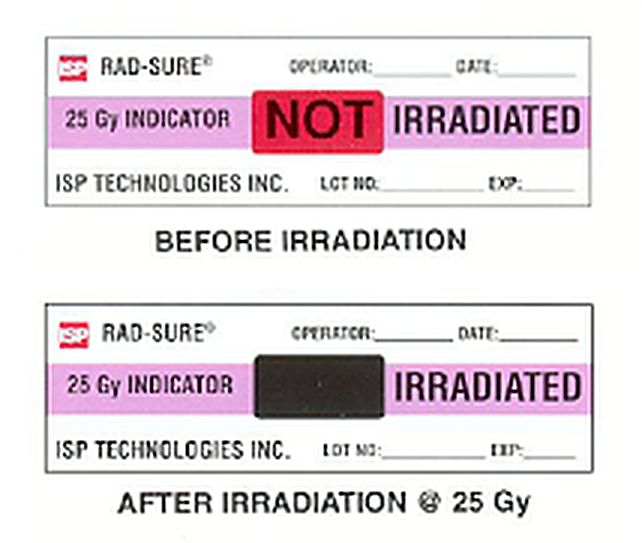
- White cell filters and irradiation - added for selected patients.
When it is offered
- Stable adult: usually when haemoglobin falls below 7 g/dL.
- After heart surgery: 7.5 g/dL.
- After bone or joint surgery, or with heart disease: 8 g/dL.
- Blood cancers and blood disorders: below 7 g/dL.
- The number is a guide. Symptoms count too - breathlessness, chest pain, a racing pulse.
- In bleeding, the decision follows your condition, not one blood test.
- Transfusion does not fix the cause. Iron, B12, folate and bleeding need their own treatment.
What to expect
- One unit of red cells lifts haemoglobin by about 10 g/L.
- Relief usually starts within hours.
- Common: chills, fever, itching, rash, headache.
- Staff ask about past reactions, pregnancies, blood group and medicines first.
Rare but serious
- Fluid in the lungs - breathlessness after the drip.
- Fluid overload - too much fluid for the heart to handle.
- Delayed breakdown of the transfused cells.
- Very rarely, a contaminated unit.
- Repeated units can make antibodies, so future matching is harder.
- Repeated units add iron, which may need treatment to remove.
How it is kept safe
- Donors are screened for illness, travel, medicines and tattoos.
- Every unit is grouped, matched and screened for antibodies.
- Tested for hepatitis B, hepatitis C, HIV and syphilis.
- Nucleic acid testing can find infection earlier.
- Two staff check your name and hospital number before it starts.
- Every reaction is reported and reviewed.
- Blood is stored at a controlled temperature and can be traced to the donor.
Before you transfuse
- Treat the cause: iron, B12, folate, bleeding, the blood disease.
- Plan surgery in advance, use small blood samples, re-check before giving.
- One unit at a time, not several together.
- Blood lost in surgery can be collected and given back to you.
- Medicines: tranexamic acid, vitamin K, clotting factor concentrates.
- Sometimes not transfusing is safer. Your doctor will discuss it.
Blood supply in Malaysia
Pusat Darah Negara (PDN) in Kuala Lumpur runs Malaysia's transfusion service: it collects donations, supplies components to hospital blood banks, runs national reference laboratories and keeps national records.
- Donated blood is split into red cells, platelets and plasma.
- PDN, Jalan Tun Razak, 50400 Kuala Lumpur - 03 261 32688.
- PDN also publishes its own clinical guidance, including the Handbook on Clinical Use of Blood.
Guidelines and references
- ISBT (International Society of Blood Transfusion) - transfusion thresholds and patient blood management.
- AABB 2023 International Guidelines. Carson JL et al. JAMA 2023;330(19):1892-1902.
- BSH - anaemia and red cell transfusion in adult critically ill patients.
- BSH - acute transfusion reactions; irradiated blood components.
- BSH - transfusion for fetuses, neonates and older children. Br J Haematol 2016;175:784-828.
- ASH 2020 - sickle cell disease: transfusion support.
- ICTM - patient blood management guidelines. CHEST 2025 thresholds, via ISBT.
- WHO - guidelines and principles for safe blood transfusion practice.
- PDN and MOH Malaysia - National Policy; Handbook on Clinical Use of Blood; CPG Clinical Blood Transfusion.
Patient Blood Management - how to reduce the need for transfusion
Patient Visit Guide
Appointment
- You are encouraged to make an appointment with the clinic.
- To make sure that you will be attended to when you come.
- To cut short your waiting time.
Bring Your Reports
- Bring blood test reports, X-rays, scan films and pathology reports if any.
- If you have a blood-related condition, a repeat blood count on arrival may be necessary.
- You do not need to fast if you are only going to have a simple blood test (FBC / CBC).
Language & Communication
- Languages spoken: English, Malay, Mandarin.
- Chinese dialects: Hokkien, Cantonese.
- If you speak only a particular foreign language, bring an interpreter or let reception know beforehand.
- We may be able to arrange Arabic, Korean, and Japanese interpreters.
Outstation / International Patients
- Let us know beforehand if you need pick-up from the airport or accommodation.
- We can arrange for our patient liaison officer to be of service to you.
Pharmacy
- Out-patient prescriptions are sent to Pharmacy electronically.
- Two lines at Pharmacy: one for patients with take-home medications, one without.
Parking Discount
- You can enjoy a parking rebate for service received from the Hospital.
- Be sure to obtain a parking coupon before you leave the clinic.
Medical Report
Medical reports can be requested through the clinic / hospital administrative channels when needed for insurance, EPF medical withdrawal, disability aid (OKU), or referral purposes. Please allow processing time and bring identification and supporting documents.
Useful Links
- Ampang Puteri Specialist Hospital — Joint Commission International accredited hospital — Joint Commission International accredited hospital
- Social Welfare Department: aid for disability — OKU (Orang Kurang Upaya)
- Information on EPF withdrawal for medical treatment
- Hospice Referral form
- Medic Alert Application form
- Bone Marrow Examination · Chemotherapy · Stem Cell Transplant
Medical disclaimer: Content on this website is for patient education only. It is not a substitute for professional medical advice, diagnosis, or treatment. Always consult your doctor about your individual condition.