For selected patients with relapsed/refractory blood cancers such as DLBCL and multiple myeloma.
What is CAR-T cell therapy?
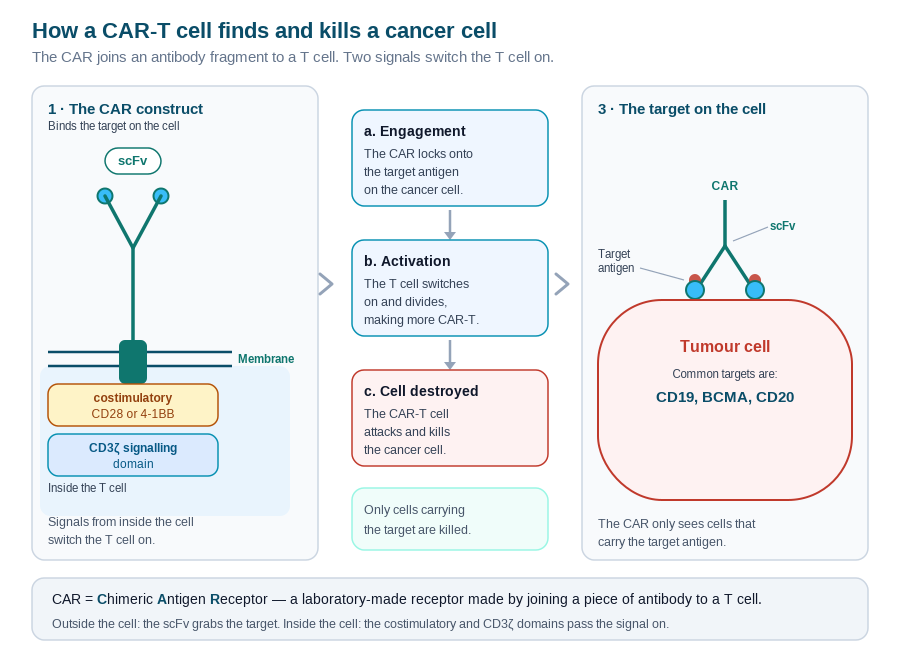
CAR stands for Chimeric Antigen Receptor. It is a laboratory-made protein that is placed on the surface of a patient's own T cells (a type of white blood cell). The receptor works like a lock-and-key or a "guided missile": it locks on to a specific target protein — the antigen — on the surface of a cancer cell, and tells the T cell to attack.
Because the target is chosen in advance, CAR-T is a targeted therapy. Common targets are CD19 and CD20 (both found on B lymphocytes, used in lymphoma) and BCMA (found on myeloma cells). The therapy is sometimes called a "living drug", because the engineered cells stay in the body, keep multiplying, and keep hunting for the cancer.
Please read this first
CAR-T therapy is a specialist treatment. It is only considered after a full haematology review, and it is only available at centres that are licensed and experienced in this therapy. Nothing on this page is a recommendation for or against it in your individual case.
How a CAR receptor works: the scFv binding domain locks onto the target antigen, costimulatory domains switch the T cell on, and the CD3ζ domain sends the signal inside.
The CAR-T cell administration process
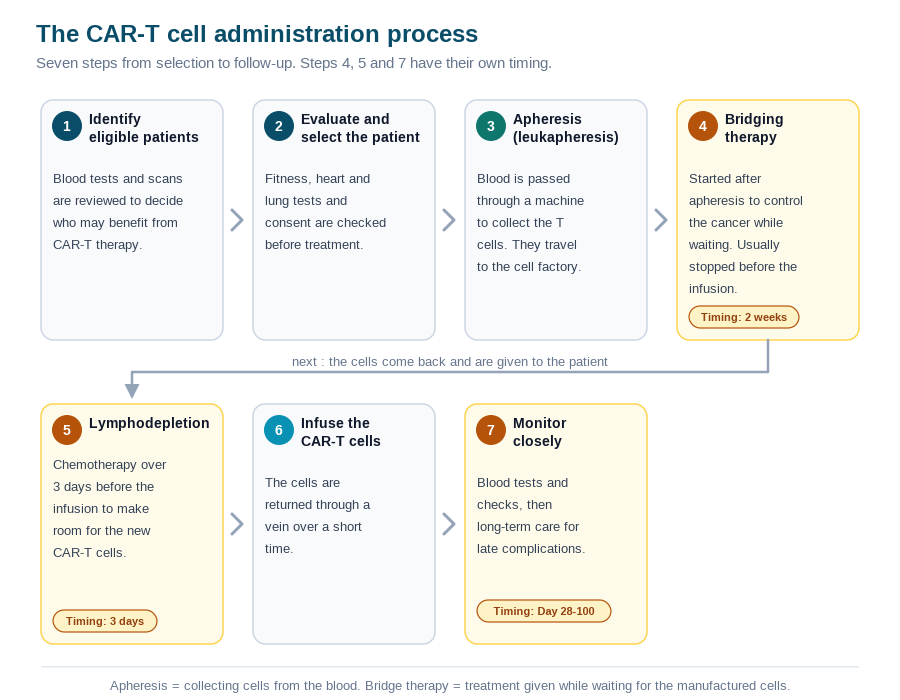
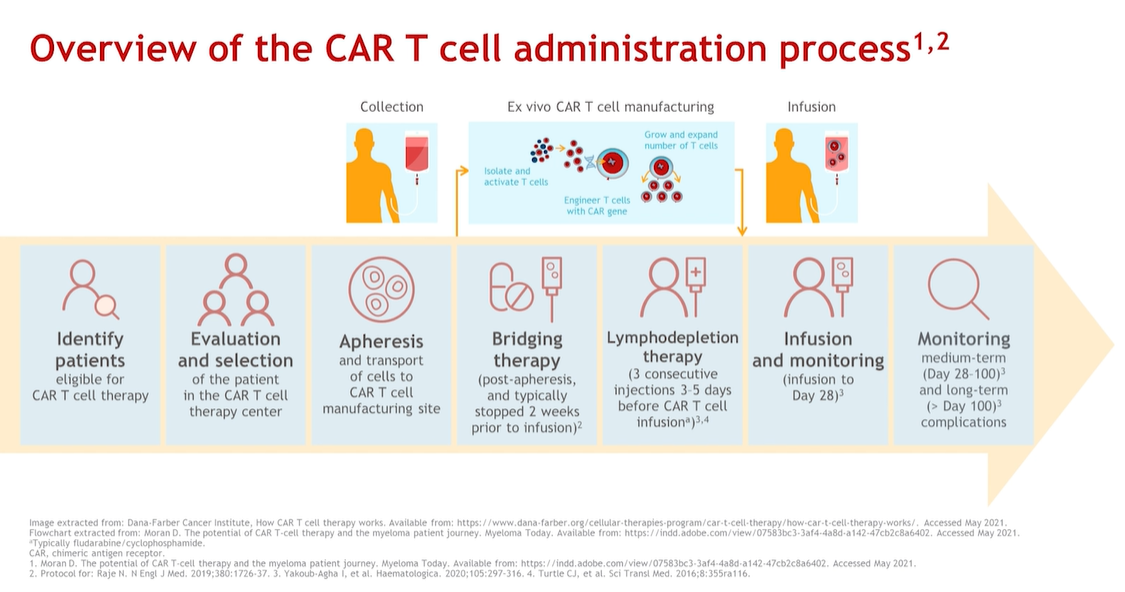
CAR-T is not a single hospital visit. It is a planned sequence of steps over several weeks, with careful monitoring in between. This is the usual pathway:
Identify patients eligible for CAR-T cell therapy
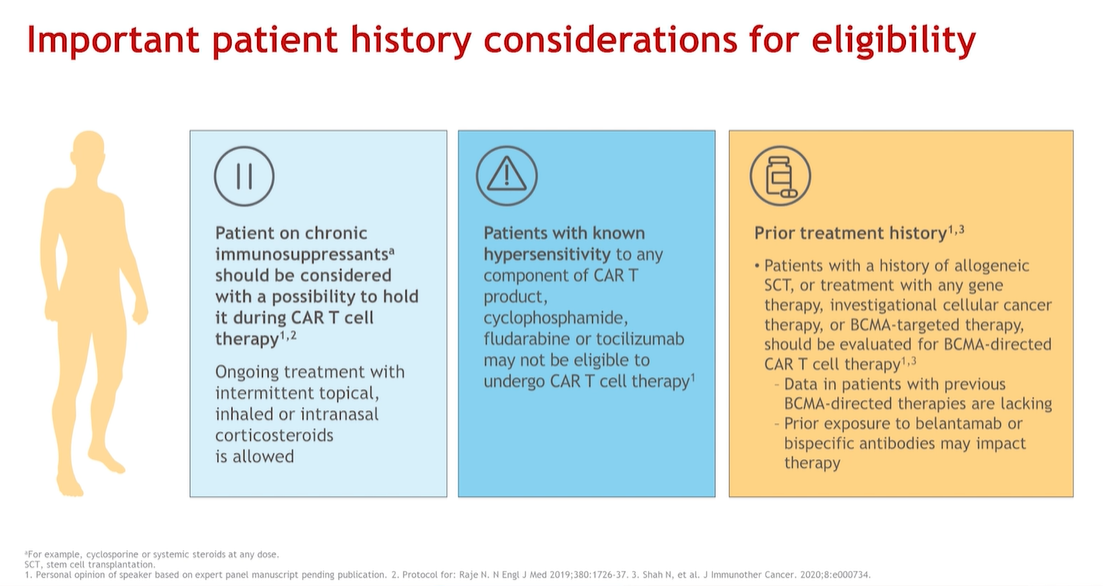
The diagnosis, the number and type of previous treatments, and the general condition of the patient are reviewed.
Evaluation and selection of the patient for CAR-T cell therapy
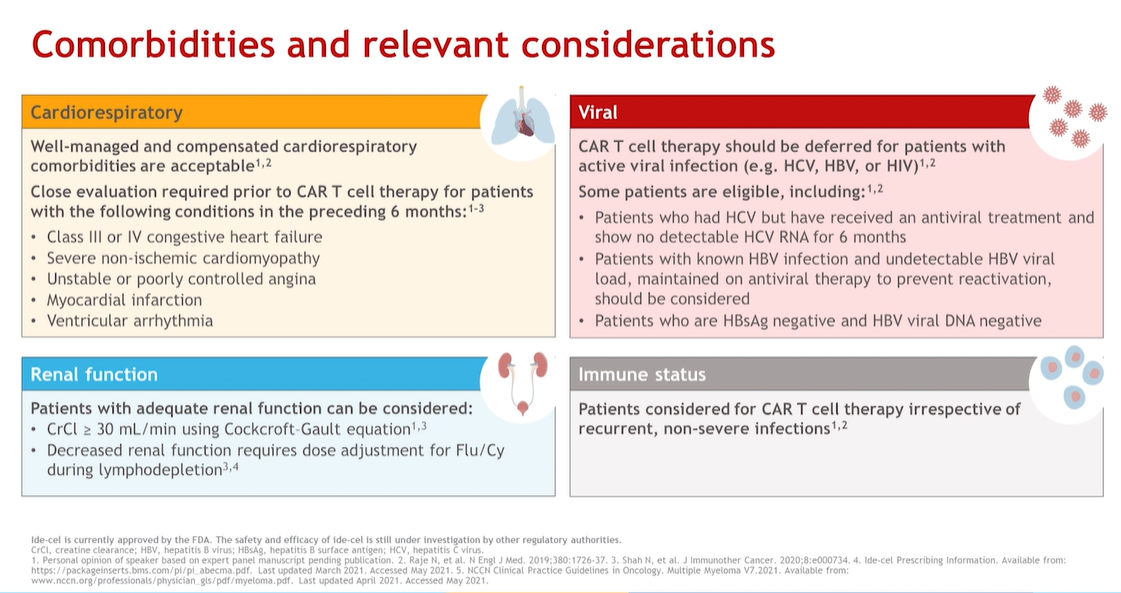
Heart, lung, kidney and infection checks; performance status; and a discussion of your wishes about treatment.
Apheresis and transport of cells to the CAR-T manufacturing site
Your T cells are collected from the blood by a cell separator (leukapheresis) and sent to a specialised manufacturing laboratory, where they are genetically modified and multiplied.
Bridging therapy
Treatments given after apheresis to keep the cancer under control while the CAR-T cells are being made. Bridging therapy is usually stopped about 2 weeks before the CAR-T infusion.
timing: stopped ~2 weeks before infusion
Lymphodepletion therapy
Short-course chemotherapy given over 3 days before the infusion. It frees up space for the CAR-T cells to grow and reduces the chance of the body rejecting them.
timing: 3 days before infusion
Infusion of CAR-T cells into the patient
The thawed CAR-T cells are given back through a drip into a vein, similar to a blood transfusion.
Monitoring
Monitoring for the first few weeks, with the main assessment around Day 28 to 100, and longer-term follow-up for late effects and relapse.
timing: main review Day 28–100
The seven steps of CAR-T cell therapy, from selecting the patient through to Day 28–100 monitoring.
CAR-T cell therapy — the key topics
These are the areas that patients and families usually want explained before deciding on treatment:
The CAR-T cell administration process, step by step
Patient history considerations — which previous treatments matter, and why
Lymphodepletion and its relevant considerations
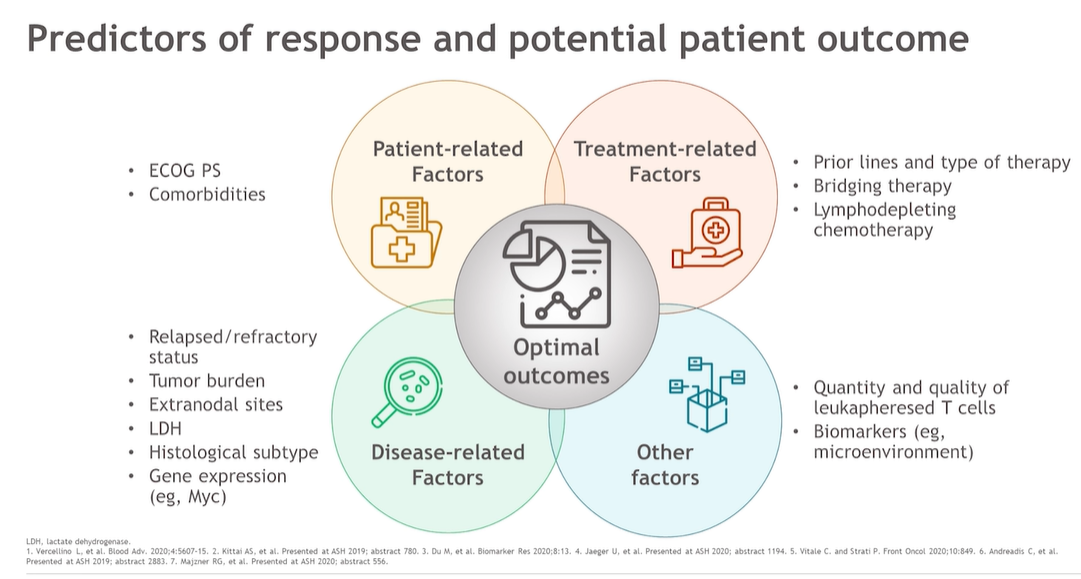
Predicting CAR-T cell therapy outcomes
Cytokine release syndrome (CRS) response and potential patient outcomes
How CAR-T therapy differs from autologous stem cell transplant (ASCT)
What is available
Approved CAR-T products
Several CAR-T products are licensed for specific blood cancers. Availability, licensing and reimbursement in Malaysia change over time, so this list is for orientation only — your haematologist will confirm what is right for you.
Licensed CAR-T therapies and their usual indication
Product
Target
Common abbreviation
Usual indication
Axicabtagene ciloleucel
CD19
axi-cel
Relapsed / refractory large B-cell lymphoma
Lisocabtagene maraleucel
CD19
liso-cel
Relapsed / refractory large B-cell lymphoma
Tisagenlecleucel
CD19
tisa-cel
Relapsed / refractory large B-cell lymphoma; also in children and young adults with acute lymphoblastic leukaemia
Ciltacabtagene autoleucel
BCMA
cilta-cel
Relapsed / refractory multiple myeloma
Idecabtagene vicleucel
BCMA
ide-cel
Relapsed / refractory multiple myeloma
Targets in brief: CD19 and CD20 are markers on B lymphocytes (used in lymphoma); BCMA is a marker on myeloma plasma cells. ASTCT guidelines set out the licensed indications and the evidence behind them.
Evidence
CAR-T for Lymphoma
Why CAR-T is considered, and what the trial data show.
The problem CAR-T is trying to solve
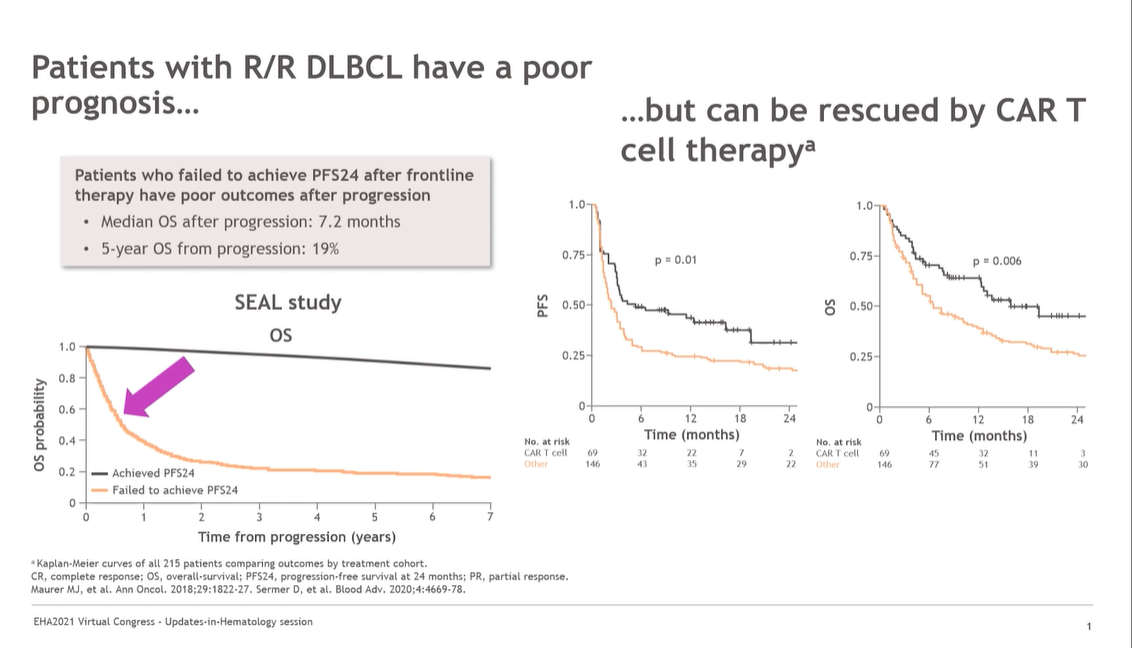
Patients with relapsed / refractory DLBCL who never reach a response after frontline therapy have a very poor outlook. In the SEAL study, patients who had not achieved progression-free survival at 24 months (PFS24) after first-line therapy had, after progression:
7.2 monthsMedian overall survival after progression
19%5-year overall survival from the point of progression
The same analysis showed that these patients can be rescued by CAR-T cell therapy. That gap between a poor natural history and a good response to CAR-T is the whole reason the therapy exists.
The main evidence and updates
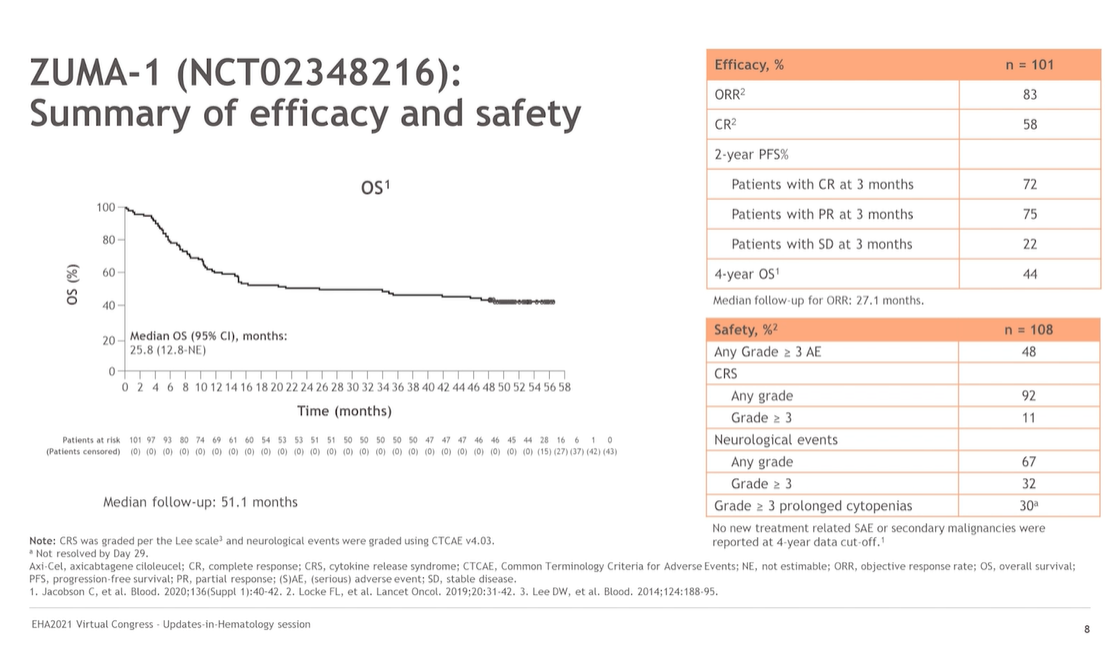
ZUMA-1 and TRANSCEND — the pivotal efficacy and safety studies of CAR-T in relapsed / refractory DLBCL, which underpin the licensed indications
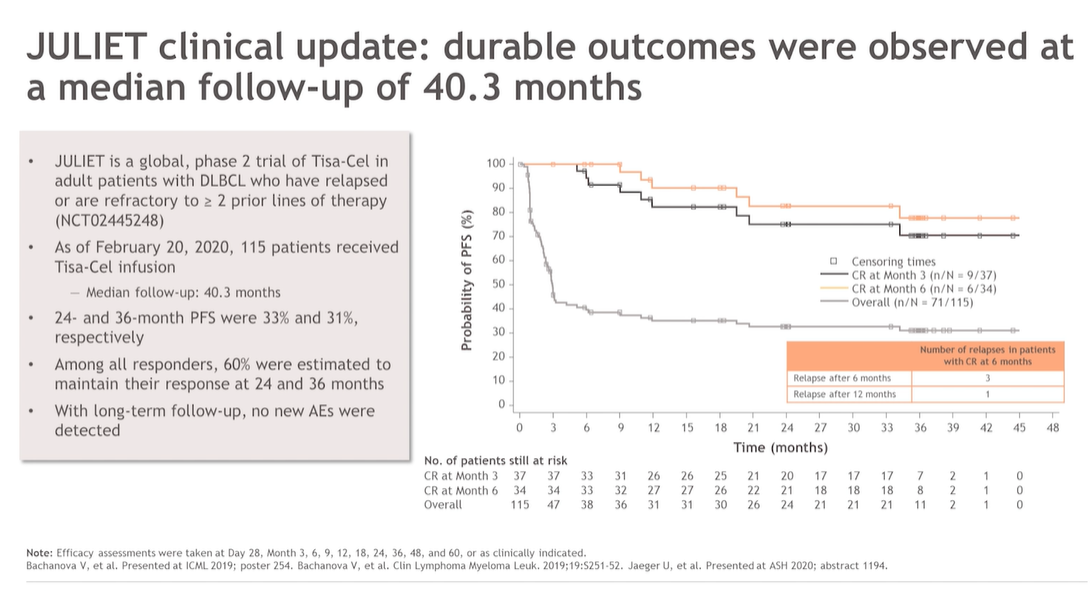
Real-world clinical updates — durable outcomes with long follow-up, showing that results achieved in practice are broadly consistent with the trial data
Indications and clinical studies — the ongoing programme of trials defining which patients benefit most and in what order treatments should be used
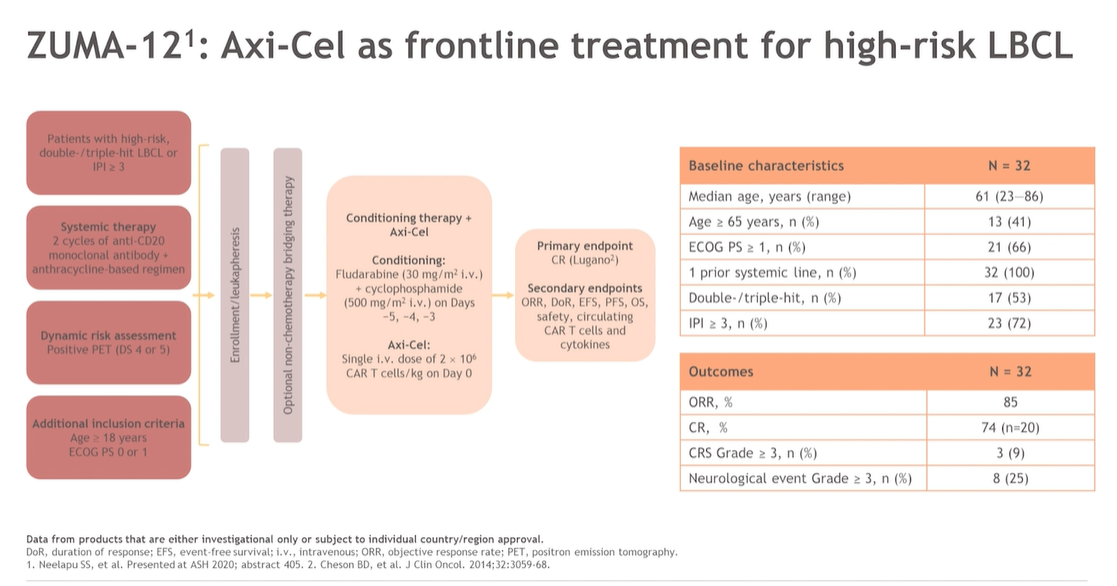
Axi-cel as frontline treatment for high-risk LBCL — an active area of study, moving CAR-T earlier in the treatment pathway for high-risk disease
Presentation slides & charts
How this connects to the lymphoma page
CAR-T is considered when lymphoma comes back after, or does not respond to, standard treatment. The full pathway — watch & wait, radiotherapy, CHOP/ABVD chemotherapy, monoclonal antibodies such as rituximab, and then CAR-T for relapsed / refractory disease — is set out on the Lymphoma page.
Rituximab targets CD20; CAR-T products for lymphoma target CD19. The two approaches are complementary, and a patient may receive both at different points in their treatment.
Evidence
CAR-T for Myeloma
Targeting BCMA on the myeloma cell, with idecabtagene vicleucel (ide-cel) as the best-studied product.
What the myeloma studies showed
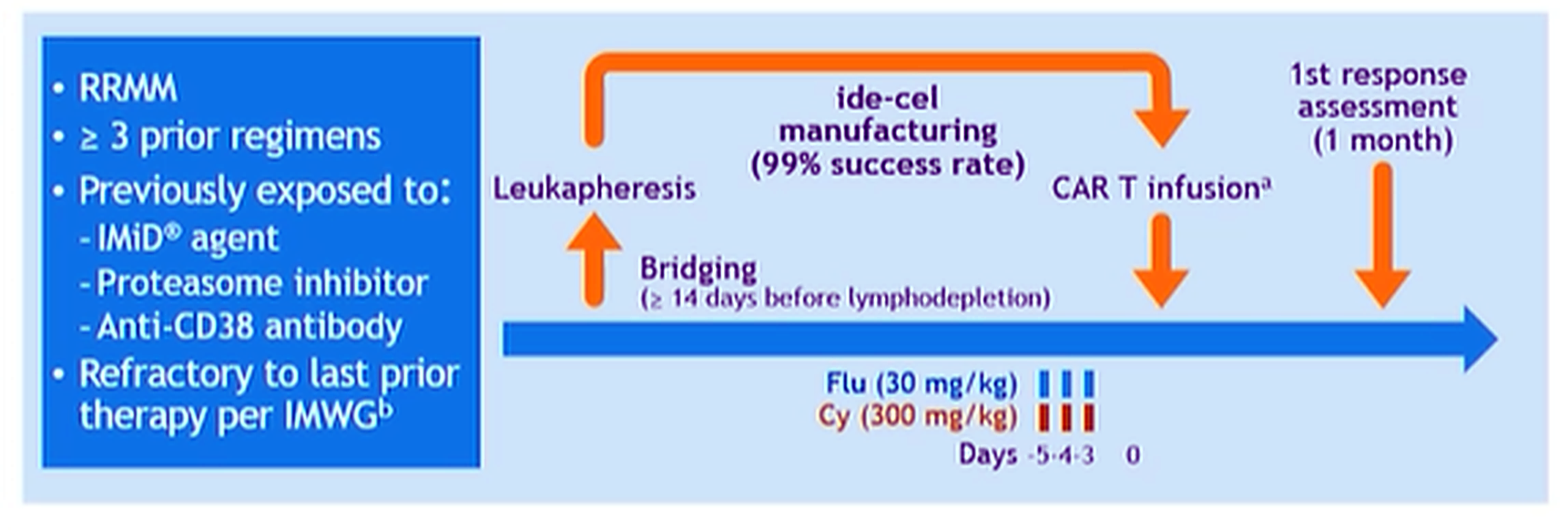
ide-cel manufacturing is highly reliable — reported success rate of 99% in producing a usable product from the collected cells
Bridging therapy — given for at least 14 days before lymphodepletion, to keep the myeloma under control while the cells are manufactured
Idecabtagene vicleucel in relapsed / refractory multiple myeloma — the pivotal study of ide-cel after ≥3 prior lines of therapy
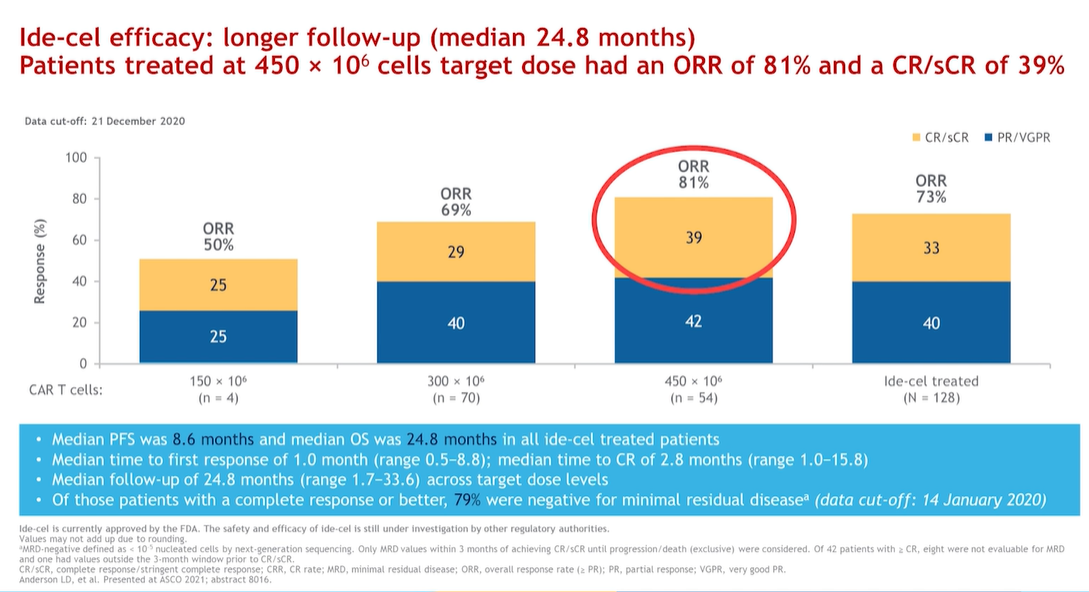
Longer follow-up — at a median follow-up of 24.8 months, patients treated at the target dose had an overall response rate (ORR) of 81%
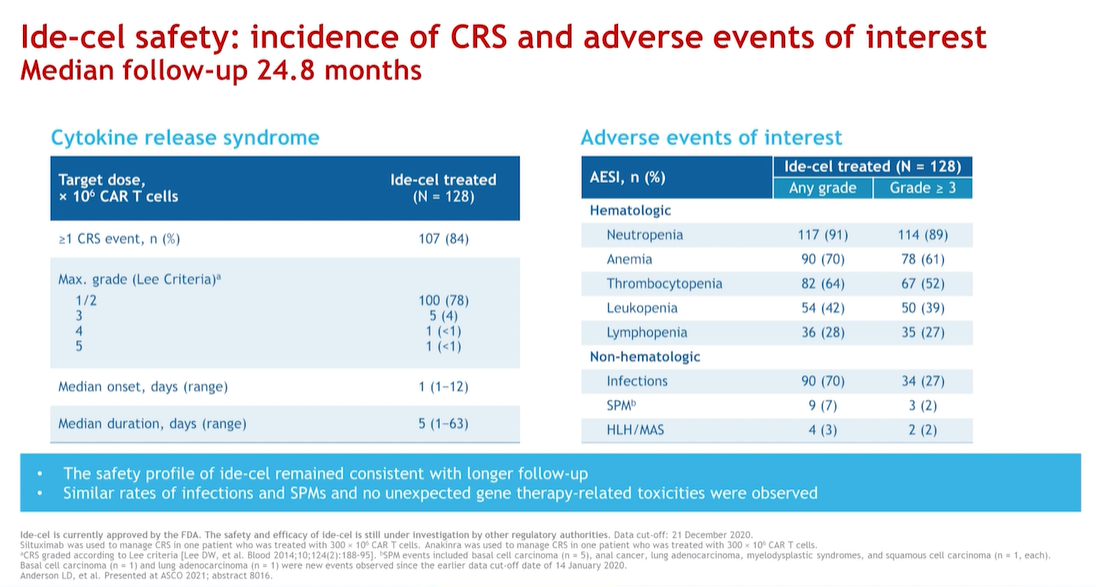
Cytokine release syndrome and adverse events — the incidence and pattern of CRS and other side effects were tracked over the same 24.8 months
99%ide-cel manufacturing success rate
≥14 daysBridging therapy before lymphodepletion
24.8 monthsMedian follow-up
81%Overall response rate at target dose
ORR = overall response rate (the proportion of patients whose cancer shrank or disappeared). These figures come from published studies of the respective products; individual results vary and depend on prior treatment and general health.
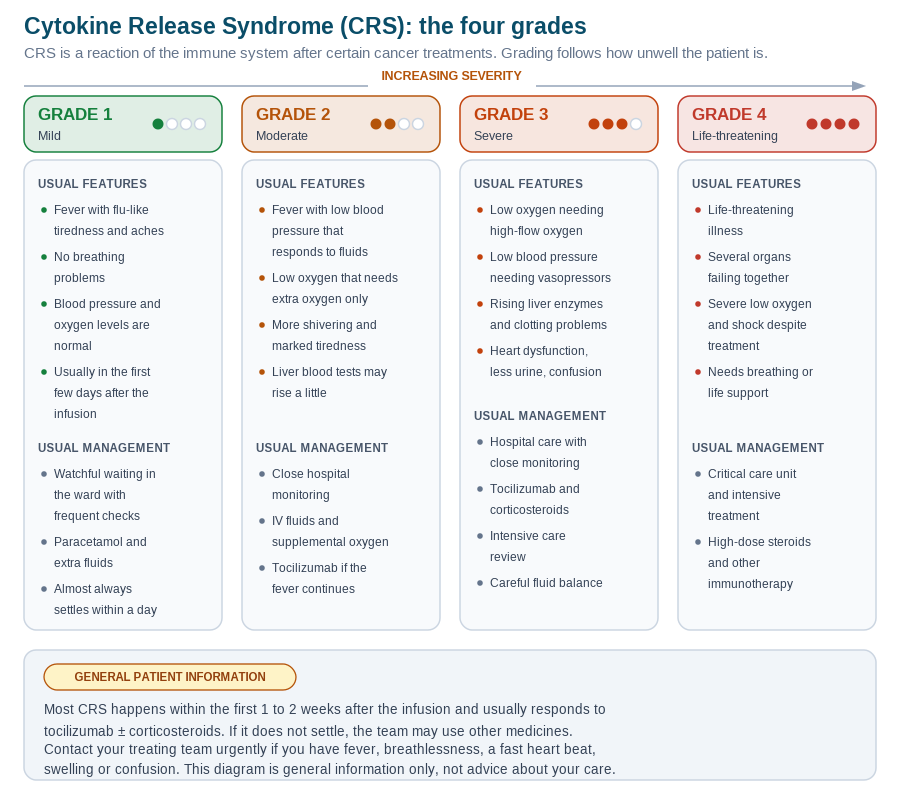
Cytokine release syndrome is graded from 1 to 4; earlier grades are managed with observation and simple measures, later grades need hospital-level care.
Myeloma CAR-T slides
Side effects
CAR-T Process & Cytokine Release Syndrome (CRS)
The most important possible side effect of CAR-T therapy, and the one families are asked to watch for most carefully.
What is CRS?
CAR-T therapy has four main steps: collecting your T cells from your blood, changing them in a laboratory so they attack cancer, clearing space in your body with a short course of mild chemotherapy, and then infusing the new cells. Because these treatments can cause side effects, you are monitored closely.
Cytokine Release Syndrome (CRS) is an important possible side effect when activated immune cells release large amounts of cytokines. It can range from mild fever to severe illness requiring specialist care. Discuss risks, monitoring and management with your haematology team before treatment.
Fever with flu-like symptomsFever, chills, tiredness, headache. No breathing difficulty and no low blood pressure. Usually managed with observation, fluids and paracetamol.
ModerateBreathlessness or low oxygen needing extra oxygen, and/or low blood pressure that responds to fluids or a blood-pressure-raising medicine. Managed on the ward with tocilizumab and/or steroids.
SevereOxygen needs escalating to high-flow oxygen or non-invasive ventilation, and/or blood pressure needing increasing support. May also involve liver enzyme rise, clotting problems or heart dysfunction. Needs hospital-level care.
Life-threateningMulti-organ failure requiring intensive care and mechanical support. Rare, but it is why monitoring after the infusion is so intensive.
If you have any of these, contact your treating team straight away:
A temperature of 38.5 °C or above, or feeling feverish and shivery
New or worsening shortness of breath
A fast heartbeat, or feeling faint and dizzy
Swelling of the face, hands or legs
Confusion, drowsiness, or unusual restlessness
A fast fall in blood pressure or much less urine than usual
Contact your doctor or your treating team, or go to the nearest emergency department.
Other things to expect after CAR-T
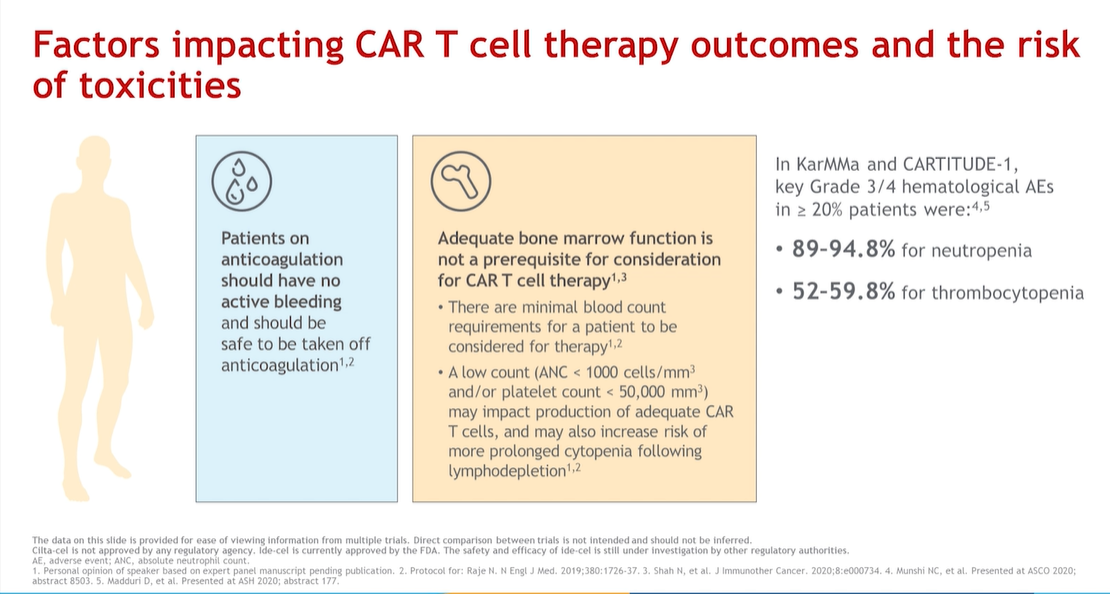
Low blood counts — anaemia, low platelets and low neutrophils; transfusions and growth-factor injections may be needed
Neurotoxicity / ICANS — difficulty concentrating, word-finding trouble, confusion or drowsiness; this is monitored with a simple daily score by the ward team
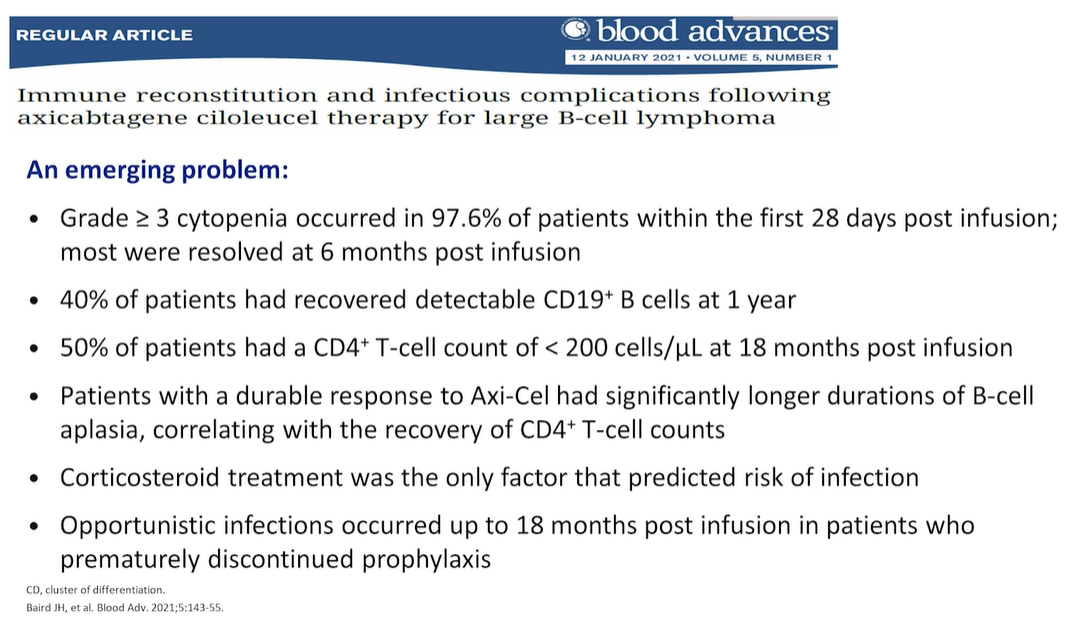
B-cell aplasia — B lymphocytes fall because the CAR-T cells are attacking them, so antibody levels drop and infections are monitored; immunoglobulin replacement may be offered
Long-term immune recovery — recovery of the immune system, and rebuilding immunity with vaccination, takes many months
Infection risk — because immunity is suppressed before the CAR-T cells are given, infections are common and are treated promptly and aggressively
Late effects and relapse — follow-up continues long term, because the cancer can come back even after a good response
CAR-T therapy — teaching slides
The slide decks used for patient education talks on the CAR-T programme. Click any slide to view it larger.
Understanding the difference
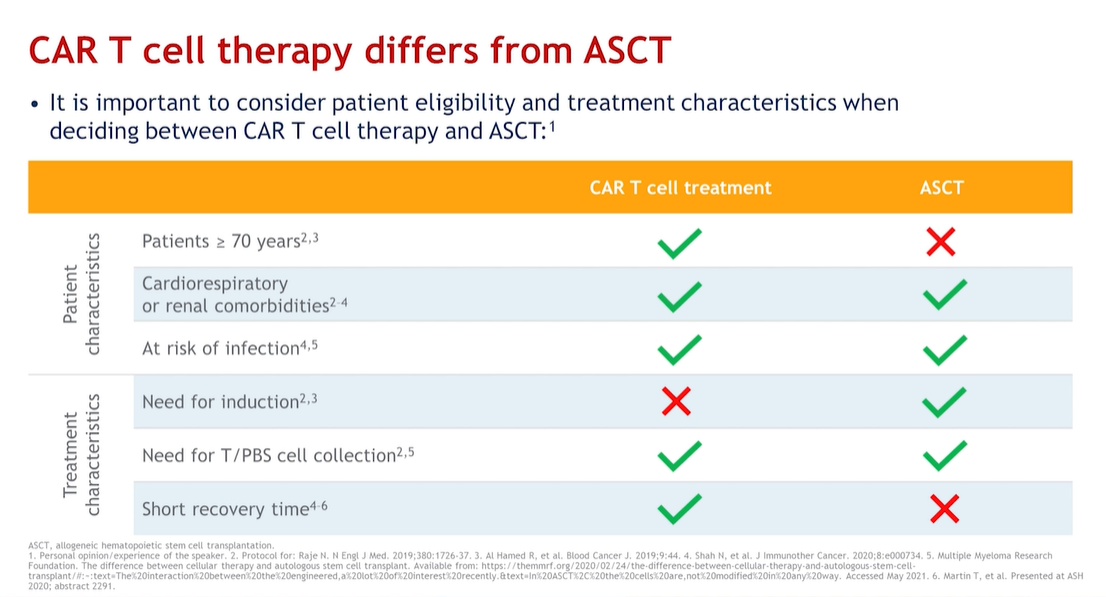
How CAR-T differs from a stem cell transplant
Both treatments re-infuse cells through a drip after high-dose chemotherapy, so they can look similar on the ward. The cells, however, are entirely different, and so are the main risks.
CAR-T cell therapy compared with autologous stem cell transplant (ASCT)
Point of comparison
Autologous stem cell transplant
CAR-T cell therapy
Where the cells come from
The patient's own blood-forming cells, collected and stored in advance and given back unchanged
The patient's own T cells, genetically modified and multiplied in a manufacturing laboratory
What the cells do
Replace the marrow destroyed by high-dose chemotherapy and rebuild blood production
Recognise and kill a specific cancer target (CD19, CD20 or BCMA)
Graft-versus-host risk
None, because the cells are the patient's own
None, for the same reason
Main specific risk
Infection, mucositis and prolonged recovery of blood counts
Cytokine release syndrome and neurotoxicity (ICANS), plus infection while immunity is recovering
Time from decision to treatment
Collection, conditioning and transplant can be arranged within a few weeks
Manufacturing takes several weeks between apheresis and infusion
Typically offered when
Myeloma and lymphoma that respond to chemotherapy and need deeper treatment
Cancer that has come back or is resistant to standard treatment
The Stem Cell Transplant page explains every step of a transplant: how your cells are collected, how they are prepared, and what happens afterwards.
Stem cell science
Mesenchymal Stem Cells (MSC)
The body's own repair cells. Much of what you read about MSC therapy is still research — this page explains what is known, what is being studied, and what is not yet established.
What are stem cells?
What are stem cells? Stem cells are the foundation cells in our bodies. Throughout our lives, our own stem cells continuously replace injured tissues and cells that are lost every day, such as those in our skin, hair and blood. Stem cells have two key properties: (1) the ability to self-renew and reproduce, and (2) the ability to differentiate into different functional cell types that make up our organs and tissues.
What are mesenchymal stem cells?
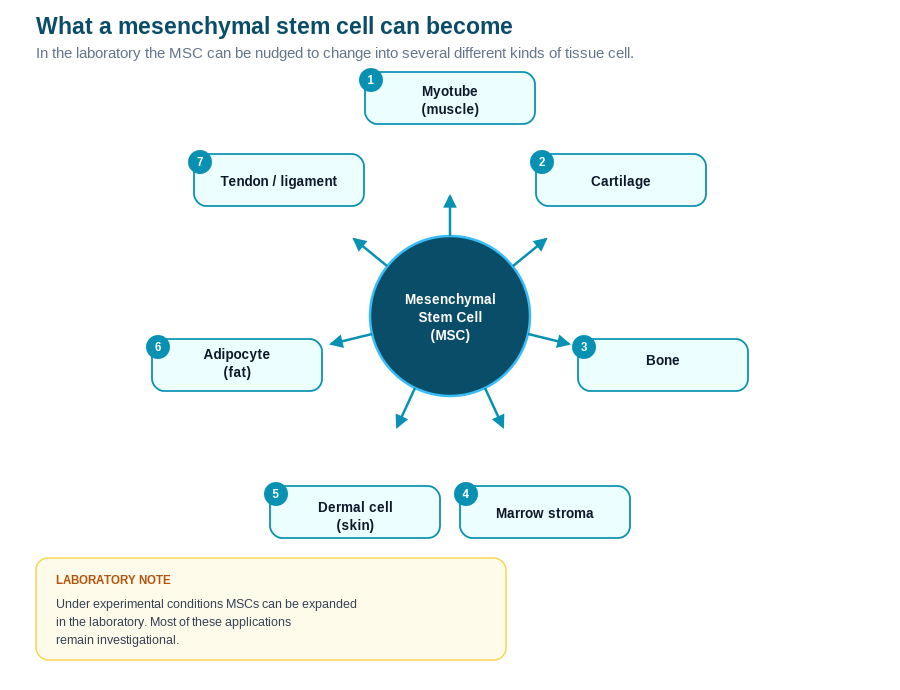
What are MSCs? Mesenchymal stem cells are stromal cells that can self-renew and exhibit multilineage differentiation into a variety of cell types including bone, cartilage, fat and other cells. MSCs have been studied in many conditions (research interest includes GVHD, myocardial infarction, diabetes, liver cirrhosis, spinal cord injury, osteoarthritis, Crohn's disease, multiple sclerosis, aplastic anaemia, lupus, rheumatoid arthritis and others).
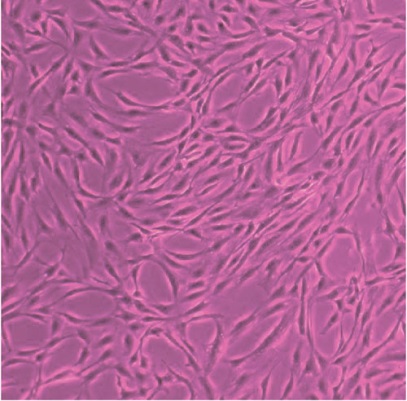
MSC appearance under microscope
Where MSC therapy actually stands
Apart from a few approved uses, MSC therapy is still being researched. Laboratory studies and small early trials have shown promise, but large studies are still needed before it can be called a standard treatment. Please be careful of clinics that offer "stem cell cures" for conditions where there is no good evidence. Here, MSC therapy is discussed as part of a full blood disorder assessment, and the honest answer is often "not yet".
There are serious ethical concerns with ES; ES and iPS also have potential for teratoma formation.
What is exciting about MSC?
Free of ethical concern and teratoma formation
Self-renewal ability; can differentiate into various cell types
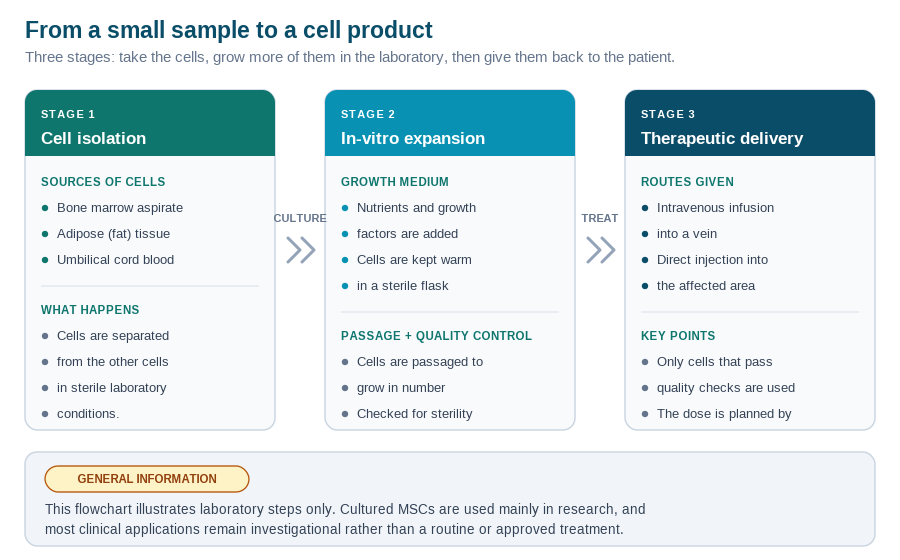
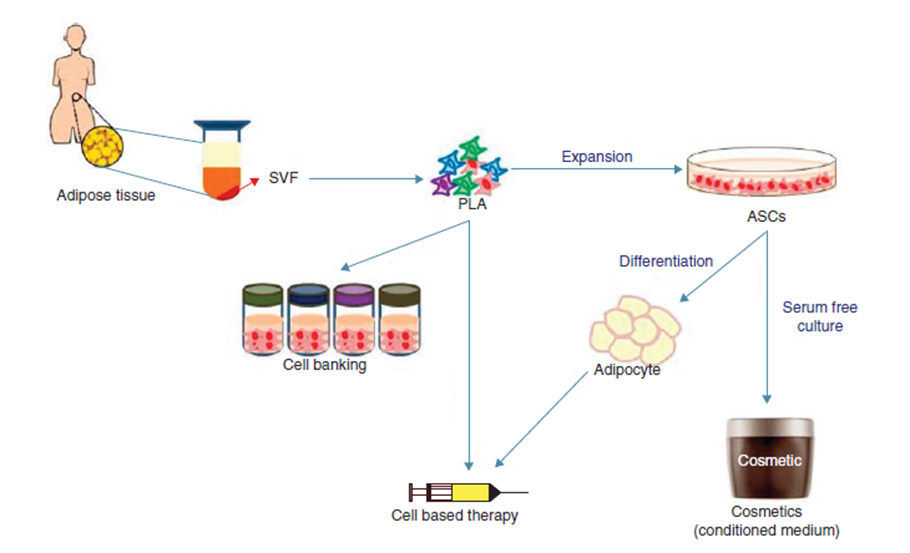
Easily isolated from bone marrow, adipose tissue, umbilical cord; expandable in vitro
Immunomodulatory — they can calm down an over-active immune response as well as promote repair
Lineage differentiation of a mesenchymal stem cell into myotube (muscle), cartilage, bone, marrow stroma, dermal cell (skin), adipocyte (fat), and tendon/ligament.MSC expansion: cell isolation, in-vitro culture expansion, then therapeutic delivery.
How they may work
Tissue Repair
MSCs can repair tissue injury
MSCs can repair tissue injury — they are involved in growth, wound healing, and replacing cells lost through daily wear and tear and pathological conditions (e.g. liver cirrhosis, diabetic limb, bone damage, burn-induced skin defects, cornea damage, spinal cord injury).
Liver cirrhosis
Diabetic limb (diabetic foot and diabetic ulcers)
Bone damage and non-healing fractures
Burn-induced skin defects
Corneal damage
Spinal cord injury
MSCs are able to engraft into damaged tissue for as long as about 13 months after transplantation. The transplanted cells can then undergo site-specific differentiation into cartilage, fat, muscle, heart muscle or bone marrow cells, depending on where in the body they end up.
Immune Regulation Capacity
MSCs have a powerful capacity to regulate (calm) immune responses. This is the best-studied application in haematology, in two settings:
Treatment of graft-versus-host disease in patients receiving bone marrow/stem cell transplantation
Potential roles in Systemic Lupus Erythematosus, Crohn's disease and other immune / non-immune conditions under research
How MSCs are delivered
Intravenous route — MSCs "home" to site of injury/damage
Direct local injection into site of injury/damage
Diseases treated with stem cells / MSCs
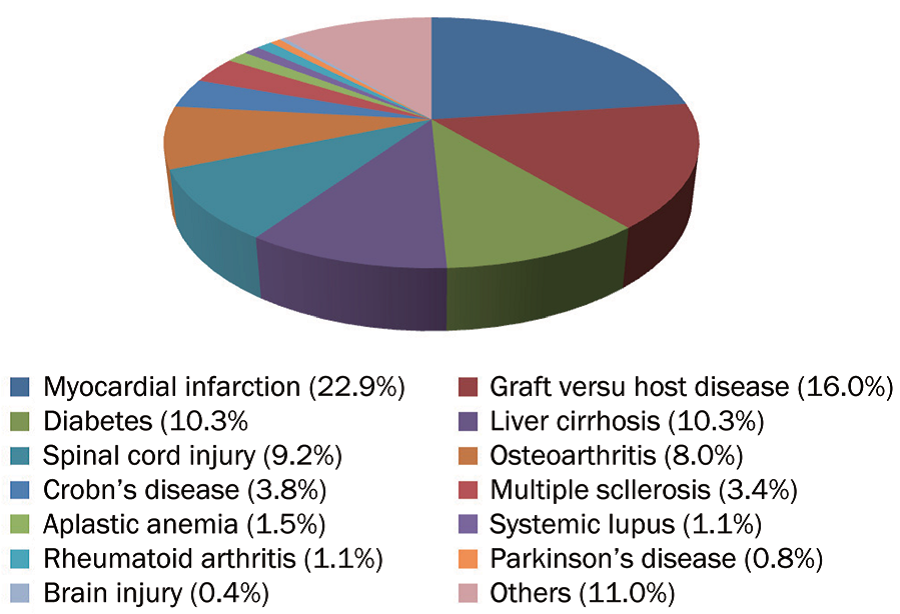
The chart below shows which conditions MSC therapy is being researched for around the world, and the share of studies in each one. It tells you what is being looked into — it does not mean MSC therapy is a proven treatment for any of them.
Distribution of MSC clinical research indications by disease area
Disease / indication
Share of research
Myocardial infarction (heart attack)
22.9%
Graft-versus-host disease
16.0%
Diabetes
10.3%
Liver cirrhosis
10.3%
Spinal cord injury
9.2%
Osteoarthritis
8.0%
Crohn's disease
3.8%
Multiple sclerosis
3.4%
Aplastic anaemia
1.5%
Systemic lupus
1.1%
Rheumatoid arthritis
1.1%
Parkinson's disease
0.8%
Brain injury
0.4%
Others
11.0%
Disease areas of MSC research interest
To place this in context: most of the haematology disease areas on this list — GVHD, aplastic anaemia, leukaemia, lymphoma, myeloma — are managed in this clinic with established, licensed treatments. MSC therapy has a possible future role alongside them, and is the subject of ongoing trials.
MSC expansion
Medical disclaimer: Content on this website is for patient education only. It is not a substitute for professional medical advice, diagnosis, or treatment. Always consult your doctor about your individual condition.