Stem Cell Transplant
Peripheral blood stem cell transplant — autologous and allogeneic — for selected blood cancers and disorders.
Part 1: Stem Cell Basics
What is a Stem Cell?
Stem cells are the "mother" cells that have the potential to develop into different cells in the body — for example blood cells, nerve cells or muscle cells.
Haematopoietic Stem Cells
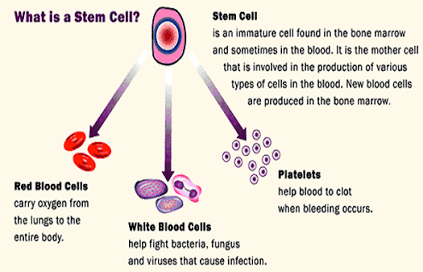
An immature cell found in the bone marrow (and sometimes in the blood). It is the mother cell involved in the production of red blood cells, white blood cells and platelets. New blood cells are produced in the bone marrow.
- Red blood cells — carry oxygen from the lungs to the entire body
- White blood cells — help fight bacteria, fungus and viruses
- Platelets — help blood to clot when bleeding occurs
Sources of Stem Cells
- Bone marrow
- Peripheral blood
- Cord blood
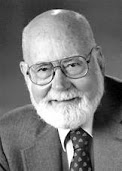
Scientist/haematologist who pioneered the area of stem cell transplantation using stem cells from the bone marrow: E. Donnall Thomas — Nobel Prize Winner 1990.
Reasons for Stem Cell Transplantation
- The bone marrow is diseased — usually from blood-related diseases or cancers such as leukaemia, lymphoma, myeloma, thalassaemia, myelodysplasia, Hodgkin's lymphoma.
- The bone marrow fails to produce adequately — e.g. severe aplastic anaemia, myelodysplastic syndrome, pure red cell aplasia.
Finding a Match (HLA)
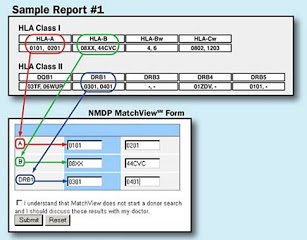
Allogeneic transplants use HLA-matched siblings or unrelated donors (HLA = Human Leucocyte Antigen). Tissue type is determined by blood tests; this genetic information is stored on chromosome 6.
There is about a 1 in 4 chance that a brother or sister has an identical tissue type. More siblings generally mean a higher chance of finding a match. Unrelated donors may be sought via registries (e.g. Malaysian Stem Cell Registry / MSCR).
Types of Transplant
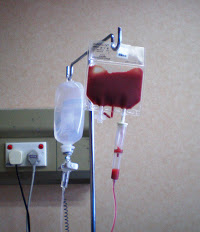
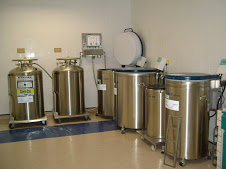
- Autologous — stem cells harvested from the patient's own body, cryopreserved, then returned after high-dose chemotherapy ± radiotherapy
- Allogeneic — stem cells from an HLA-identical sibling, volunteer unrelated donor, or occasionally a slightly mismatched family member
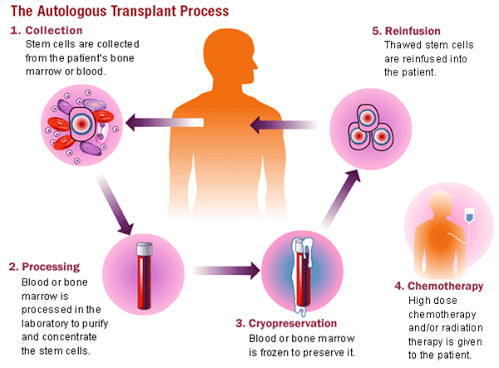
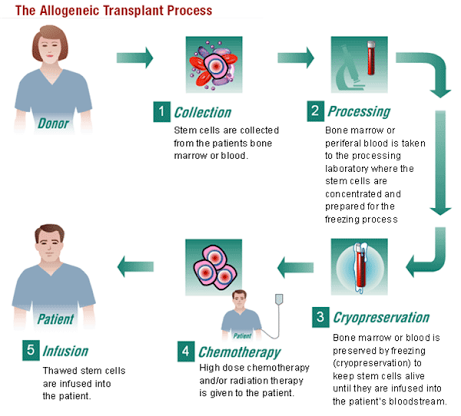
Peripheral Blood Stem Cell Harvest
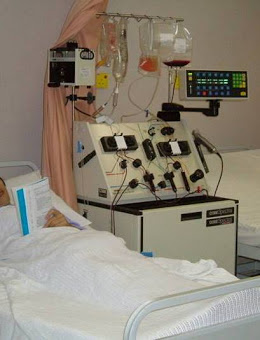
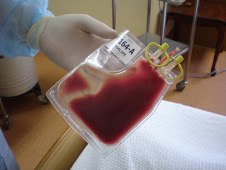
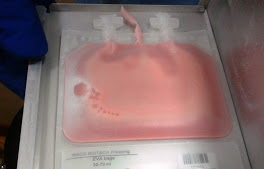
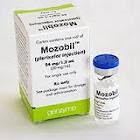
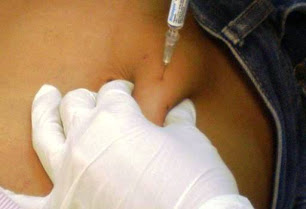
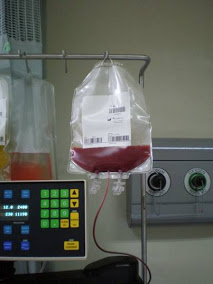
After mobilisation (often with G-CSF ± Plerixafor/Mozobil), the patient/donor is connected to an apheresis machine. Stem cells are harvested by a cell separator; other blood cells return to the body. Similar to dialysis — no surgery.
Stem cells can be used fresh or cryopreserved for future use.
Prior to Transplant
- Dental clearance
- Cardiac & respiratory assessment
- Counselling on sterility
- Counselling sessions with patient and family
Pre-Transplant Conditioning
After admission and central line insertion, conditioning with chemotherapy ± radiotherapy aims to:
- Prevent rejection of stem cells
- Clear residual cancerous cells
Hospital Stay
Admission ~8–10 days before transplant. Usually ~3 weeks after transplant — length varies with complications.
How do I prepare myself for a stem cell transplant?
- Get adequate rest
- Stop smoking
- Maintain ideal body weight
Procedures to expect before transplant may include bone marrow examination, insertion of a triple-lumen central venous catheter, dental clearance, cardiac and respiratory assessment, counselling on sterility, and family counselling. Lumbar puncture is sometimes needed; a thoracic CT scan may be arranged if total body irradiation is planned.
After Transplant — Side Effects
- Low blood count
- Nausea & vomiting
- Hair loss
- Mucositis (sore mouth)
- Fever
- Diarrhoea
- Dry red skin (after total body irradiation)
- Bleeding risk while counts are low
- Infection — bacterial, viral or fungal
First Weeks After
- Nursed in a single room
- Gentle exercise allowed
- Occupy yourself: TV, reading, internet, hobbies
- Visitors: direct family only
- Adequate rest
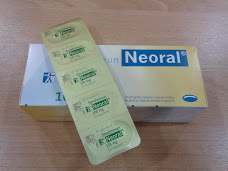
- Medications for GVHD prevention (e.g. cyclosporin / Neoral)
Engraftment & GVHD
Stem cells take about 15–21 days to grow and multiply in the marrow (sometimes longer). The first sign of engraftment is a rising white blood cell count.
When engraftment occurs after allogeneic transplant, graft-versus-host disease (GVHD) may develop. GVHD usually involves three areas: skin, gut and liver.
Recovery Lifestyle & Self-Care
- Hygiene: shower or bathe daily; look for new rashes or bruises
- Mouth care: soft toothbrush; watch for oral thrush/infection
- Avoid infection — do not visit or allow visitors with infection
- Stop smoking permanently; small alcohol only if allowed by your doctor
- Avoid direct sunlight — UV light may precipitate an attack of GVHD
- Take all medications as directed; discuss side effects with your doctor
- Avoid cleaning pet litter
- Sexual relations: libido may be reduced for a time after transplant and usually recovers as you get stronger
- Healthy nutritious diet; avoid food that upsets digestion; be wary of fast-food restaurants
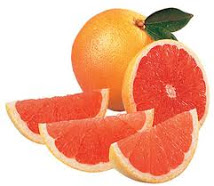
- Grapefruit and some fruits can interact with cyclosporin — ask your doctor/pharmacist
- Check with your doctor before driving — some medicines affect concentration and vision
- Compliant follow-up is essential for clinical and laboratory assessment
Useful Links
- Seattle Cancer Care Alliance — What is BMT?
- Neutropenia & infection prevention
- Neutropenic diet after transplant
- CAR-T & MSC
Medical disclaimer: Content on this website is for patient education only. It is not a substitute for professional medical advice, diagnosis, or treatment. Always consult your doctor about your individual condition.