Platelets help blood clot. When counts are low, bruising and bleeding risk increase.
What are platelets?
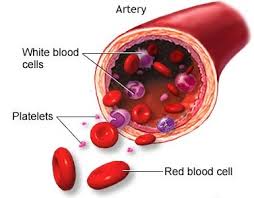
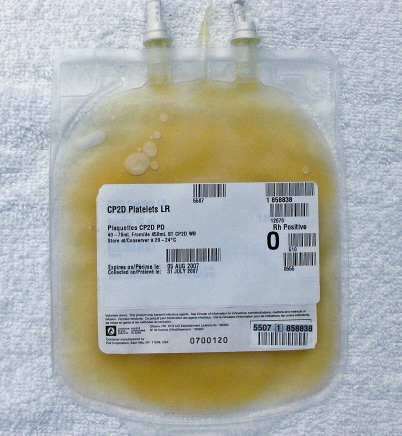
Platelets are blood cells responsible for clotting. Insufficient platelets (as in ITP) raise the chance of bleeding or bruising.
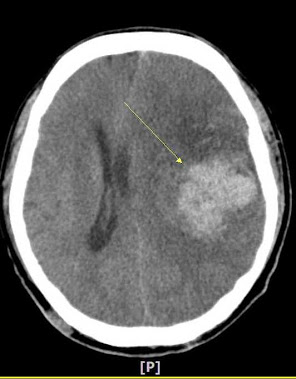
Normal count: 150,000 to 400,000 /uL. Severe ITP: <10,000–20,000 /uL. Above 30,000 /uL is relatively safe against brain bleeding in most cases.
Lifespan of platelet: 5–7 days.
Platelets in circulation
Symptoms of low platelets
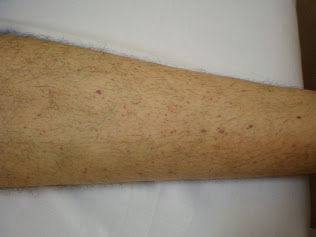
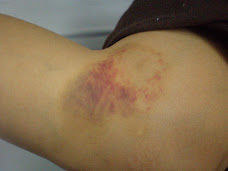
Spontaneous bruising or petechiae. Bleeding gums, blood in urine/stool, heavy prolonged menstruation. Mild thrombocytopenia may have no symptoms and only show on blood count.
Reasons for low platelet count
Decreased production — bone marrow infiltration, leukaemia, MDS, etc.
Excessive destruction — ITP, cirrhosis, etc.
Other reasons: drugs/herbs, viral infection, alcohol.
What should I do?
Arrange a second blood count to confirm. Seek haematologist referral. Avoid strenuous activity, alcohol, blood-thinners (aspirin, clopidogrel), unknown OTC meds/herbs when counts are very low — to prevent life-threatening internal bleeding.
What is ITP?
ITP = Immune Thrombocytopenia. Causes: increased platelet destruction (autoantibodies, cytotoxic B/T cells targeting platelets) and impaired production (targeting megakaryocytes).
How is ITP diagnosed?
ITP is a diagnosis of elimination. Your doctor will do tests that rule out other causes of low platelets. If no other cause is found, the diagnosis is often ITP. Commonly, doctors test for other diseases such as lupus and may do a bone marrow examination.
Bone marrow examination checks that platelet production is working properly (typically at the hip bone, with local anaesthetic). See Bone Marrow Examination.
Types of Treatment
ITP treatment is usually aimed at keeping your platelet count above about 30,000–50,000 per microlitre (targets depend on your body, lifestyle and doctor). Treatments have different risks and benefits; haematologists may use them in combination.
Decrease platelet destruction: corticosteroids, IVIG, anti-RhD, splenectomy; inhibit antibody production with corticosteroids, rituximab, mycophenolate, azathioprine, cyclophosphamide, cyclosporine.
Corticosteroids — suppress immune system and reduce inflammation. An initial course of prednisolone is often given to newly diagnosed patients, hoping the count rises and stays elevated after stopping the drug.
Immunoglobulins (IVIG) — harvested from blood donations; used to stop the spleen from destroying platelets.
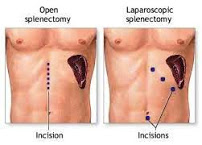
Splenectomy — surgical removal of spleen (laparoscopic or open). Sustained long-term response ~66%. Short-term complications ~12.9%. Long-term: infection, thrombosis, atherosclerosis.
Immunosuppressants — powerful medicines that dampen the immune system and slow platelet destruction (e.g. mycophenolate, azathioprine, cyclophosphamide, cyclosporine).
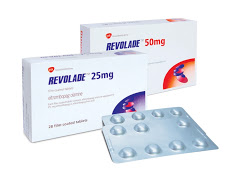
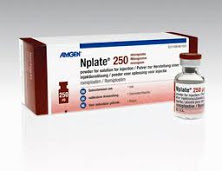
TPO receptor agonists — act like proteins your body uses to tell bone marrow to make more platelets (e.g. Revolade / eltrombopag, NPlate / romiplostim).
Monoclonal antibodies — custom-made antibodies that cause your body to destroy the cells causing platelet destruction (e.g. rituximab).
ITP, pregnancy & bleeding risk
Will I bleed to death? Life-threatening bleeding is very rare. Most dangerous is intracranial bleeding with very low counts — protect your head.
Pregnancy: Many women with ITP deliver healthy babies. Antibodies may cross placenta temporarily; baby's count usually improves as its immune system matures.
If counts drop after stopping prednisolone or side effects are problematic, your haematologist may use short courses or alternative treatments.
Common questions
Can ITP be cured? How long will I need treatment?
ITP can be acute and improve in less than six months, or chronic and linger for many years. The disease can go into remission for a long time — perhaps for the remainder of a person's life — and it can also recur. There is currently no way to predict the course of the disease for every patient.
ITP is often a chronic condition, which means it keeps going, but there are many treatment options. Remember that no one treatment is right for everybody; because there are so many options, there is a good chance you can find a treatment that is right for you.
Some patients with ITP may decide to live with a low but safe count, continuing to closely monitor their situation with their haematologist.
What can I expect from prednisolone?
While prednisolone helps many people with ITP, it has side effects that many patients find difficult to deal with. Most people experience bloating, weight gain, loss of muscle tone, joint aches, gastritis, and irritability. Long-term or high doses can contribute to osteoporosis, high blood pressure, diabetes, and muscle wasting.
Because most people find their platelet count drops as they discontinue prednisolone and the side effects cause problems, your haematologist may prescribe prednisolone only for a short time or recommend an alternative treatment.
Can I give ITP to anyone else or to my children?
Can I give ITP to anyone else? No. ITP is not usually considered a disease that can be passed from one person to another. It is not believed to be an inherited disease in the usual sense.
Pregnancy: If you are a woman who has ITP and become pregnant, some of the anti-platelet antibodies may cross the placenta and your baby may temporarily develop low counts. If this happens, the baby may be treated to prevent bleeding. When the baby's own immune system matures, the platelet count improves.
Your decision to have a child and your treatments during pregnancy depend on your count, symptoms, and overall health and should be discussed with your haematologist and obstetrician. Many women with ITP deliver fine, healthy babies, although this is not without some risk.
Will I bleed to death from ITP?
Life-threatening bleeding is very rare. When it does happen, the most dangerous type is intracranial (inside the head), combined with a very low platelet count. Being careful of your head is always a good idea!
Medical disclaimer: Content on this website is for patient education only. It is not a substitute for professional medical advice, diagnosis, or treatment. Always consult your doctor about your individual condition.