Bone marrow disorders and common co-existing conditions that affect overall health and treatment planning.
◈Blood & bone marrow
Bone marrow
Myelodysplastic Syndrome (MDS)
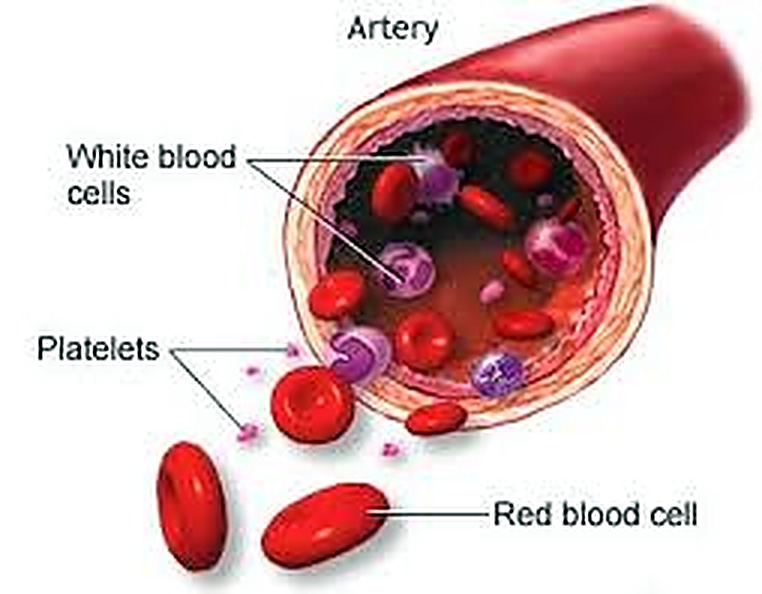
What is MDS? A group of disorders in which the bone marrow does not produce enough healthy blood cells. Patients may have anaemia, infection risk or bleeding. Risk is stratified using systems such as IPSS-R, often supplemented by molecular testing.
Drugs used include Vidaza (azacitidine) and Dacogen (decitabine) (hypomethylating agents / HMA).
Vidazaazacitidine for injection100 mg single-use vialPharmion
Dacogendecitabine for injection50 mg per vialHypomethylating agent (HMA)
Classification — the WHO 5th edition
What a classification is for. WHO (the World Health Organization) publishes a classification that gives every haematological cancer a standard name. It matters because it tells the whole world — laboratories, registries, doctors, drug trials — that people given the same label genuinely have the same disease. It is also how clinical trial results can be compared at all.
The 5th edition, published in 2022, is the first to be built mainly around genetic findings rather than appearance alone. Wherever possible, an MDS diagnosis is now named after the gene fault that is driving it.
WHO 5th edition classification of myelodysplastic syndromes (MDS)
Group
Entity
What defines it
MDS with defining genetic abnormalities
MDS with low blasts and SF3B1 mutation
An SF3B1 fault with fewer than 5% immature cells. Replaces the older term “refractory anaemia with ring sideroblasts”
MDS with low blasts and biallelic TP53 inactivation
TP53 — the “guardian of the genome” — damaged in both copies. A new entity in this edition, and one of the more difficult forms to treat
MDS with defining genetic abnormalities, other
Rare defined faults such as a MECOM rearrangement, kept together until more is known about them
MDS, defined by appearance
MDS with low blasts (MDS-LB)
Fewer than 5% immature cells. Sub-divided by whether one or several blood lines are low, and whether ring sideroblasts are present
MDS, hypoplastic
The marrow is empty rather than crowded. Often mistaken for aplastic anaemia, and treated differently
MDS with increased blasts, MDS-IB1
5–9% immature cells in the marrow
MDS with increased blasts, MDS-IB2
10–19% immature cells. Now one step short of acute myeloid leukaemia (AML), which begins at 20%
MDS with fibrosis
The marrow is replaced by scar-like fibrous tissue. Newly its own entity in this edition rather than a sub-label of another type
Stand-alone entity
MDS with isolated del(5q)
Loss of part of chromosome 5, and nothing else abnormal. In this edition it no longer has to be the only problem, and the particular cell changes previously required are no longer necessary
MDS/MPN overlap — both low and high counts
MDS/MPN with SF3B1 mutation and thrombocytosis
SF3B1 fault plus a raised platelet count (450×109/L or more)
MDS/MPN with neutrophilia (aCML)
A raised white cell count driven by one abnormal cell line. Renamed from “MPN, not otherwise specified, with neutrophilia”
MDS with chronic myelomonocytic leukaemia (CMML)
A specific monocyte abnormality alongside low counts
Two things worth knowing
Classification is not the same as risk. The WHO classification says what the disease is. Risk is worked out separately, using scores such as IPSS-R and WPSS. You need both.
Genetic testing decides the label, so ask whether it has been done. Without a marrow NGS panel and cytogenetics, several of the entities above cannot be distinguished — and the specific treatment for isolated del(5q) or SF3B1-mutant disease would be missed.
MDS with BCR::ABL1 is not MDS. If that fusion is present, the diagnosis is chronic myeloid leukaemia, which is treated completely differently.
Source: Khoury et al. The 5th edition of the World Health Organization Classification of Haematolymphoid Tumours. Leukemia 2022. The International Consensus Classification (ICC, Arber et al. 2022) runs in parallel and differs in a few details; either is acceptable, but your report should say which was used.
Treatment approach (overview)
Consider clinical trial enrolment for all patients
Supportive care (transfusions, antimicrobials) as needed for all patients
Risk stratification using IPSS-R, supplemented by molecular testing
MDS treatment algorithm by risk category and specific condition
Category
Sub-branch
Specific condition
Recommended therapy
Asymptomatic lower-risk
Observe until symptomatic / progression
–
–
Lower-risk
Anaemia
Anaemia with del(5q)
Lenalidomide
Anaemia with sEPO < 500 U/L
ESA (erythropoiesis-stimulating agent)
Other anaemia
Lenalidomide, or HMA, or IST, or supportive care alone
Other cytopenias
Haematopoietic growth factors, or HMA, or IST, or supportive care alone
Higher-risk
–
Transplant candidate
Allogeneic transplant; HMA as a bridge to transplant
Non-transplant candidate
HMA until disease progression or intolerance
Abbreviations: EPO = erythropoietin; ESA = erythropoiesis-stimulating agent; HMA = hypomethylating agent; IST = immunosuppressive therapy (anti-thymocyte globulin, ciclosporin or tacrolimus); sEPO = serum erythropoietin; del(5q) = deletion of chromosome 5q.
Clinical trials should be considered for all patients, but it is recognised that many patients will not have access to trials, will not be eligible for available trials, or will not want to go on trials — especially those who would need to travel to a major centre. In fact only a small proportion of MDS patients are currently enrolled on prospective interventional trials. Increased trial enrolment is an important goal, given the continued poor outcomes with MDS.
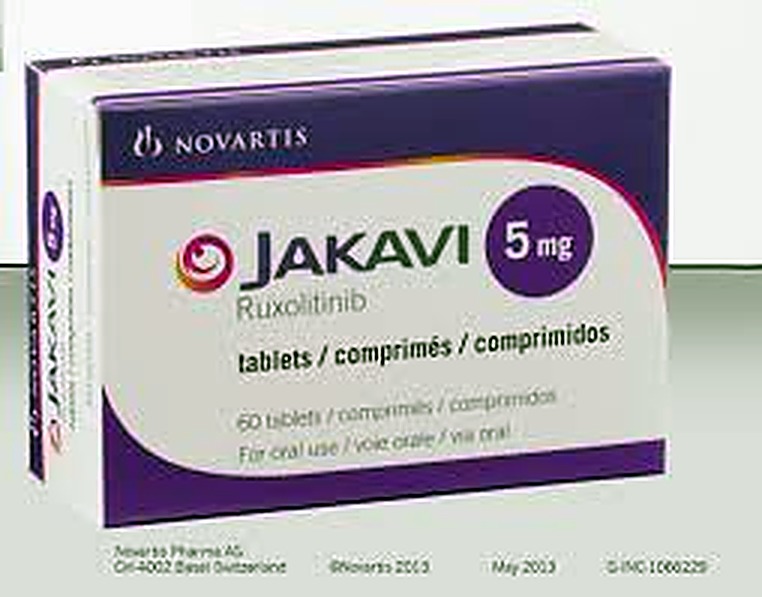
Drug used in selected MPN includes Jakavi (ruxolitinib). Therapeutic venesection/phlebotomy may be used in PV.
Jakaviruxolitinib5 mg tabletsNovartis
Jakavi (ruxolitinib)
Besremi (ropeginterferon alfa-2b)
What it is. Besremi is a long-acting form of interferon, a protein the body makes naturally. Interferon switches off the signals that tell the abnormal myeloid cell to keep multiplying. This version is “pegylated” — a chemical tail is attached so it stays in the body far longer, which is why it is given once a week rather than several times.
Why it is different. Phlebotomy and hydroxyurea control the blood counts but do not usually change the underlying clone. Interferon is the one treatment that can reduce the JAK2 mutation level and occasionally produce a molecular remission. For some patients — particularly younger patients, or those with a high risk of clotting — that matters, and it is why it is offered alongside the older drugs rather than only after them.
Often preferred because
It may change the disease itself, not just the counts
Younger and lower-risk patients, who have the most to lose
It is not associated with the long-term toxicity of hydroxyurea on blood counts
Needs care because
It can cause low mood, anxiety or depression, and these are monitored for
It can trigger autoimmune problems, particularly thyroid disease
It is given by weekly injection, and the first weeks often bring flu-like symptoms
How it is given: a subcutaneous injection once a week, at a dose adjusted over the first few months. Self-injection is taught, and many people manage it themselves at home.
Common early effects: flu-like tiredness, aching and fever, plus redness at the injection site. These usually settle over the first weeks.
Monitoring: blood counts, thyroid function, liver function and mood are checked regularly — the thyroid and mood checks are specific to this drug class.
It is approved for polycythaemia vera in adults. It is sometimes used in essential thrombocythaemia and myelofibrosis, but the strongest evidence and the licensed indication are in PV.
Two things to check
Availability. Besremi is newer and considerably more expensive than hydroxyurea, and whether it is available to you in Malaysia depends on your insurer and your hospital. Ask before you commit to it — the alternatives are effective. Depression and mood. Interferons can affect mood. If you have a history of depression or anxiety, say so, because it changes the choice and you will be monitored more closely.
The evidence behind this drug
Besremi was approved by the US Food and Drug Administration in 2021 for adults with polycythaemia vera. These are the primary documents behind that decision, and the trial paper they rest on. We link to them so you can read the evidence yourself rather than take our word for it.
One point of honesty about the trial paper: it was a non-inferiority trial. It showed ropeginterferon alfa-2b controlled blood counts at least as well as the treatment it was compared against — not that it was better. The two FDA documents above are what record the approval decision itself.
Patient education for each of the three main MPN conditions — with its own leaflet to download.
MPN is a family name. Three conditions make up most of it. They behave differently, and knowing which one you have is the first step to understanding what happens next.
Polycythaemia Vera (PV)
What is happening. The marrow makes too many red cells, so the blood thickens. Almost always driven by a JAK2 mutation, less often a JAK2 exon 12 change.
Symptoms: often none at all, found on a routine blood test. When they occur: a ruddy face, headaches, dizziness, blurred vision, itching in the water after a hot bath, and sometimes gout in a big toe joint.
The main risk is clotting — in the veins of the leg, lung or brain. This is why aspirin is often started even when you feel completely well.
Treatment:phlebotomy (draining a unit of blood regularly) to keep the haematocrit in range; low-dose aspirin; hydroxyurea if phlebotomy alone is not enough; interferon (such as Besremi) where available and appropriate; and JAK inhibitors such as ruxolitinib if the disease turns into myelofibrosis.
Watch out for: sudden breathlessness or chest pain (possible clot), and any sudden weakness or numbness (possible stroke). Seek help the same day.
The National Cancer Institute covers all three MPN conditions on one page, so this is the same link for each.
Essential Thrombocythaemia (ET)
What is happening. The marrow makes too many platelets, which makes the blood stickier. Usually driven by a JAK2, CALR or MPL mutation.
Symptoms: most people have none. Some get headaches, a tingly or burning feeling in the hands or feet (from disturbed nerve signalling in small vessels), visual disturbance, or, most importantly, bleeding or clots.
The main risks are both directions: clotting and abnormal bleeding, because very high platelet numbers can interfere with clotting. Minor bruising or nosebleeds are common; major bleeding is uncommon.
Treatment: very low risk needs only observation and low-dose aspirin. Higher risk adds hydroxyurea or interferon. A JAK inhibitor is used if the disease progresses to myelofibrosis.
Watch out for: persistent bleeding, a new painful swollen calf, or sudden breathlessness.
The National Cancer Institute covers all three MPN conditions on one page, so this is the same link for each.
Primary Myelofibrosis (PMF)
What is happening. The marrow is gradually replaced by fibrous scar tissue, so it cannot make enough blood cells. Blood counts become low, and the spleen takes over blood production, so it enlarges. Some patients start with high counts (a “prefibrotic” phase) before counts fall.
Symptoms: the most troublesome is a feeling of fullness or pain in the left upper abdomen from an enlarged spleen, with early satiety. Also fatigue (often from anaemia), weight loss, night sweats, fever, and intense itching.
Risk matters more than the diagnosis label. Scoring systems — DIPSS, DIPSS-plus, MIPSS70+ and rIPSS (revised, for transplant eligibility) — estimate survival and guide whether a transplant is worth considering.
Treatment:JAK inhibitors — ruxolitinib, fedratinib, pacritinib or momelotinib — reduce spleen size and symptoms and are the main therapy. Interferon is used, particularly in younger patients. Supportive care includes transfusions, iron and vitamin support. Allogeneic stem cell transplant is the only curative treatment, usually considered in fit, higher-risk or younger patients.
Watch out for: rapidly increasing abdominal fullness, worsening fatigue, new night sweats or fever, and any new bruising or bleeding.
The National Cancer Institute covers all three MPN conditions on one page, so this is the same link for each.
In common to all three
They usually progress slowly, and many people live normal active lives for years or decades.
They are not inherited in the way some conditions are. They arise in a single blood cell during life. Rare families do exist, but it is not usually a hereditary condition.
There is a late stage. PV and ET can eventually scar into post-PV/ET myelofibrosis, and any of them can transform into acute myeloid leukaemia. This is uncommon but is why regular blood tests and monitoring are not optional.
What you can change matters. Smoking, weight and general cardiovascular health add to the clotting risk, so they are part of managing these conditions.
Sources: WHO 5th edition of the Classification of Haematolymphoid Tumours (Khoury et al., Leukemia 2022); NCI PDQ Myeloproliferative Neoplasms Treatment; FDA approval documents for Besremi, NDA 761166 (2021), including the FDA medical review and the approved prescribing information; EMA product information for Besremi (ropeginterferon alfa-2b-njft); PROUD-PV and CONTINUATION-PV, The Lancet Haematology 2020. Availability of Besremi in Malaysia is not confirmed here — please check locally.
◈Metabolic health
Metabolic
Diabetes Mellitus
Diabetes requires lifelong attention to diet, activity, medications/insulin when needed, and monitoring. Metabolic syndrome links obesity, high sugar, lipids and blood pressure.
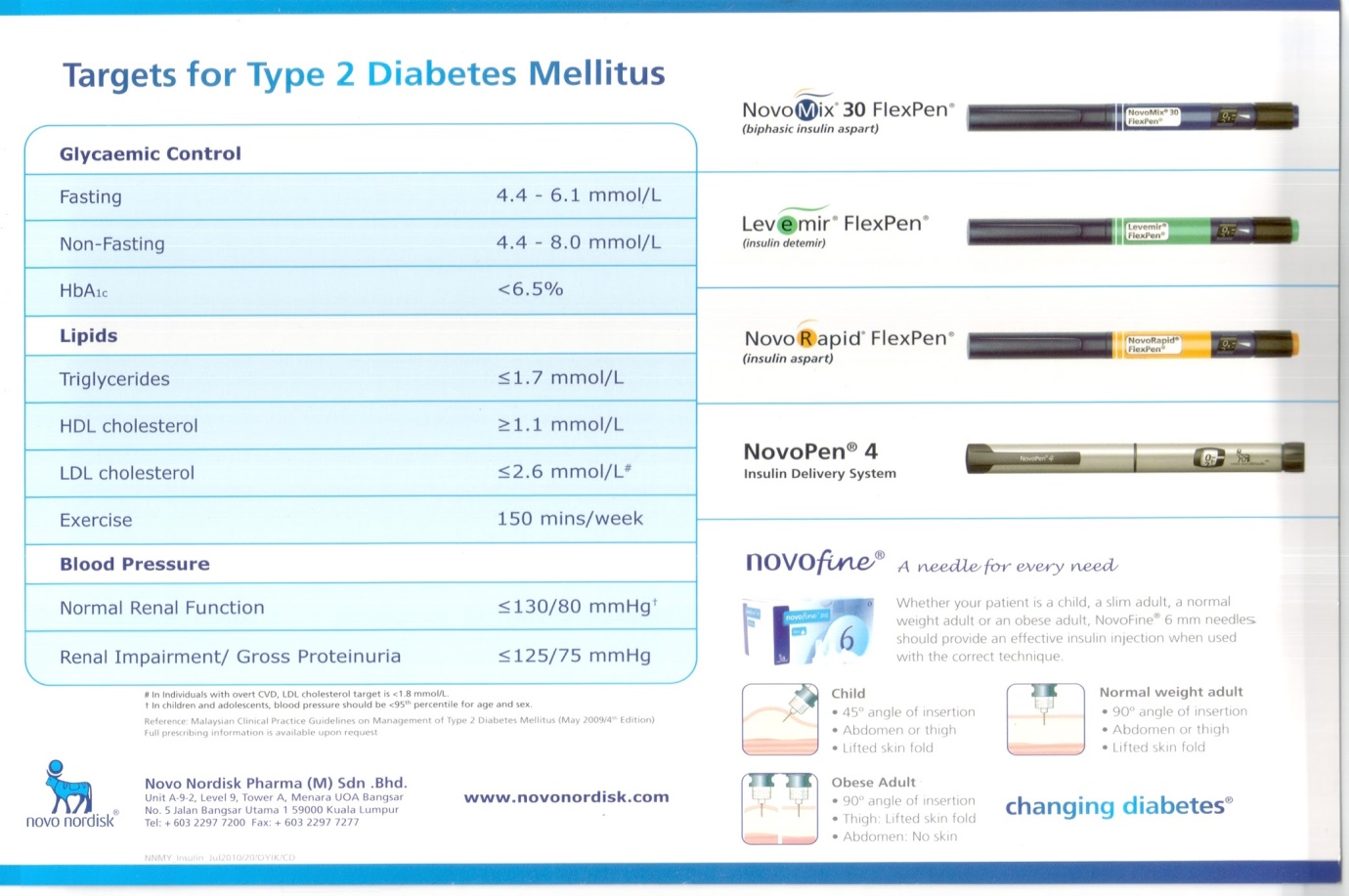
* In individuals with overt cardiovascular disease, the LDL cholesterol target is < 1.8 mmol/L. † In children and adolescents, blood pressure should be below the 90th percentile for age and sex. Reference: Malaysian Clinical Practice Guidelines on Management of Type 2 Diabetes Mellitus (4th edition, 2009).
Targets for Type 2 Diabetes Mellitus
Metabolic
Hypertension
High blood pressure is a major risk factor for heart disease, stroke and kidney disease. Targets may be stricter if you have diabetes or kidney impairment (e.g. ≤130/80 mmHg with normal renal function; tighter targets if renal impairment/proteinuria — follow your doctor's advice).
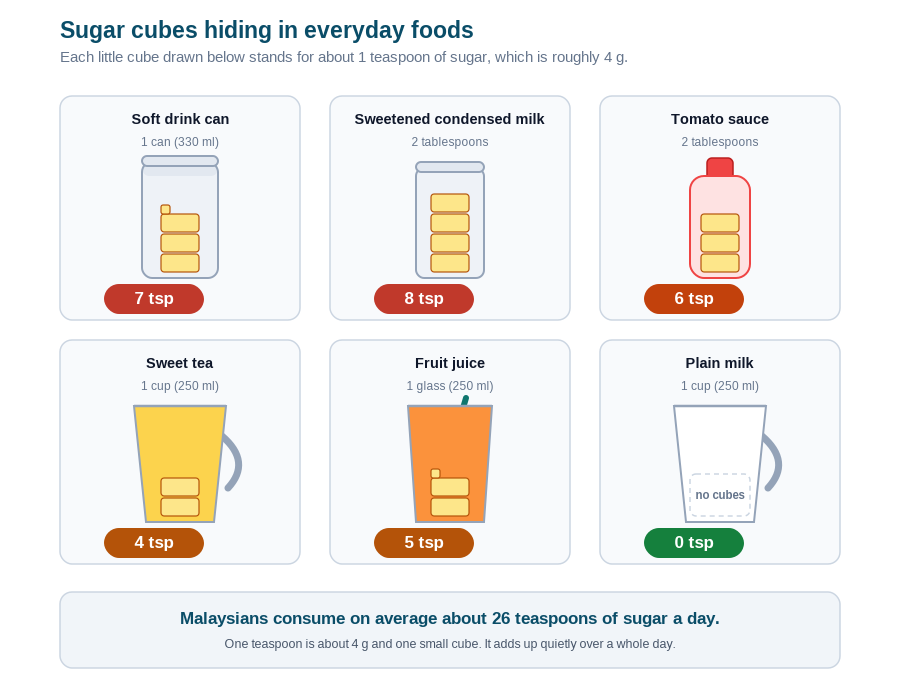
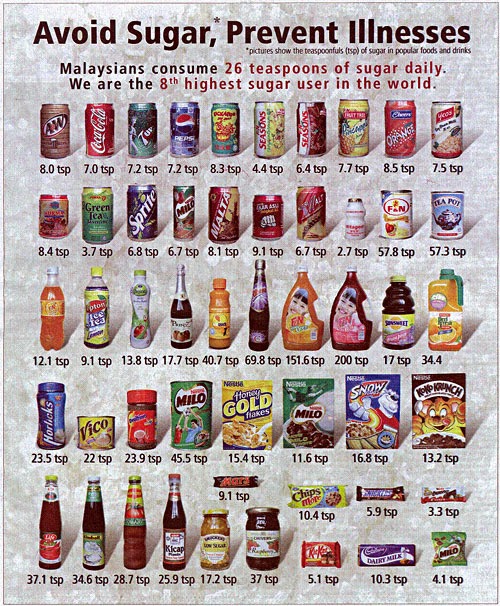
Avoid sugar, prevent illnesses: Malaysians consume on average about 26 teaspoons of sugar daily and rank among the highest sugar users in the world. Reducing sugar helps prevent diabetes, metabolic syndrome and related illnesses.
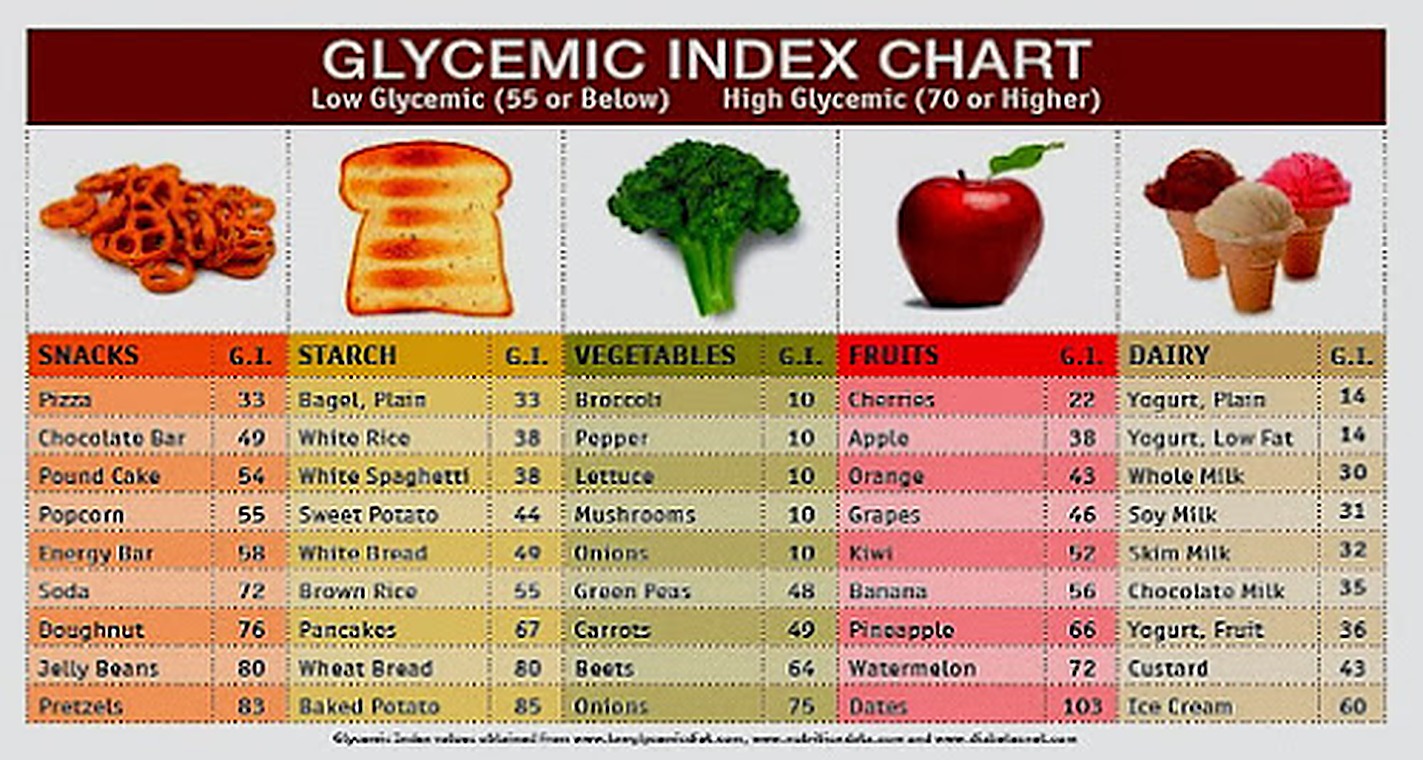
Low glycaemic foods: G.I. 55 or below. High glycaemic foods: G.I. 70 or higher. Choose the low-G.I. option more often — it raises blood sugar more slowly after eating.
Glycaemic index (G.I.) of common snacks, starches, vegetables, fruits and dairy foods
Snacks
G.I.
Starch
G.I.
Vegetables
G.I.
Fruits
G.I.
Dairy
G.I.
Pizza
33
Bagel, plain
33
Broccoli
10
Cherries
22
Yogurt, plain
14
Chocolate bar
49
White rice
38
Pepper
10
Apple
38
Yogurt, low fat
14
Pound cake
54
White spaghetti
38
Lettuce
10
Orange
43
Whole milk
30
Popcorn
55
Sweet potato
44
Mushrooms
10
Grapes
46
Soy milk
31
Energy bar
58
White bread
49
Onions
10
Kiwi
52
Skim milk
32
Soda
72
Brown rice
55
Green peas
48
Banana
56
Chocolate milk
35
Doughnut
76
Pancakes
67
Carrots
49
Pineapple
66
Yogurt, fruit
36
Jelly beans
80
Wheat bread
80
Beets
64
Watermelon
72
Custard
43
Pretzels
83
Baked potato
85
Onions
75
Dates
103
Ice cream
60
Teaspoons of sugar in everyday drinks and foods
Approximate teaspoons of sugar per serving
Drink or food
tsp
Drink or food
tsp
Drink or food
tsp
A&W
8.0
Green Tea (Pokka)
3.7
Ribena Sparkling
17.7
Coca-Cola
7.0
Sprite
6.8
Twister Tropicana
40.7
7-Up
7.2
Milo Can
6.7
Ribena Cordial
69.8
Pepsi
7.2
Malta
8.1
Sunquick Orange
151.6
100 Plus
8.3
F&N Sarsi
9.1
Sunquick Berries
200
Seasons Ice Lemon Tea
4.4
Red Bull
6.7
Sunsweet Prune Juice
17
Yeo's Chrysanthemum
6.4
Yakult
2.7
Marigold Peel Fresh Orange
34.4
Fruit Tree
7.7
F&N Sweetened Condensed Milk
57.8
Horlicks
23.5
Cheers Orange
8.5
Tea Pot Sweetened Condensed Milk
57.3
Vico
22
Yeo's Soya
7.5
Minute Maid Pulpy
12.1
Milo Powder
23.9
Drinho Green Tea
8.4
Lipton Ice Tea
9.1
Milo Refill Pack
45.5
KitKat 4-finger
5.1
Pokka Carrot Juice
13.8
Nestle Honey Gold Flakes
15.4
Snickers
5.9
Nestle Milo Cereal
11.6
Snow Brand Condensed Milk
16.8
Kit Kat
3.3
Koko Krunch
13.2
Kaya (Yeo's)
9.1
Milo Bar
4.1
Chipsmore
10.4
Cadbury Dairy Milk
10.3
Tomato Sauce
37.1
Chilli Sauce
34.6
Kicap Manis
28.7
Kicap Pekat
25.9
Low Sugar Jam
17.2
Chivers Jam
37
Figures are teaspoons of sugar per typical serving. Condensed milk, cordial and fruit concentrates are by far the largest contributors — a single serving can contain most of a day's recommended free sugar.
Sugar cubes in everyday foods — Malaysians consume on average about 26 teaspoons of sugar a day.
Lifestyle
Insulin Education
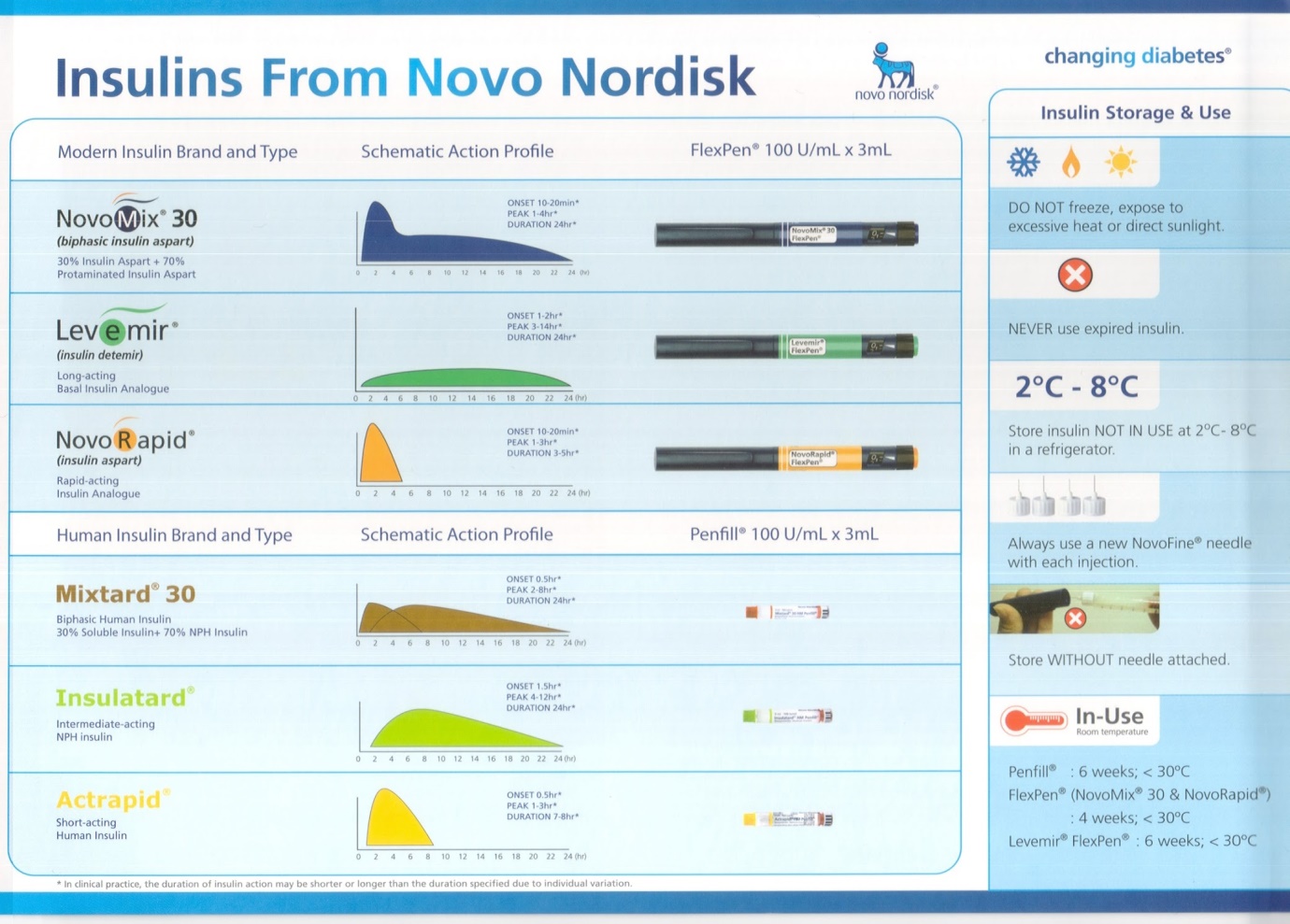
Types of insulin (Novo Nordisk family), action profiles, storage (2–8°C), and injection technique education.
Modern insulin — brand and type
Modern insulin analogue brands, composition and delivery device
Medical disclaimer: Content on this website is for patient education only. It is not a substitute for professional medical advice, diagnosis, or treatment. Always consult your doctor about your individual condition.

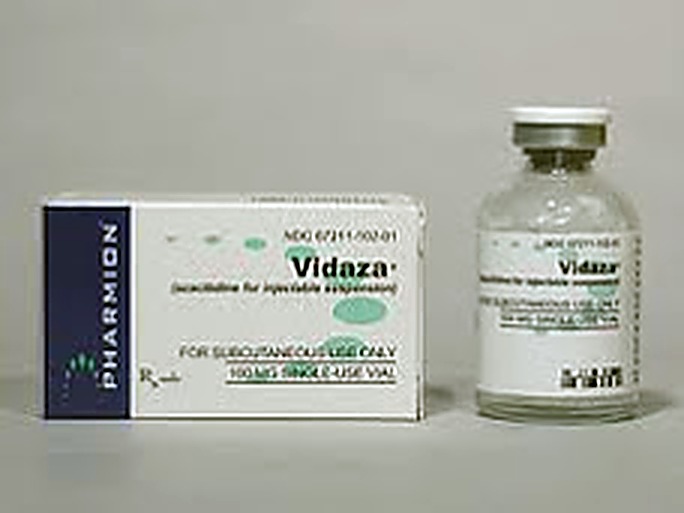 Vidaza azacitidine for injection 100 mg single-use vial Pharmion
 Dacogen decitabine for injection 50 mg per vial Hypomethylating agent (HMA)