
Supportive Care

Therapies that reduce discomfort and manage complications associated with disease and treatment.

Care guides

Procedures & patient guides

Choose a topic card below to open the full patient guide.

Overview
Overview

Examples of Supportive Therapy

Supportive care runs alongside disease-directed treatment to keep you safer and more comfortable. Common approaches include:

  • Pain killers
  • Antibiotics
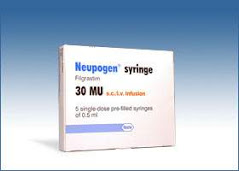
  • Growth factors (G-CSF)
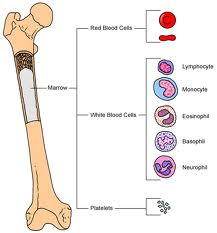
  • Erythropoietin (red cell stimulants)
  • Blood transfusion
  • Bisphosphonates (bone health / calcium)
  • Radiation for local control
  • Medication for nerve damage (neuropathy)
Important

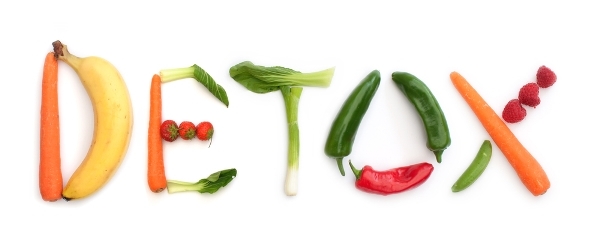
The Truth about "DETOX"

Be cautious of unproven detox claims during cancer treatment. Discuss any supplements or alternative products with your haematologist first.

Unverified “cleanses” and high-dose supplements can interfere with treatment or cause harm. Always check with your doctor first.

Detox discussion — vegetables arranged as the word DETOX
Discuss supplements with your doctor before use
Components

Blood Transfusion

Different blood components may be prescribed depending on your needs.

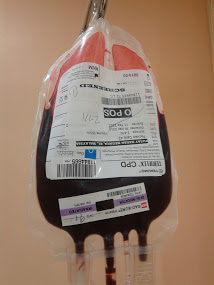
Packed red cells
Packed red cells With leucocyte filter option when needed
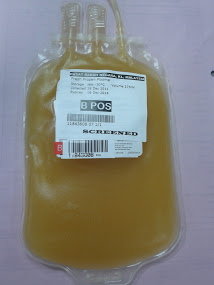
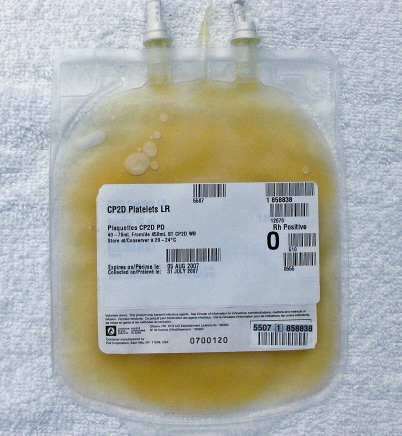
Single donor platelets
Single-donor platelets Apheresis platelets for low counts
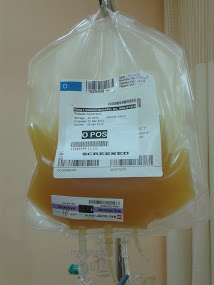
Fresh frozen plasma
Plasma (FFP) Fresh frozen plasma for clotting support
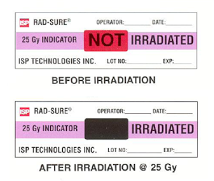
Blood irradiation
Irradiation Cellular components (e.g. RAD-SURE indicator)
Leucocyte filter
Leucocyte filter Reduces white cells in the unit
Platelet concentrate
Platelet concentrate Pooled or concentrated platelet product
Imaging & access

PET/CT Scan

How PET/CT works and when it is used in cancer staging and response assessment.

Imaging

How Does PET/CT Scan Work?

PET (positron emission tomography) combined with CT shows both metabolic activity and anatomy. A small amount of radioactive tracer (commonly a glucose analogue) is injected; areas of high metabolic activity — including many cancers — light up on the scan. CT provides precise anatomical mapping.

PET/CT is commonly used for staging lymphomas and some other cancers, and for assessing response after treatment. Your doctor will advise whether you need this scan.

  • Preparation may include fasting and resting quietly before the scan
  • The scan itself is painless; you lie still on a table that moves through the scanner
  • Results are interpreted together with your clinical history and other tests

See also: Lymphoma — PET/CT staging · Chemotherapy

Access

Central Lines & Delivery

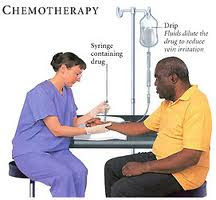
Supportive care and chemotherapy may require reliable intravenous access:

  • Peripheral cannula — temporary vein access
  • PICC — enters arm vein, tip near the heart
  • Chemoport / Portacath — under the skin for repeated access
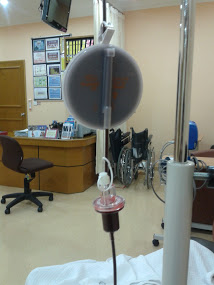
  • Central venous catheter (CVC) — for intensive therapy

Details and photos: Chemotherapy delivery

Nutrition

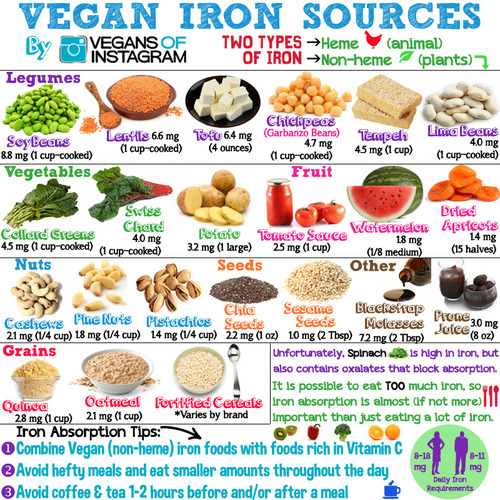
Food Rich in Iron

When anaemia is present, iron-rich nutrition may help support recovery (alongside medical treatment decided by your doctor).

Nutrition guide

Two types of iron

Your body absorbs iron differently depending on the source. Knowing the difference helps you make smarter food choices while recovering.

Heme iron

From animal sources — better absorbed

Non-heme iron

From plants — pair with Vitamin C for better uptake

Absorption tips

Combine non-heme iron with Vitamin C (citrus, tomato, peppers)

Avoid coffee and tea 1–2 hours before and after iron-rich meals

Ask your doctor before taking iron supplements during active treatment

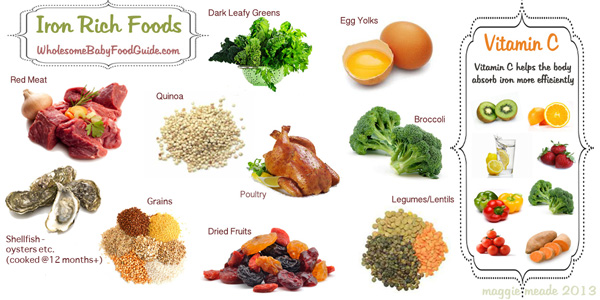
Iron rich foods plate
Iron-rich plate Everyday foods that support healthy iron intake
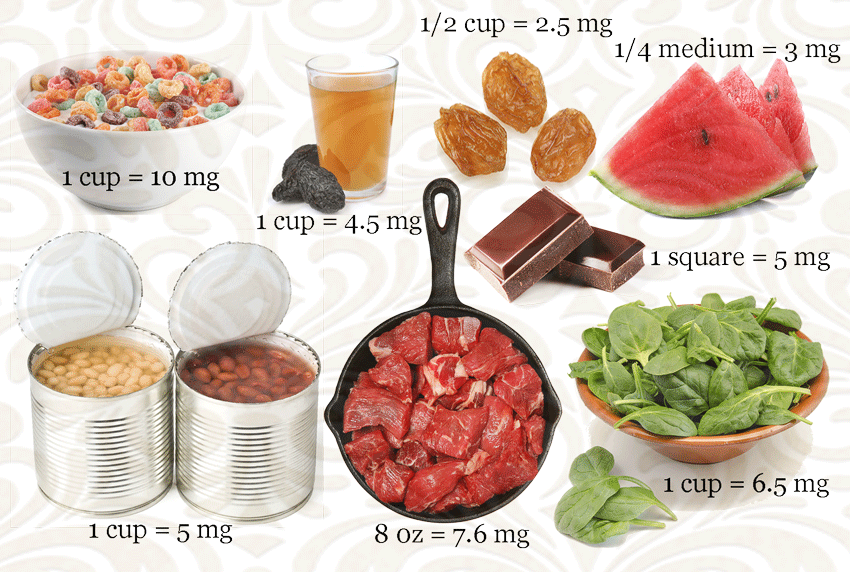
Iron rich foods chart
Food sources chart Reference guide to higher-iron options
Plant-based iron sources
Plant-based sources Non-heme iron from vegetables, legumes and grains

Medical disclaimer: Content on this website is for patient education only. It is not a substitute for professional medical advice, diagnosis, or treatment. Always consult your doctor about your individual condition.