Supportive Care

Therapies that reduce discomfort and manage complications associated with disease and treatment.

Care guides

Procedures & patient guides

Choose a topic card below to open the full patient guide.

Jump to topic
  1. Supportive therapies
  2. About “detox”
  3. Blood transfusion
  4. PET/CT & access
  5. Iron-rich foods
Overview
Overview

Examples of Supportive Therapy

Supportive care runs alongside disease-directed treatment to keep you safer and more comfortable. Common approaches include:

  • Pain killers
  • Antibiotics
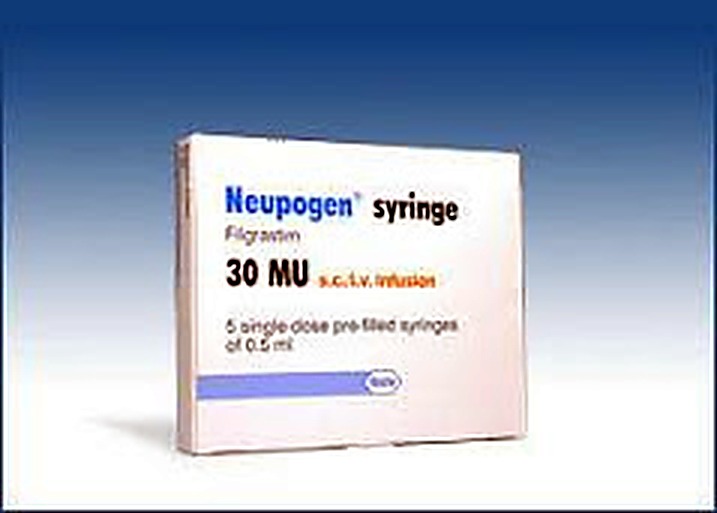
  • Growth factors (G-CSF)
  • Erythropoietin (red cell stimulants)
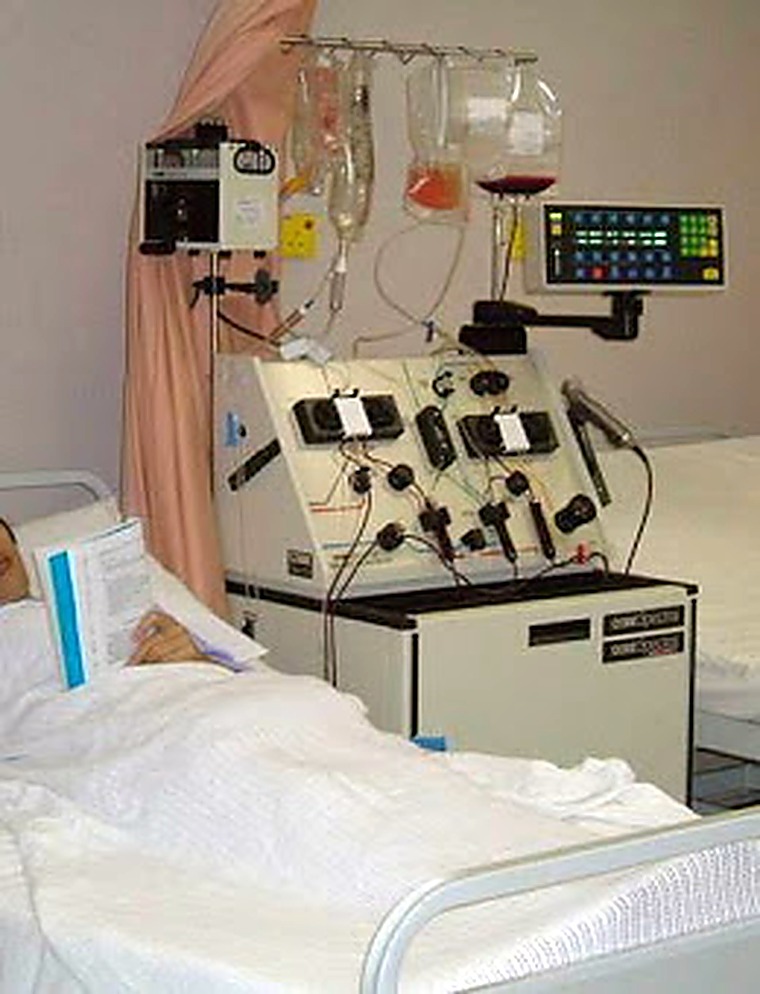
  • Blood transfusion
  • Bisphosphonates (bone health / calcium)
  • Radiation for local control
  • Medication for nerve damage (neuropathy)
Important

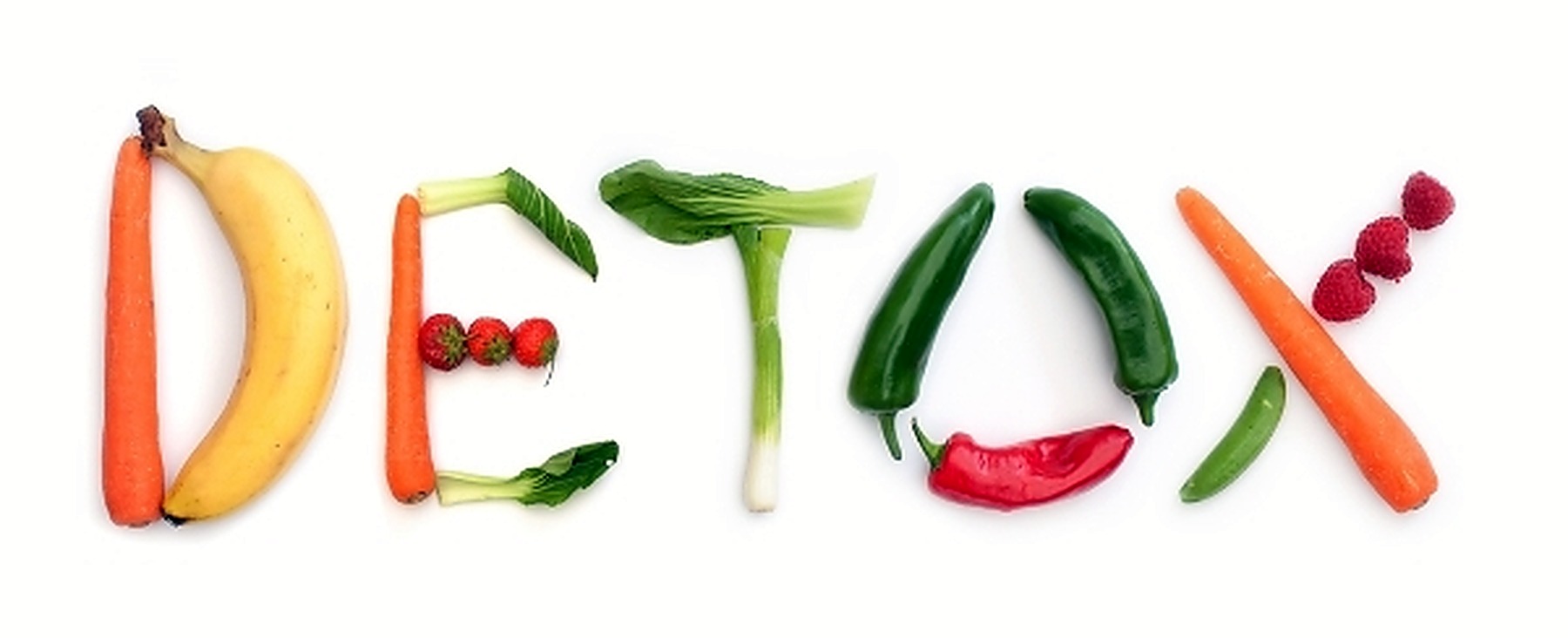
The Truth about "DETOX"

Be cautious of unproven detox claims during cancer treatment. Discuss any supplements or alternative products with your haematologist first.

Unverified “cleanses” and high-dose supplements can interfere with treatment or cause harm. Always check with your doctor first.

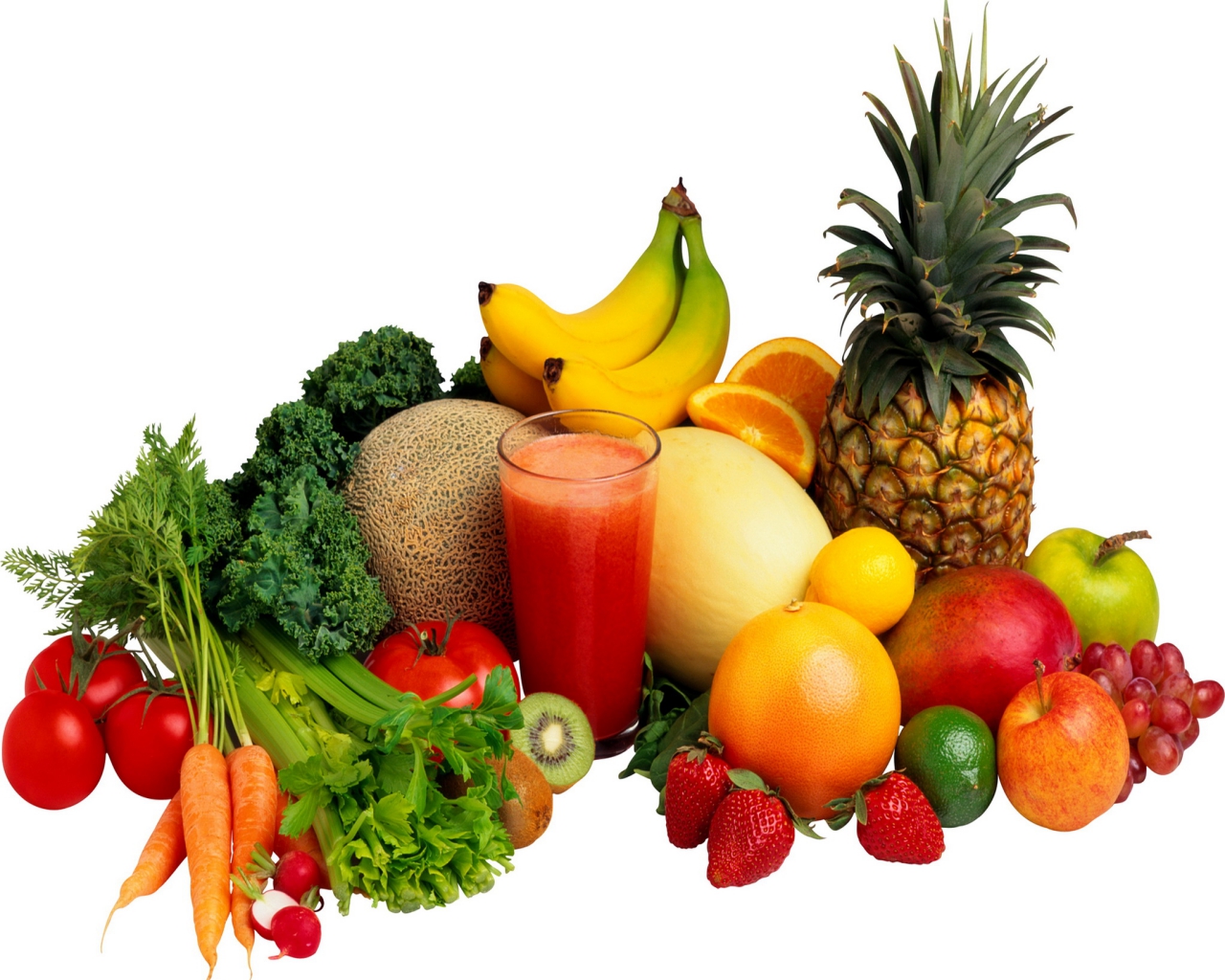
Detox discussion — vegetables arranged as the word DETOX
Discuss supplements with your doctor before use
Components

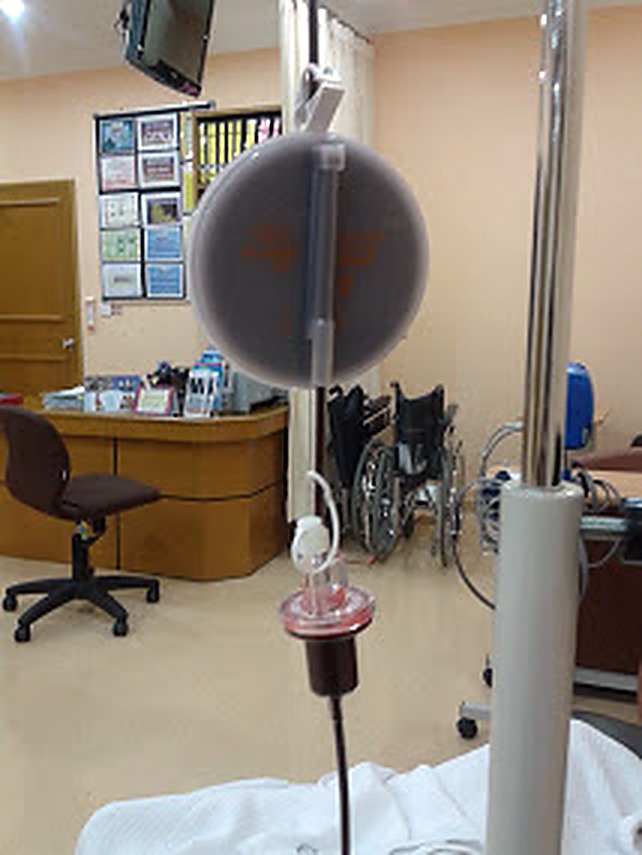
Blood Transfusion

Different blood components may be prescribed depending on your needs.

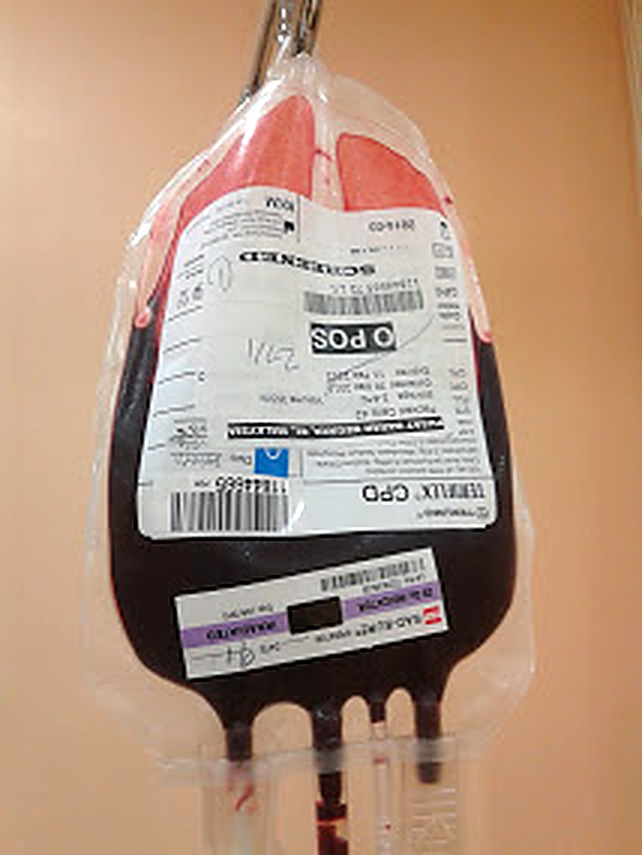
Packed red cells
Packed red cells With leucocyte filter option when needed
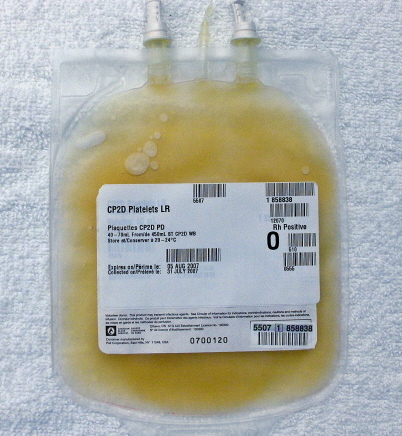
Single donor platelets
Single-donor platelets Apheresis platelets for low counts
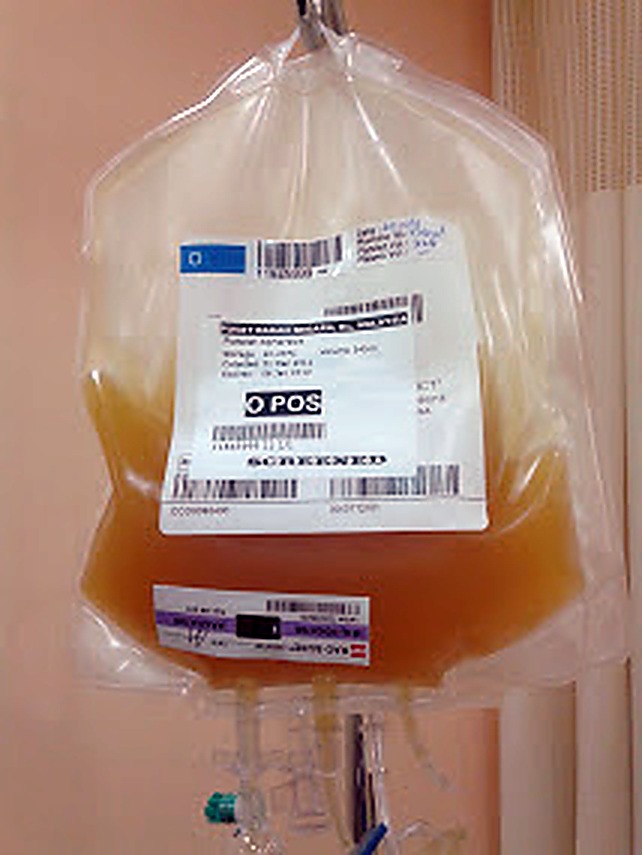
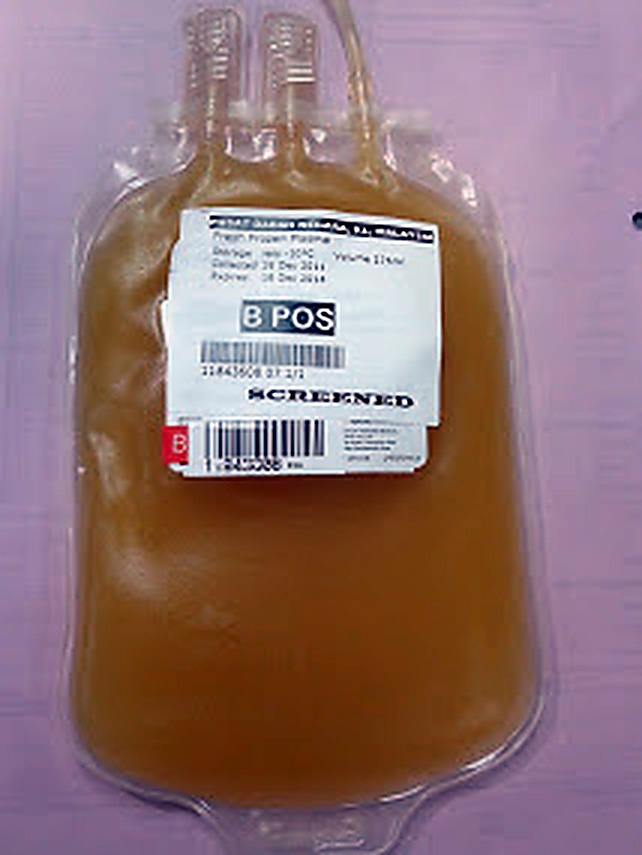
Fresh frozen plasma
Plasma (FFP) Fresh frozen plasma for clotting support
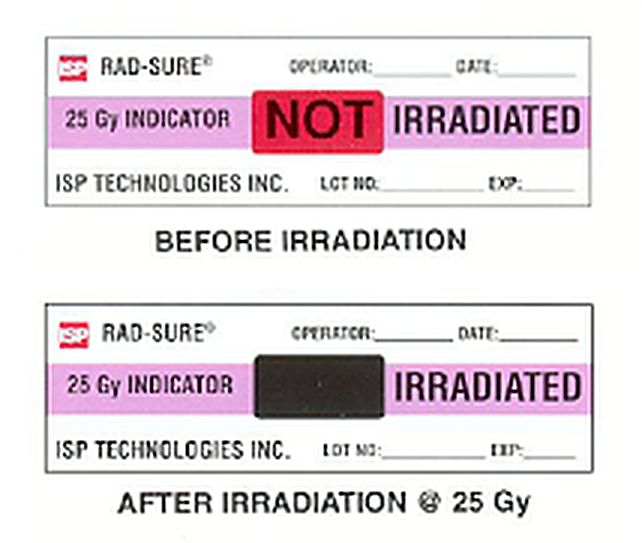
Blood irradiation
Irradiation Cellular components (e.g. RAD-SURE indicator)
Leucocyte filter
Leucocyte filter Reduces white cells in the unit
Platelet concentrate
Platelet concentrate Pooled or concentrated platelet product
Imaging & access

PET/CT Scan

How PET/CT works and when it is used in cancer staging and response assessment.

Imaging

How Does PET/CT Scan Work?

PET (positron emission tomography) combined with CT shows both metabolic activity and anatomy. A small amount of radioactive tracer (commonly a glucose analogue) is injected; areas of high metabolic activity — including many cancers — light up on the scan. CT provides precise anatomical mapping.

PET/CT is commonly used for staging lymphomas and some other cancers, and for assessing response after treatment. Your doctor will advise whether you need this scan.

  • Preparation may include fasting and resting quietly before the scan
  • The scan itself is painless; you lie still on a table that moves through the scanner
  • Results are interpreted together with your clinical history and other tests

See also: Lymphoma — PET/CT staging · Chemotherapy

Access

Central Lines & Delivery

Supportive care and chemotherapy may require reliable intravenous access:

  • Peripheral cannula — temporary vein access
  • PICC — enters arm vein, tip near the heart
  • Chemoport / Portacath — under the skin for repeated access
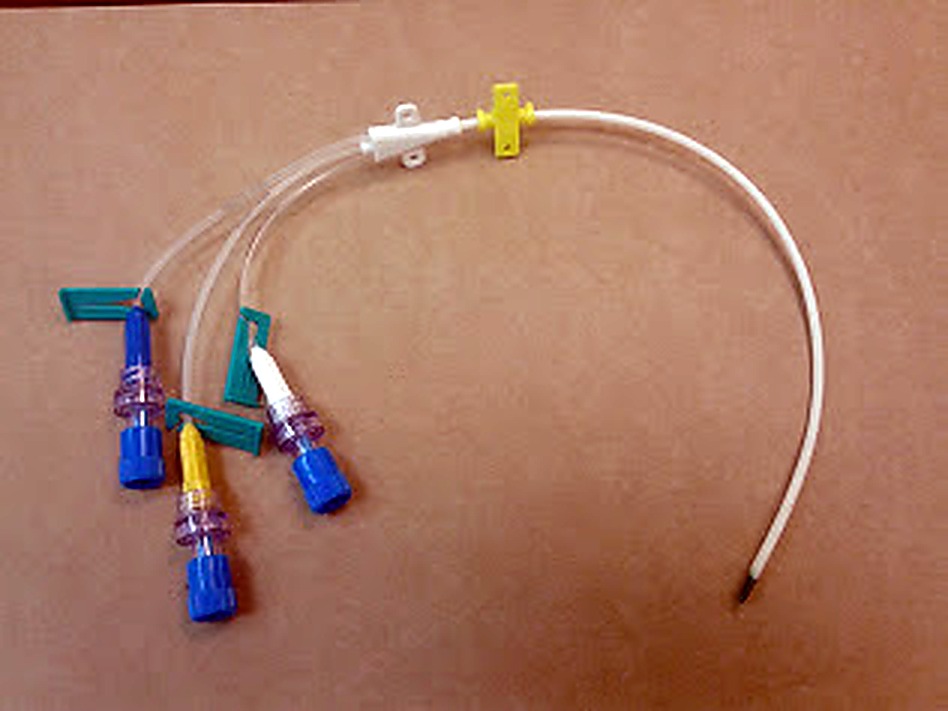
  • Central venous catheter (CVC) — for intensive therapy

Details and photos: Delivery of Chemotherapy

Chemotherapy access

Delivery of Chemotherapy

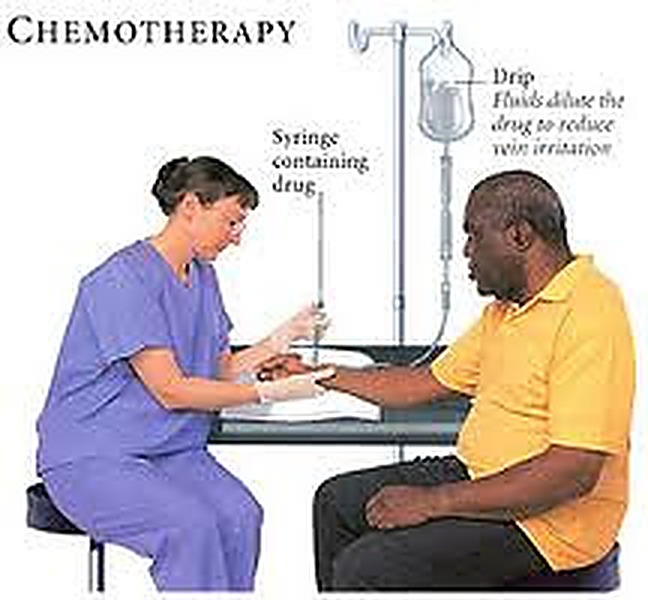
Chemotherapy medicines need a reliable way into your bloodstream. Three routes are commonly used. Which one you get depends on how long your treatment is, whether your veins are suitable, and whether the drug can irritate small veins.

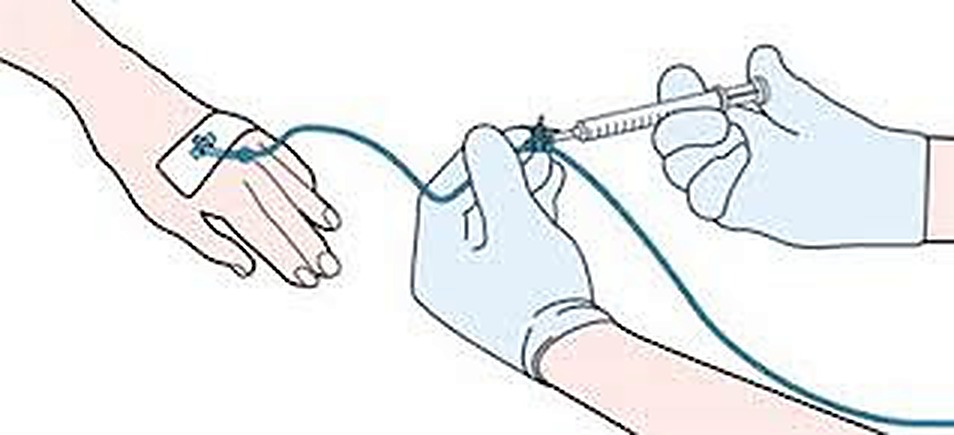
A cannula being placed into a vein in the back of the hand
Peripheral vein — a cannula into a vein in the hand or arm
A central venous catheter line in place
PICC line — through an arm vein, tip near the heart
An implanted chemotherapy port under the skin of the chest
Chemoport — a reservoir under the skin of the chest

The Chemoport in detail

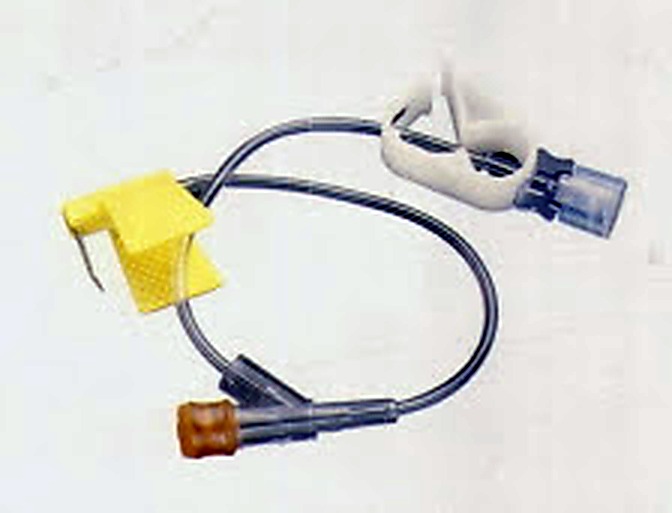
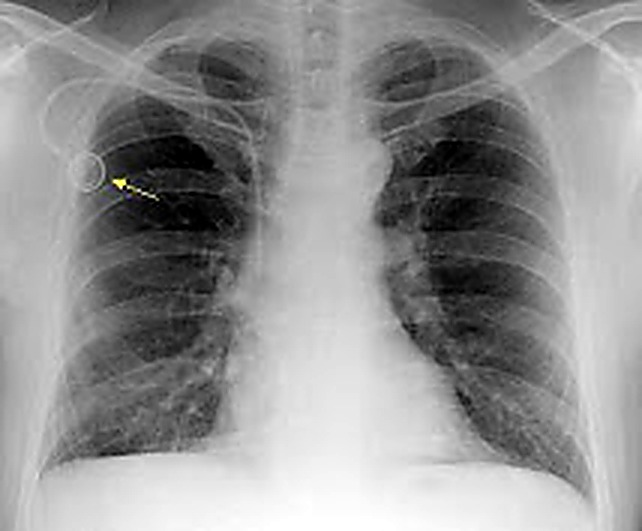
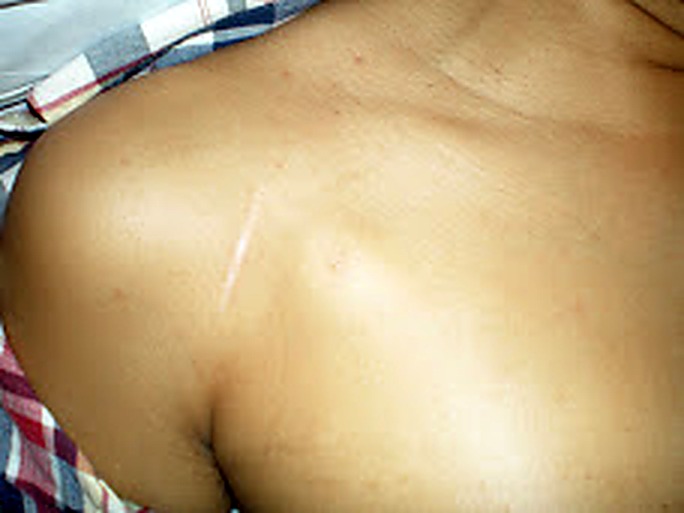
Three views of the same device: the port itself, an X-ray showing where it sits inside the chest, and the healed scar on the skin where it was placed.

The Chemoport itself: a small reservoir with a winged needle and a needleless connector A chest X-ray showing the port reservoir under the skin of the right upper chest, with the catheter running into a central vein The port site on the chest, showing the healed scar where the port was placed

Comparison at a glance

Each route is compared on when it is used, what it does, the problems it can cause, and how you look after it.

Comparison at a glance
Comparison point Peripheral vein (cannula) PICC line Chemoport (implanted port)
Indication — when it is used Short courses, or a single visit. Only when the veins are suitable and the drug does not irritate veins. Weeks to months of treatment, or when veins are small, fragile or already damaged. Placed at the bedside by a trained nurse — no operation needed. Long courses with repeated visits over months or years, or when infection and clot risk need to be kept as low as possible.
Effects — what it does A small plastic cannula goes into a vein in the hand or arm. It works straight away, but stays in place for only a few days. A thin tube is passed up an arm vein until its tip sits in the large vein near the heart, so the medicine is diluted quickly in a high-flow area. A small reservoir is placed under the skin of the chest and a tube runs from it into a central vein. A needle reaches the reservoir only when treatment is given.
Side effects and problems Pain or bruising where it sits. The vein can become inflamed (phlebitis). Fluid can leak into the surrounding tissue (extravasation), which may harm the skin if the drug is an irritant. Infection at the insertion site or in the bloodstream. A clot in the arm vein, or in the catheter, can block it. The tube can move out of position. Sore throat or neck discomfort during insertion. Infection. Clot or blockage. Pain and bruising while it is being put in. The reservoir can twist or the catheter can break. It needs a small operation to remove.
Care and maintenance Keep it clean and dry and leave the dressing on. A nurse removes it. Avoid heavy lifting with that arm. Wash hands before touching it. Keep the dressing dry and cover it when bathing. Weekly flush and dressing change. Use the other arm for blood tests and blood-pressure checks. No heavy lifting or strenuous sport with that arm. Wash hands before touching it. No dressing is needed when it is not in use. Flush every 4 to 6 weeks when not in use, and after every treatment. Cover it when swimming, and leave it alone.

When to contact the clinic

  • A temperature of 38°C or above, or feeling shivery and unwell
  • Redness, swelling, pain, warmth or discharge where the line enters the skin
  • An arm that swells, feels tight or becomes painful along the vein
  • Neck or shoulder pain, or pain when the line is flushed
  • A dressing that is loose, wet or has come away, or a port that feels moved

Your treating team will tell you the exact dressing and flushing schedule for your own line.

Medical disclaimer: Content on this website is for patient education only. It is not a substitute for professional medical advice, diagnosis, or treatment. Always consult your doctor about your individual condition.

Nutrition

Food Rich in Iron

When anaemia is present, iron-rich nutrition may help support recovery (alongside medical treatment decided by your doctor).

Nutrition guide

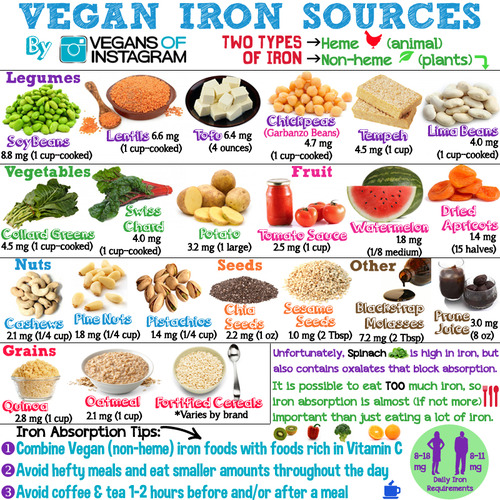
Two types of iron

Your body absorbs iron differently depending on the source. Knowing the difference helps you make smarter food choices while recovering.

Heme iron

From animal sources — better absorbed

Non-heme iron

From plants — pair with Vitamin C for better uptake

Plant (non-heme) iron sources

Approximate iron content of everyday plant foods. Non-heme iron is absorbed less efficiently than iron from meat, but pairing and timing make a real difference.

Approximate iron content of plant foods
Food Iron Portion
Soybeans8.8 mg1 cup cooked
Lentils6.6 mg1 cup cooked
Tofu6.4 mg4 ounces
Blackstrap molasses7.2 mg2 Tbsp
Chickpeas / garbanzo4.7 mg1 cup cooked
Tempeh4.5 mg1 cup
Lima beans4.5 mg1 cup cooked
Swiss chard4.0 mg1 cup cooked
Potato3.2 mg1 large
Watermelon3.0 mg1/8 medium
Prune juice3.0 mg8 oz
Quinoa2.8 mg1/2 cup cooked
Sesame seeds2.6 mg2 Tbsp
Tomato sauce2.5 mg1 cup
Collard greens2.2 mg1 cup cooked
Cashews2.1 mg1/4 cup
Chia seeds2.1 mg2 Tbsp
Oatmeal2.1 mg1/2 cup cooked
Hemp seeds2.0 mg2 Tbsp
Pine nuts1.6 mg1/4 cup
Dried apricots1.4 mg15 halves
Pistachios1.2 mg1/4 cup
Fortified cerealsvaries by brand1 cup

Daily iron requirements

  • 8 mgMen aged 19–50
  • 18 mgWomen aged 19–50
  • 27 mgPregnancy

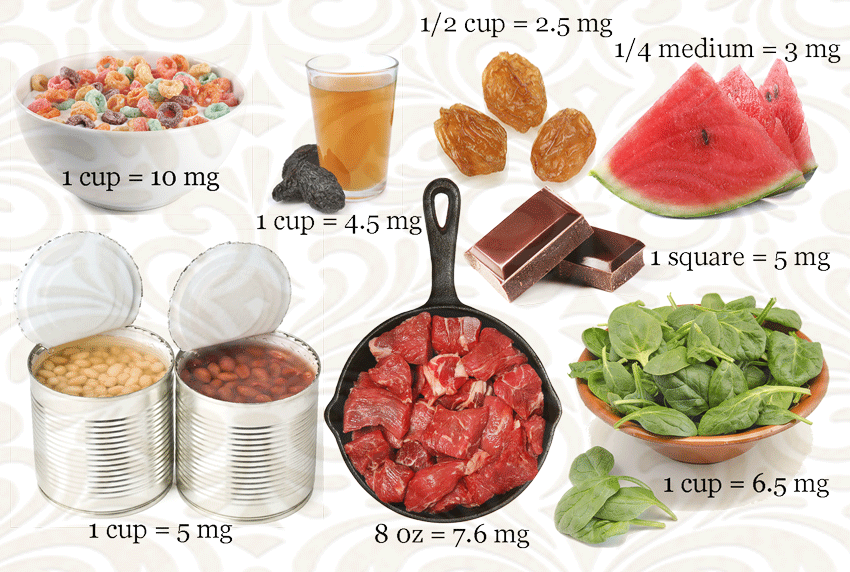
For visual comparison

  • 1 cup fortified cereal = 10 mg of iron
  • 1 cup = 4.5 mg
  • 1/2 cup = 2.5 mg
  • 8 oz = 7.6 mg
  • 1/4 medium = 3 mg
  • 1 square of dark chocolate = 5 mg

Absorption tips

Combine non-heme iron with Vitamin C (citrus, tomato, peppers)

Avoid coffee and tea 1–2 hours before and after iron-rich meals

Ask your doctor before taking iron supplements during active treatment

Ask your doctor before taking iron supplements during active treatment

Iron rich foods plate
Iron-rich plate Everyday foods that support healthy iron intake
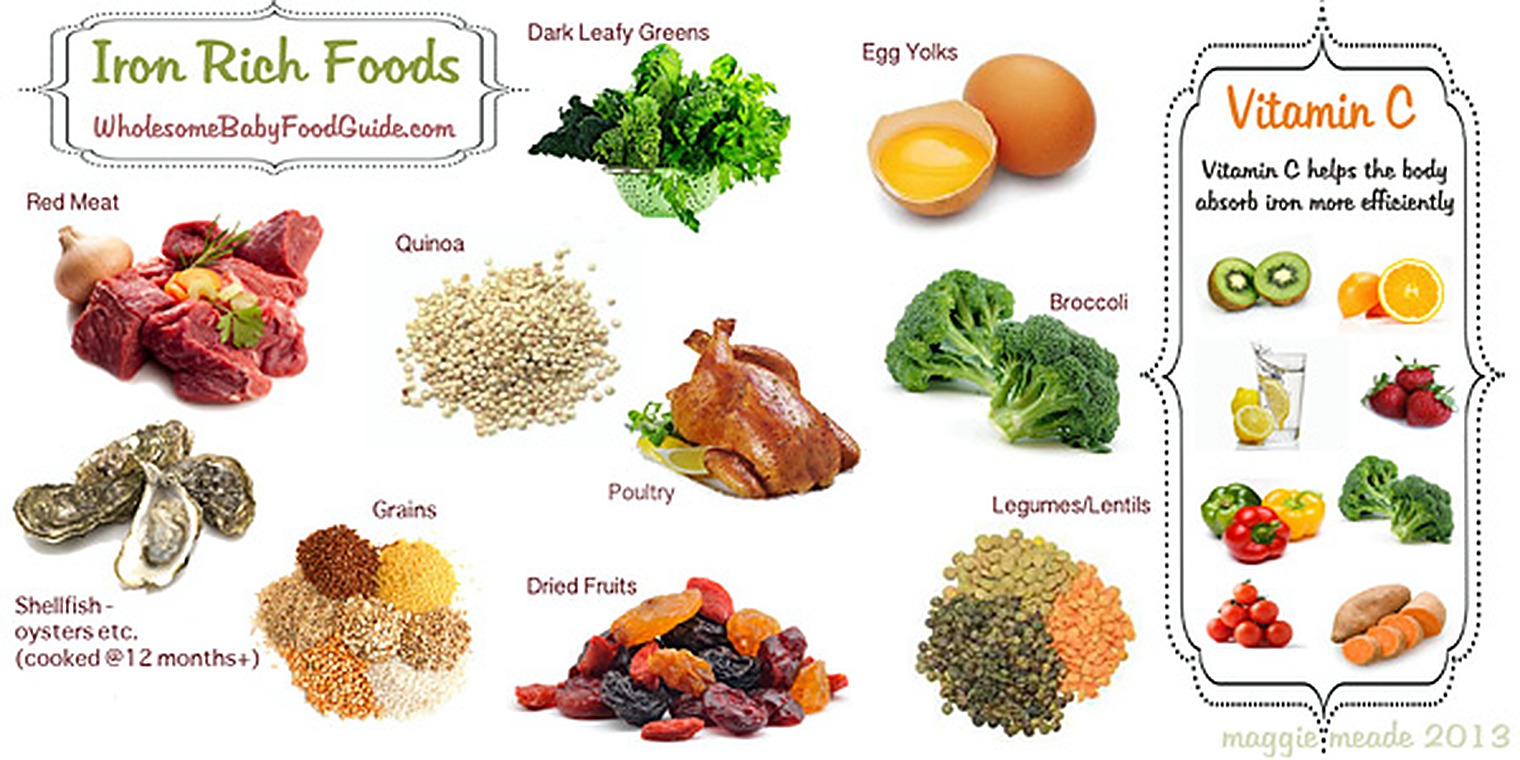
Iron rich foods chart
Food sources chart Reference guide to higher-iron options
Plant-based iron sources
Plant-based sources Non-heme iron from vegetables, legumes and grains

Medical disclaimer: Content on this website is for patient education only. It is not a substitute for professional medical advice, diagnosis, or treatment. Always consult your doctor about your individual condition.