Patient Education & Leaflets
Free leaflets you can download, print and take to your appointments — plus the reference tables and diagrams used to explain things in clinic.
Patient education
Patient leaflets
Each leaflet is a PDF you can open, read, and print or save. There is no charge and no registration. Printed copies are also available at the clinic reception — please ask.
-
Procedure
Bone Marrow Examination
What it is, why you need it, pain relief, aftercare and how long the report takes.
4 pages -
Urgent
Neutropenia & Fever
Why a temperature of 38.5°C is an emergency, and how to prevent infection.
4 pages -
Condition
Low Platelets & ITP
Platelet counts, bleeding warning signs, and the treatments available.
4 pages -
Diet
Neutropenic Diet
Food hygiene rules and an avoid-versus-safer-choice table for every food group.
4 pages -
Treatment
Chemotherapy & Side Effects
Nausea, tiredness, mouth ulcers, hair loss and the three blood-count problems.
4 pages -
Procedure
Stem Cell Transplant Guide
The five transplant steps, engraftment, GVHD and a self-care checklist.
4 pages -
Condition
Multiple Myeloma
Symptoms, staging systems, investigations and supportive care.
4 pages -
Inherited
Thalassaemia & Hb E
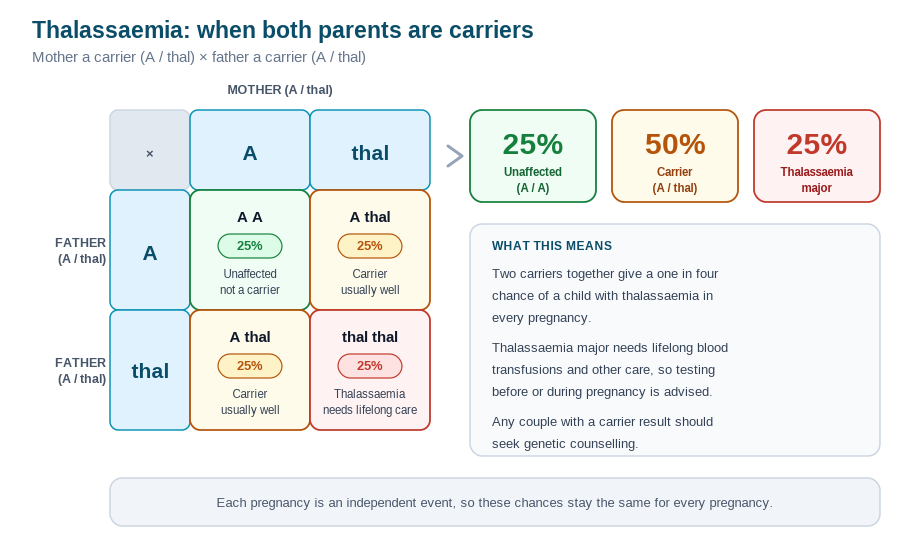
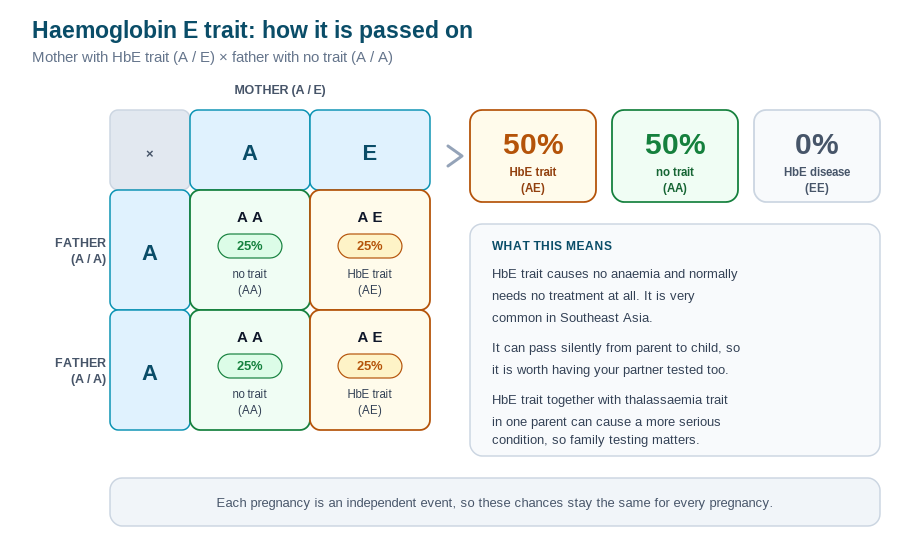
Inheritance, Malaysian carrier rates, the classification tables and treatment.
4 pages
Printing a page from this website
Every page on this website is set up to print cleanly: the menus and buttons are removed, the tables expand to the full width of the paper, and callout boxes stay visible. So if the information you need is on a website page rather than in a leaflet, you can simply print that page.
- Use your browser's Print command (Ctrl+P on Windows and Linux, Cmd+P on Mac).
- Set the paper size to A4 and margins to Default.
- Keep Background graphics switched on — the tables and warning boxes are shaded so they are easy to read on paper.
- Choose Save as PDF if you would rather keep it on your phone than print it.
To print a whole topic, use the sidebar: Bone Marrow Examination, Chemotherapy, Neutropenia, Neutropenic Diet, Low Platelet / ITP, Thalassaemia, Stem Cell Transplant, and CAR-T / MSC each print as a self-contained handout.
Helpful things to write down before you come
- All the medicines you take, with doses — including anything bought from a pharmacy or herbal remedies
- Every blood test result you have had, with the dates
- Any allergies, and what reaction you had
- Any new symptoms, and when they started
- Your questions — write them down as you think of them, so nothing is forgotten in the room
Diagrams
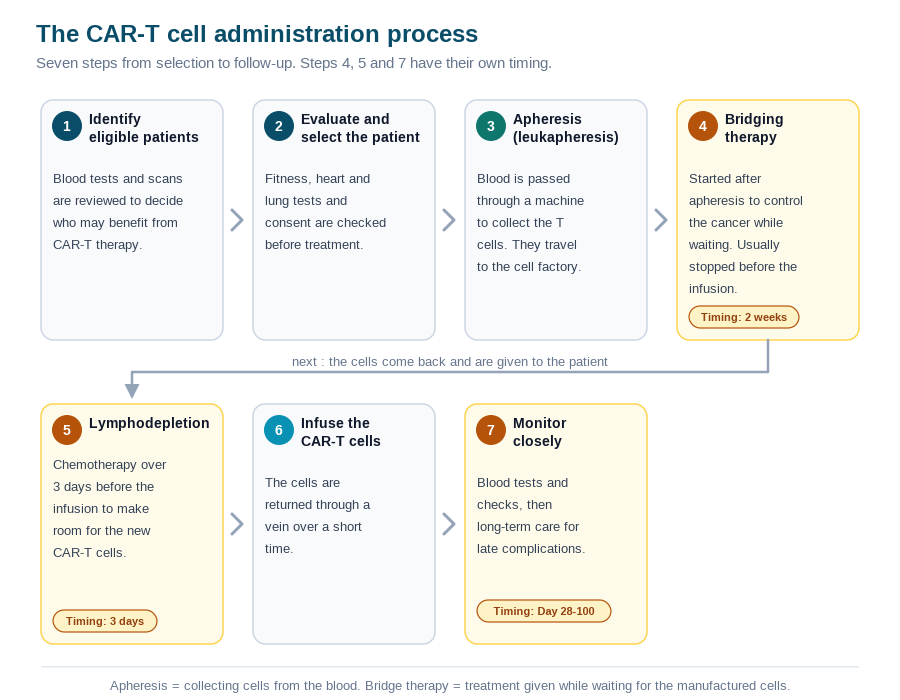
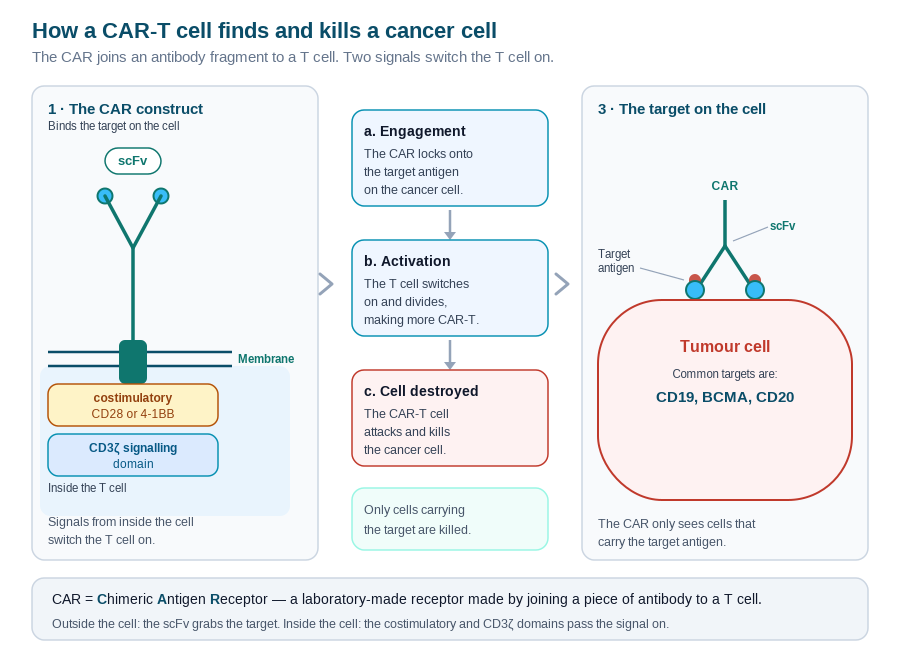
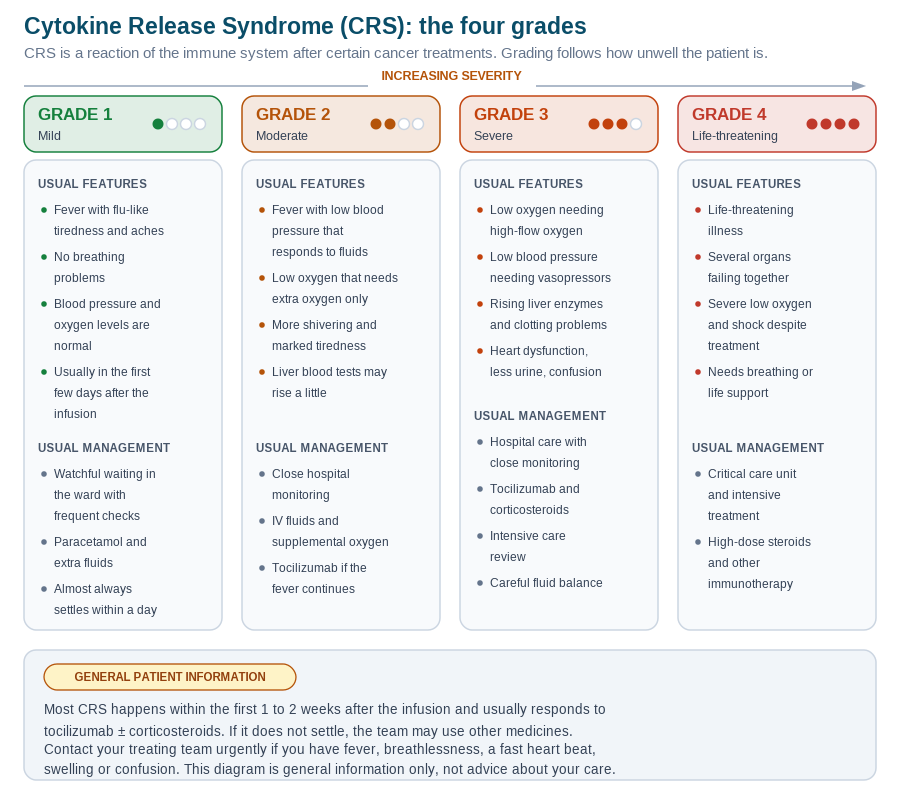
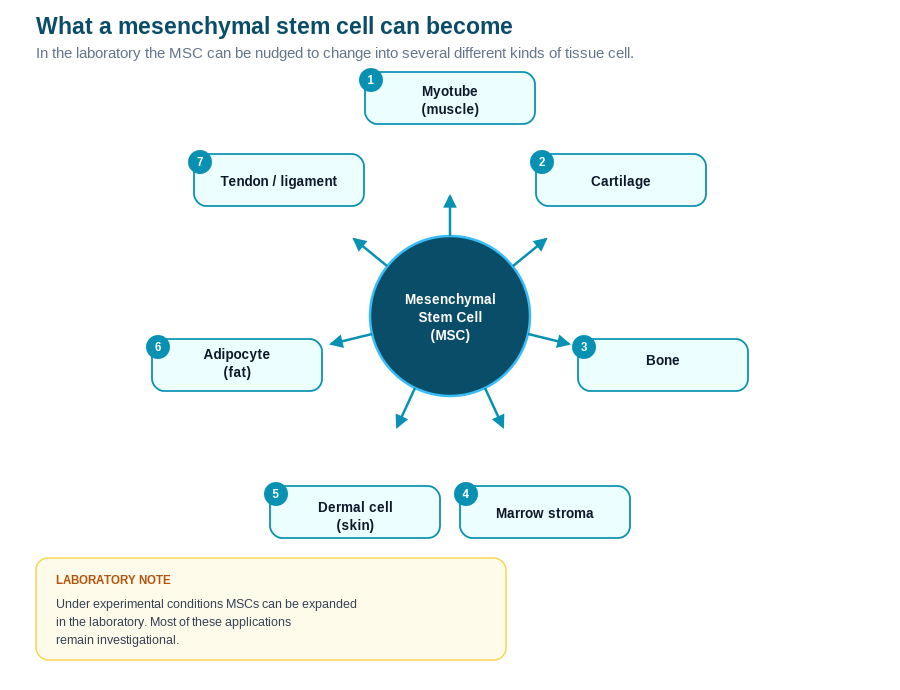
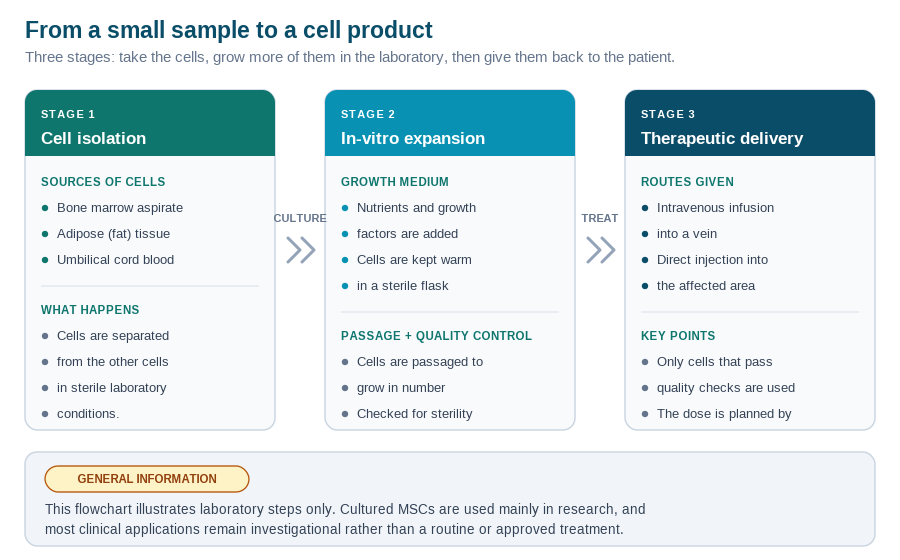
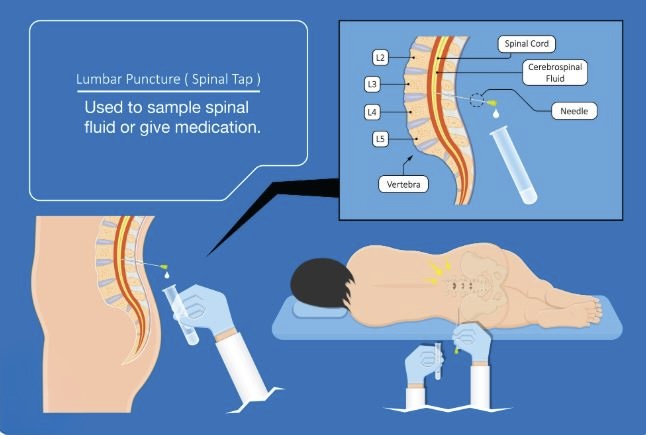
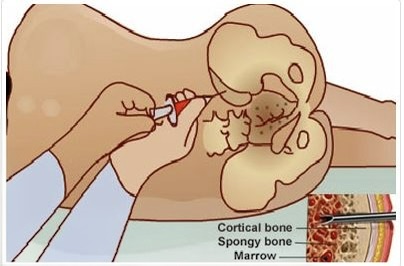
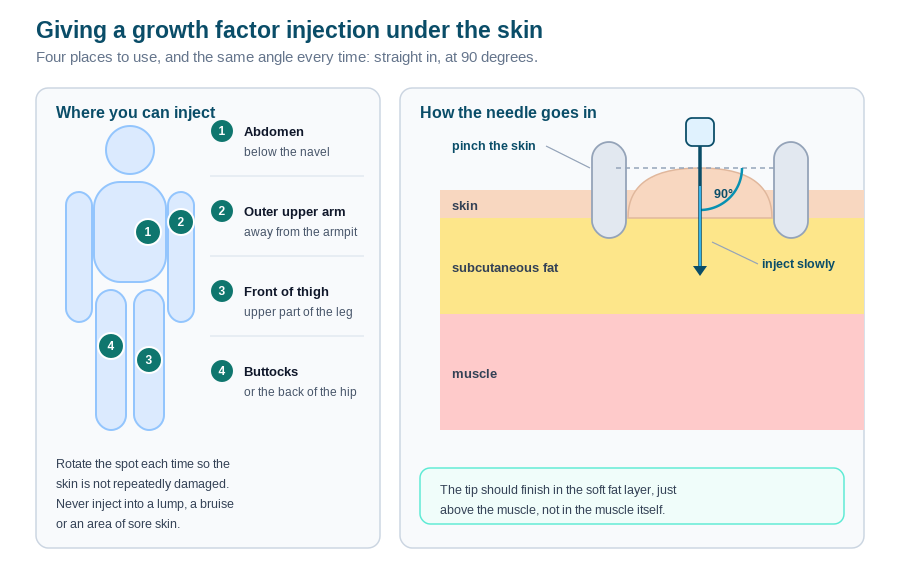
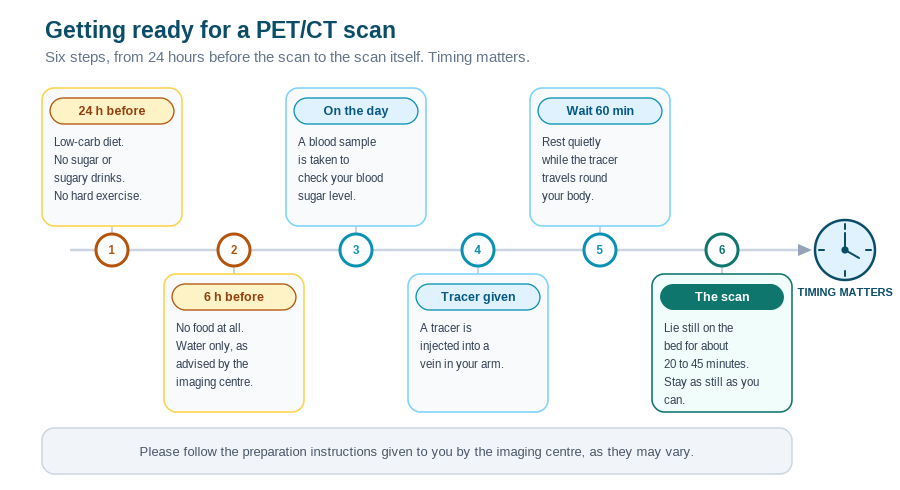
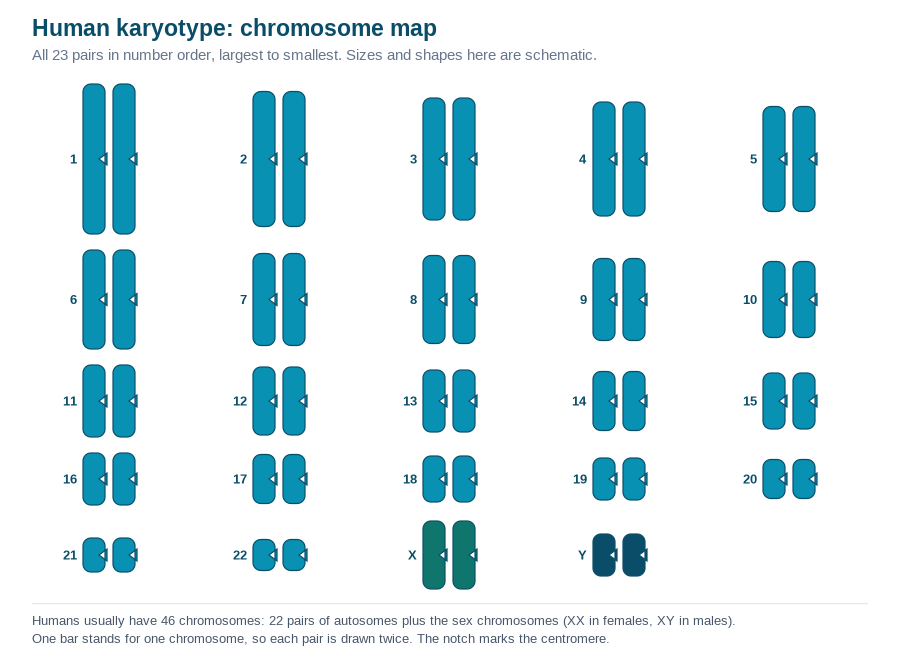
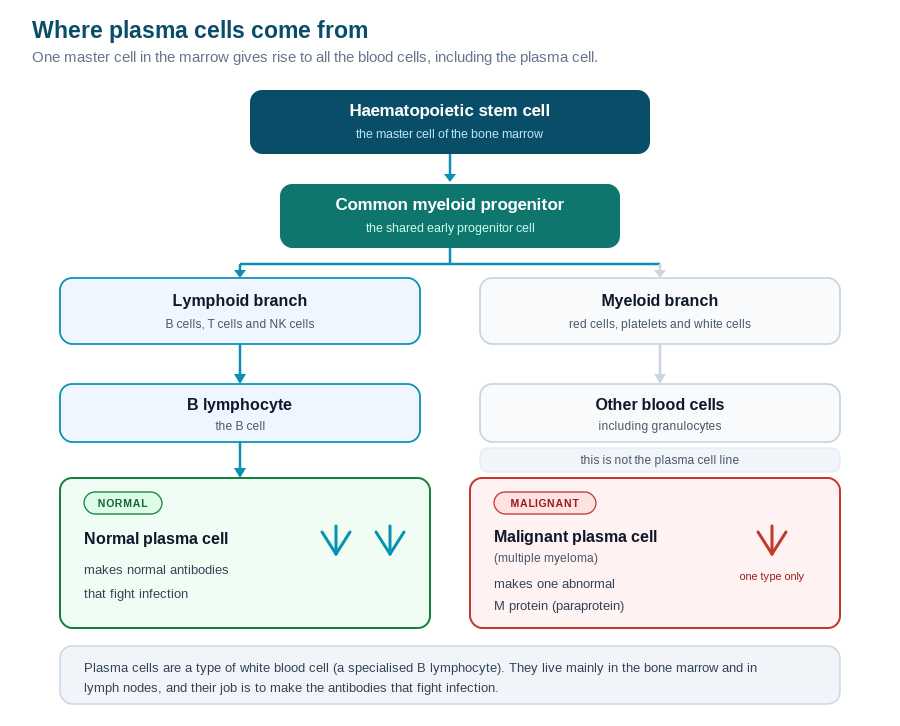
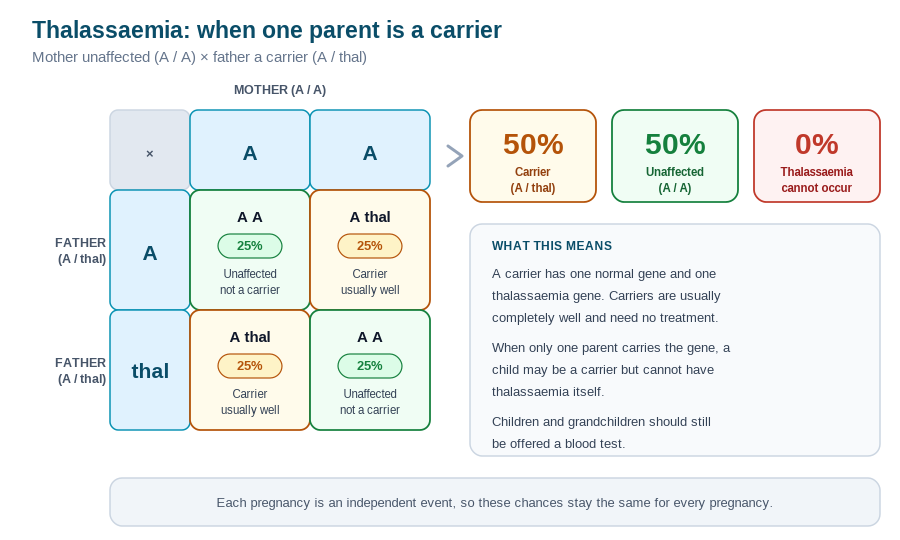
Diagrams used in clinic
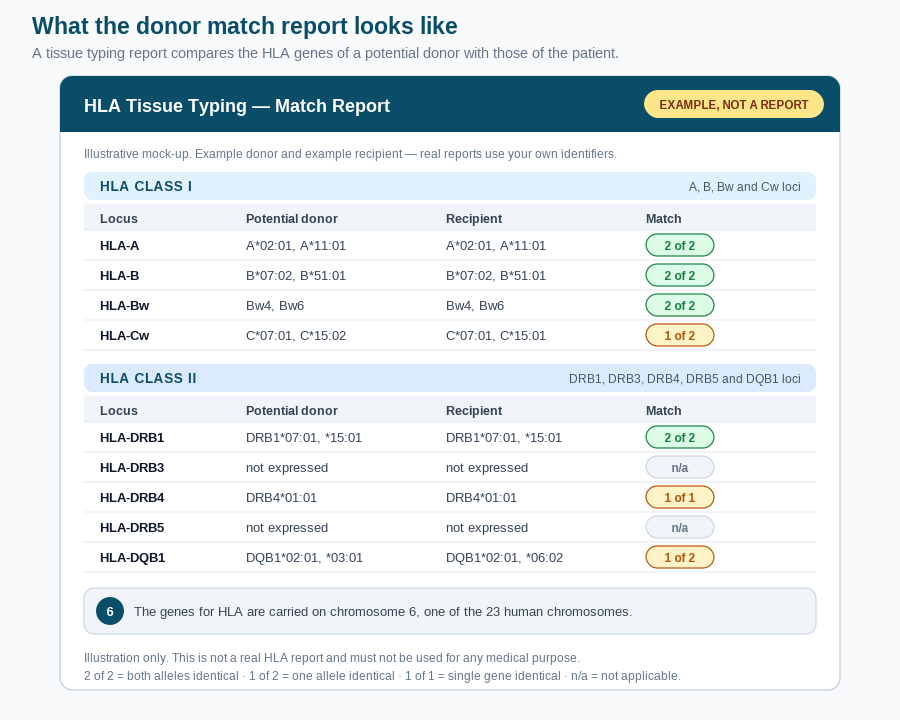
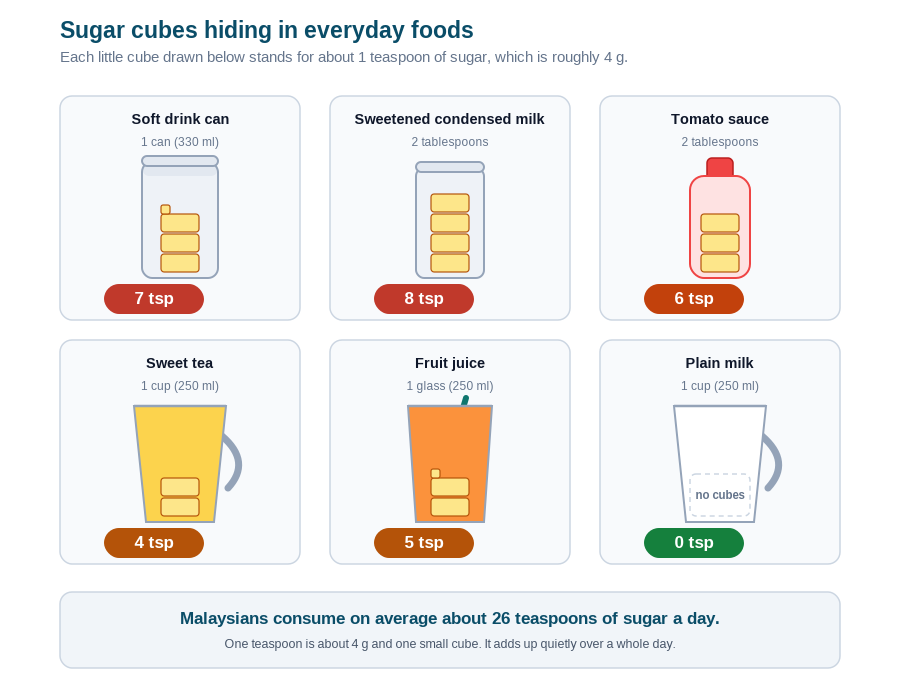
These are drawn as vector graphics, so they stay sharp at any size. Click any diagram to open it full size, and print it if it helps you remember.
Quick reference
Reference tables at a glance
The tables most often asked about, gathered in one place. Each links to the full explanation on the relevant page.
Severity of neutropenia
| Neutrophil count (cells/µL) | Risk of infection |
|---|---|
| < 500significant neutropenia | High risk — significant measures required |
| 500–1000moderate neutropenia | Moderate risk — sufficient measures required |
| 1000–1500mild neutropenia | Slightly increased risk — certain measures required |
Platelet counts
- 150,000–400,000/µLNormal range
- < 10,000–20,000/µLSevere ITP
- > 30,000/µLRelatively safe — usually high enough to protect against bleeding in the brain in most cases
- 5–7 daysPlatelet lifespan
Bone marrow report turn-around times
- 2–7 daysMorphology tests: ~ 2–7 days
- 5–7 daysFISH analysis: 5–7 days
- 2–3 weeksCytogenetics: ~ 2–3 weeks
Acute leukaemia cases are prioritised, and arranged as soon as possible.
Type 2 diabetes targets
| Parameter | Target |
|---|---|
| Fasting | 4.4 – 6.1 mmol/L |
| Non-fasting | 4.4 – 8.0 mmol/L |
| HbA1c | < 6.5% |
| Triglycerides | ≤ 1.7 mmol/L |
| HDL cholesterol | ≥ 1.1 mmol/L |
| LDL cholesterol | ≤ 2.6 mmol/L |
| Exercise | 150 min/week |
Malaysian thalassaemia carrier rates
- 1.8–7.5%alpha-thalassaemia
- 3–5%beta-thalassaemia
- 5–46%Haemoglobin E
Source: The Malaysian Thalassaemia Registry, 2009. In Asia, up to 1 in 7 people are estimated to be carriers of some form of thalassaemia.
Keep in mind
Key numbers worth remembering
| Figure | Value | What it means |
|---|---|---|
| Neutropenic fever threshold | 38.5°C | Any temperature at or above this in a neutropenic patient must be treated as an emergency |
| Neutrophils as a share of white cells | 45–75% | Used with the total white cell count to calculate the ANC |
| Platelet lifespan | 5–7 days | Why the count can fall quickly |
| Platelet transfusion threshold in severe ITP | < 10,000–20,000/µL | The range in which severe bleeding risk is highest |
| Fluid intake during chemotherapy | ≥ 2 litres/day | For tiredness; more than 3 litres (8 glasses) if mouth ulcers develop |
| Hair colouring and perming after chemotherapy | ≥ 6 months | Hair is still weak for about six months after treatment ends |
| Engraftment after stem cell transplant | 15–21 days | Time for the new cells to grow in the marrow; may be longer in some patients |
| Hospital stay for a transplant | 8–10 days + ~3 weeks | Before the transplant, and after it |
| Sibling chance of an identical tissue match | 1 in 4 | For an allogeneic transplant; more siblings means a higher chance |
| Transfusion frequency, thalassaemia major | 3–4 weekly | Usually lifelong, with iron chelation as well |
| Splenectomy sustained long-term response in ITP | ~66% | Short-term complications about 12.9% |
| Average daily sugar consumption in Malaysia | ~26 tsp | Malaysia is among the highest sugar users in the world |
Safety
When to get urgent help
Go to the clinic or emergency department
- A temperature of 38.5°C or above at any time, especially during or shortly after chemotherapy
- Bleeding that will not stop, blood in the vomit, blood in the urine, or black tarry stools
- Sudden severe headache, drowsiness, confusion, blurred vision, or weakness on one side
- Severe shortness of breath, chest pain, or sudden swelling of the face or throat
- Many small red spots or bruises appearing suddenly, with no injury
- A painful, swollen calf, or sudden breathlessness after a long journey
Contact your doctor or your treating team, or go to the nearest emergency department.
Contact the clinic if
- A side effect is worrying you, even if you are not sure it is serious
- You run out of a medicine, or you cannot remember how to take it
- A medicine you were given from another doctor affects your blood count
- You are travelling, and need a letter for your injections or medication
- You need a medical report for insurance, EPF withdrawal or disability aid
- You would like a printed copy of any leaflet on this page
Clinic hours: Monday to Friday 8:30am–5:00pm, Saturday 8:30am–12:30pm. Wednesday and Friday afternoons are closed except by appointment.
Medical disclaimer: Content on this website is for patient education only. It is not a substitute for professional medical advice, diagnosis, or treatment. Always consult your doctor about your individual condition.